Pansea Beach, Phuket, Thailand
No reception desk. No check-in counter. Just a quiet path through ancient coconut groves leading straight to the Andaman Sea, where each pavilion stands apart like a private home rather than a hotel room. This is where the idea of minimalist luxury — later shaping an entire global ultra-luxury category — first took form. This is Amanpuri, in Phuket, Thailand: Aman’s first resort, and the birthplace of an entire philosophy of hospitality.
Opening Year 1988 • Units 84 • From 39,300,000 VND/night • Rating 5/5
Prices shown in VND are for reference only and may change without notice.
Architecture & Design
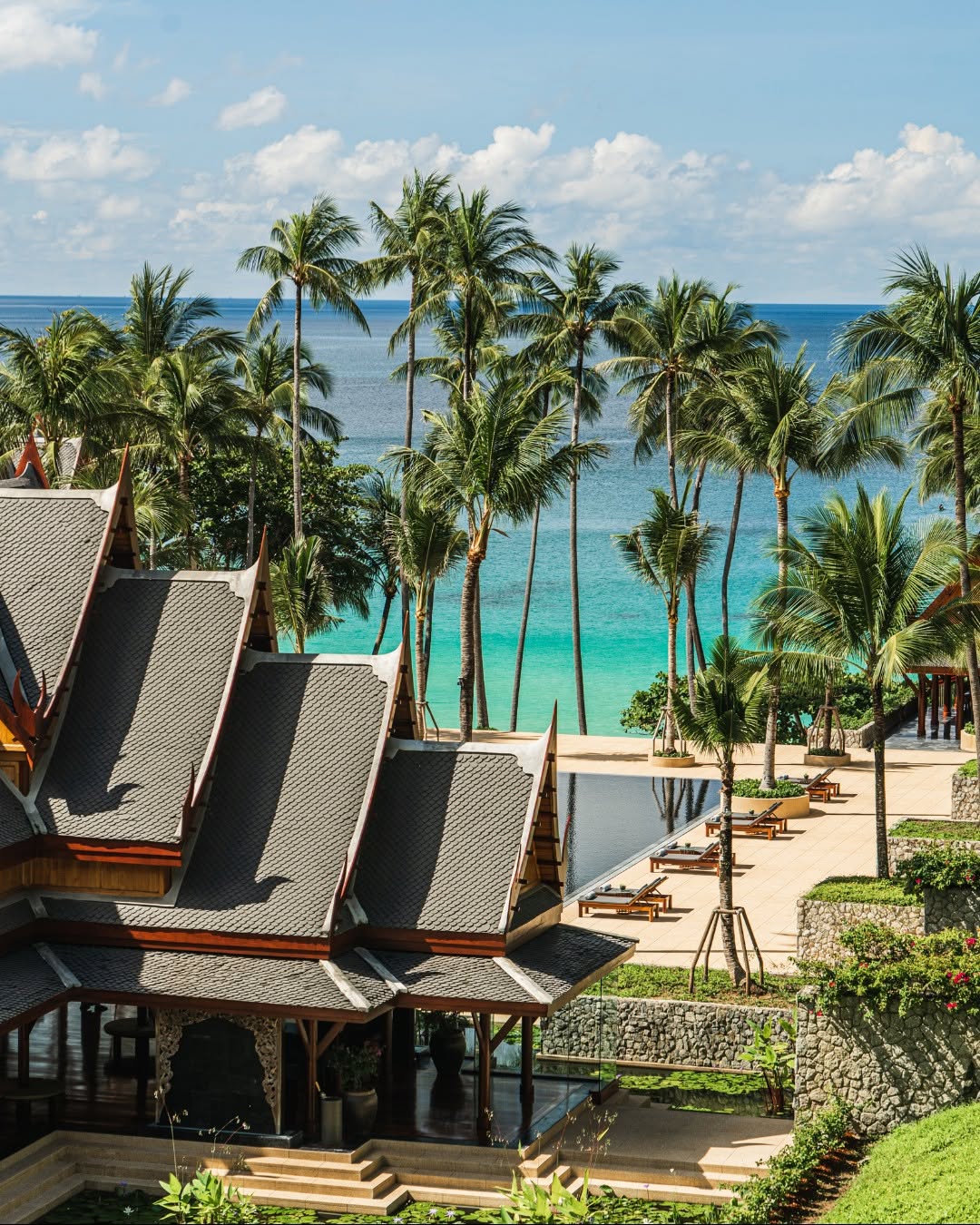
The story begins in the mid-1980s, when businessman Adrian Zecha was simply looking for a piece of land in Phuket to build a personal holiday home. After discovering a coconut plantation overlooking the Andaman Sea, the idea grew into a small resort, self-funded by Zecha, his partner Anil Thadani, and a handful of friends — no bank would lend against a room count far smaller than a typical hotel.
Amanpuri opened in 1988 at a construction cost of roughly USD 4 million, designed by American architect Ed Tuttle, who drew inspiration from the ancient temple architecture of Thailand’s former royal capital, Ayutthaya. The name “Amanpuri” means “place of peace” in Sanskrit — and that philosophy of peace and absolute privacy became the template for more than 30 Aman resorts that followed. Amanpuri doesn’t try to impress through scale or elaborate amenities, but through the deliberate absence of anything superfluous.
Atmosphere
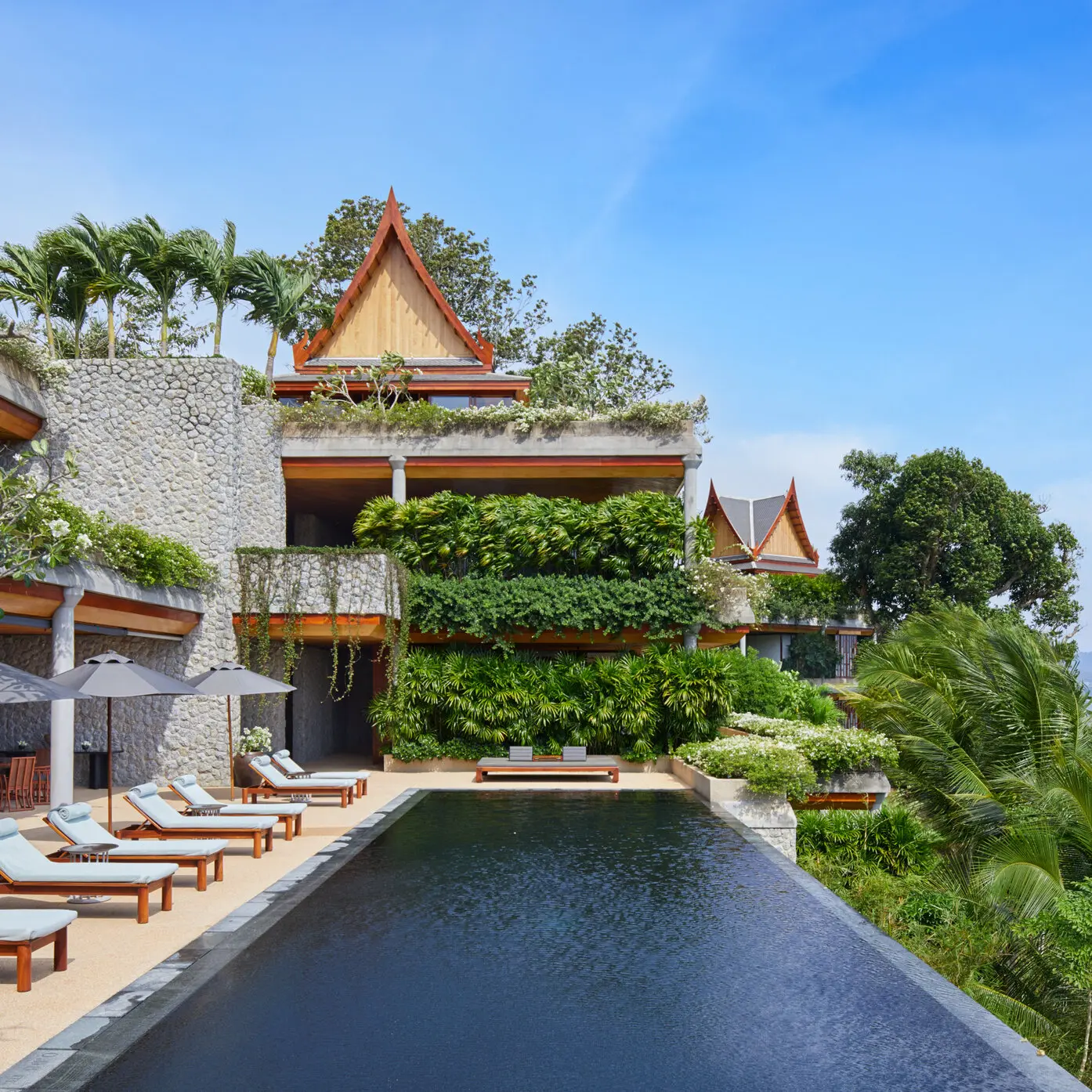
The estate now comprises 84 units, split between standalone pavilions and multi-bedroom villas with private pools, spread across a private headland wrapped around Pansea Beach — regarded as one of Phuket’s most beautiful stretches of sand. The main area was completed in 1988, with villas added in 1992 and 1994, all preserving the original Thai architectural spirit through multiple rounds of interior refreshment.
Rooms & Suites
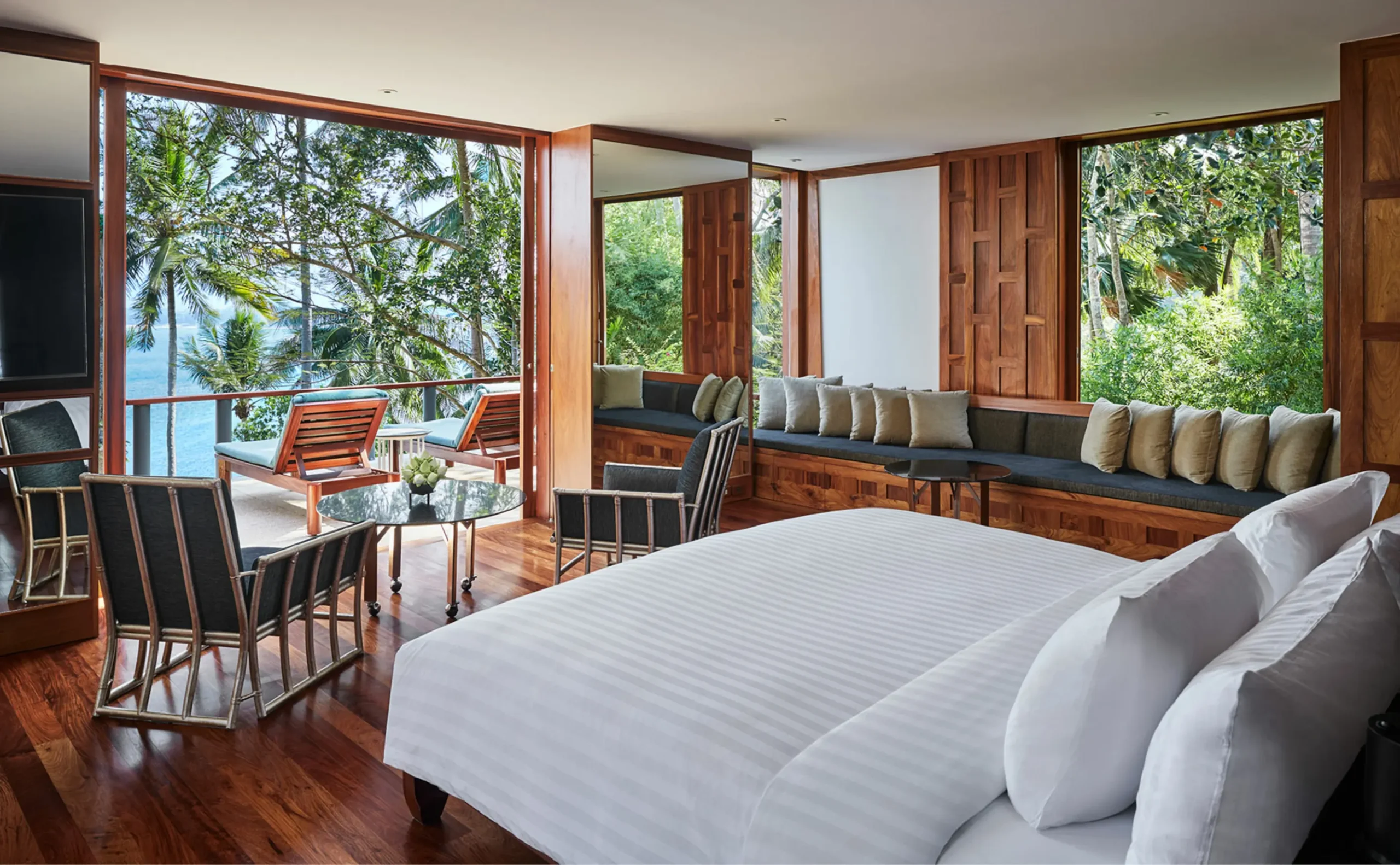
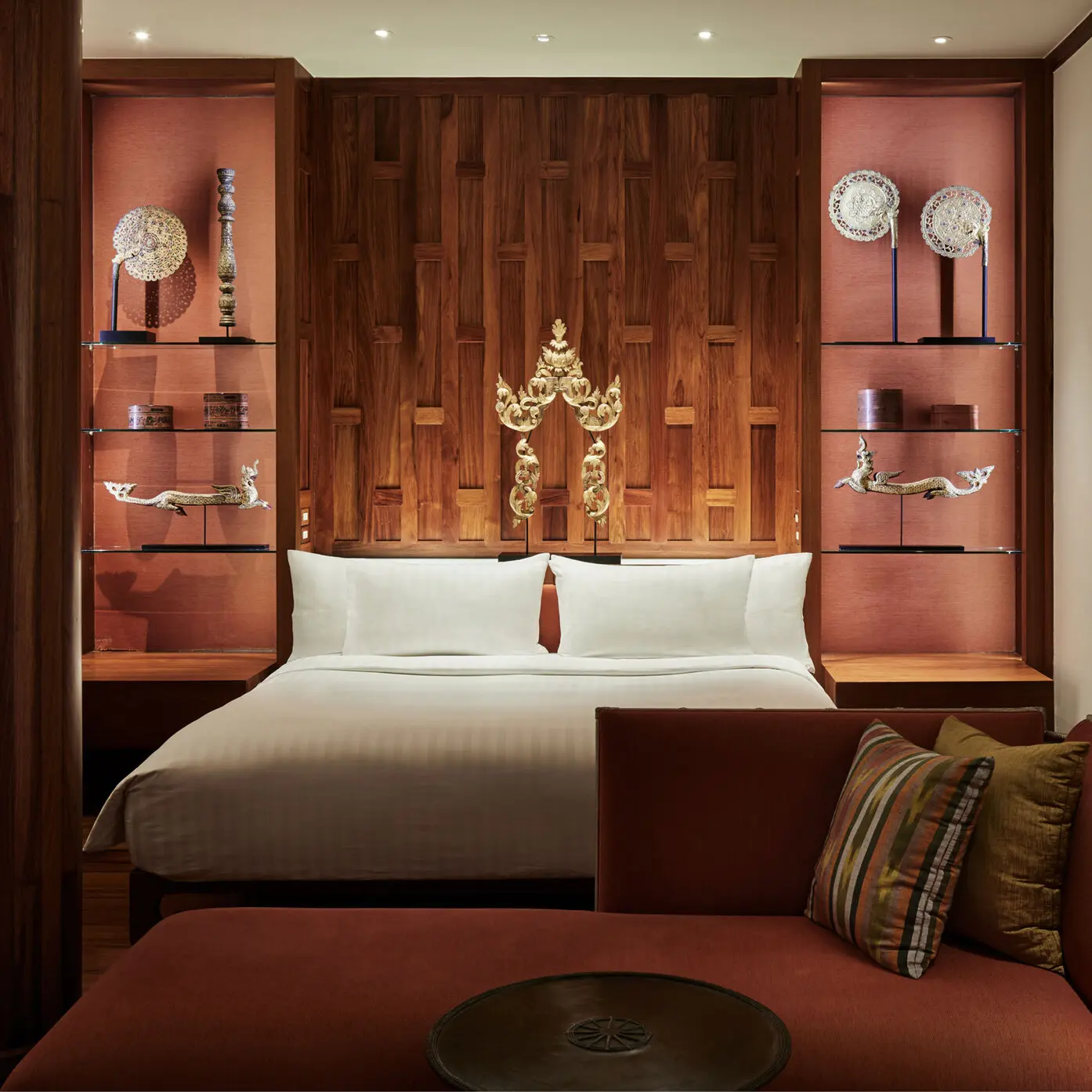
Every stateroom at Amanpuri is a pavilion or villa, never a conventional hotel room. Multi-bedroom villas range from approximately 91,700,000 to 209,600,000 VND per night depending on bedroom count and season, while pavilions start from 39,300,000 VND per night. Interiors favour warm timber, Thai silk and hand-selected antiques over overt branding.
Dining
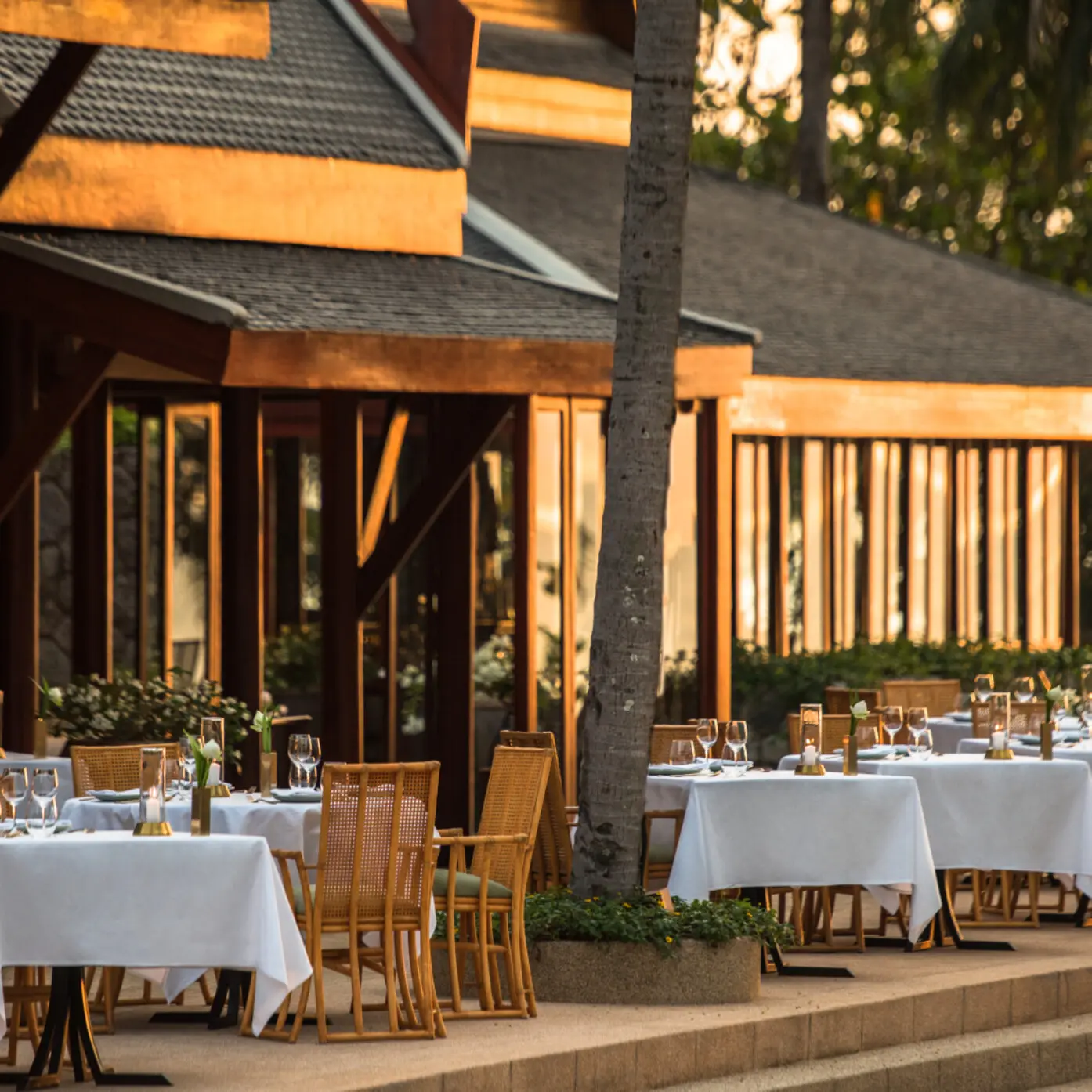
Amanpuri has three main restaurants, each with its own culinary story. Buabok, right by the main pool, serves Southern Thai cuisine throughout the day, best known for its traditional crab curry. Arva channels rustic Italian spirit under chef Stefano Artosin, prioritising local organic ingredients — fish caught daily from Bangtao fishing village, free-range chicken from Phang Nga. Akari, a UNESCO-recognised washoku-style Japanese restaurant, sits right by the beach and is the choice for a romantic dinner as the sun sets over the Andaman Sea.
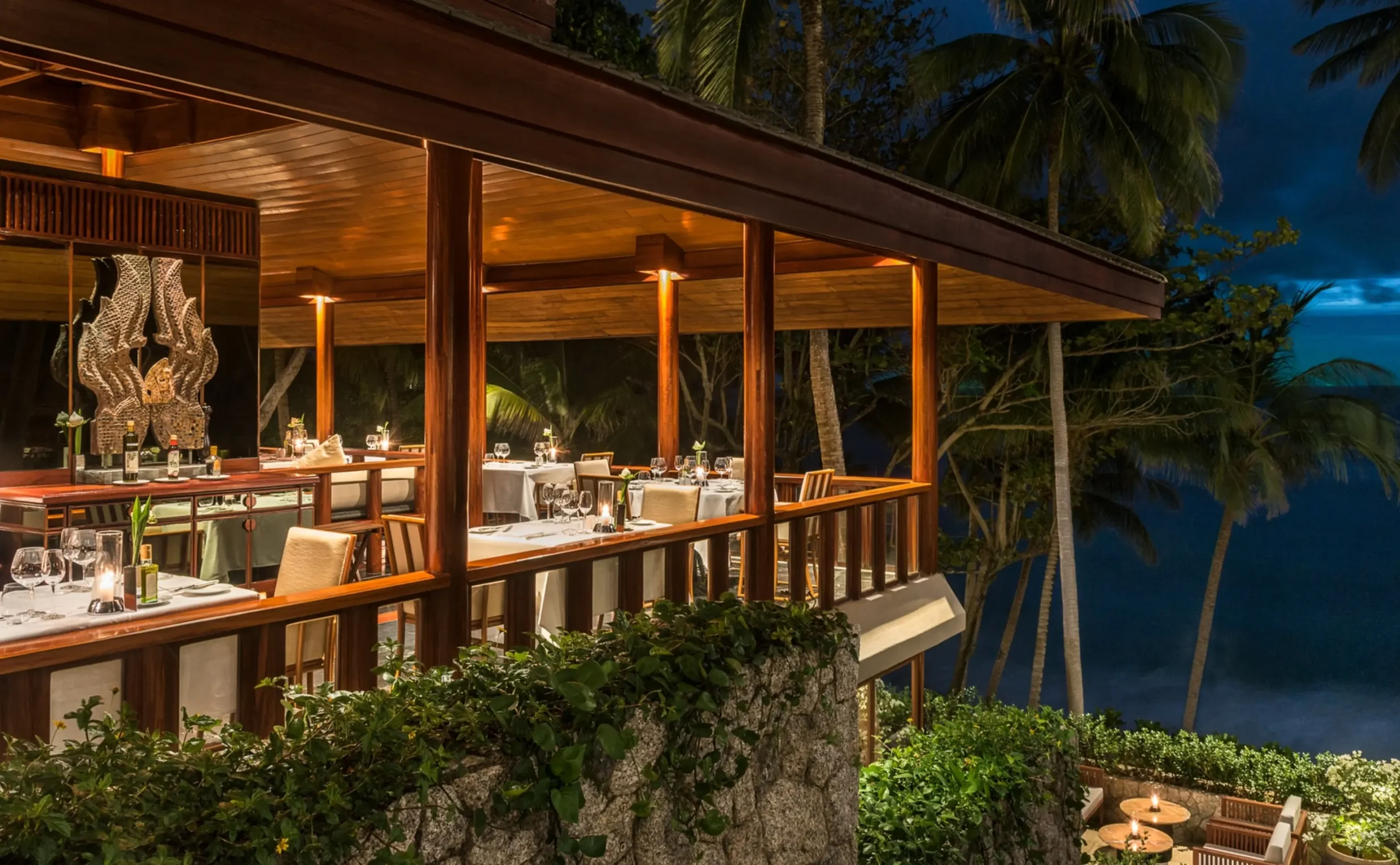
All three restaurants reopened in mid-August 2026 following their annual renovation period, which typically runs from May — worth noting if you are planning an upcoming trip.
Wellness
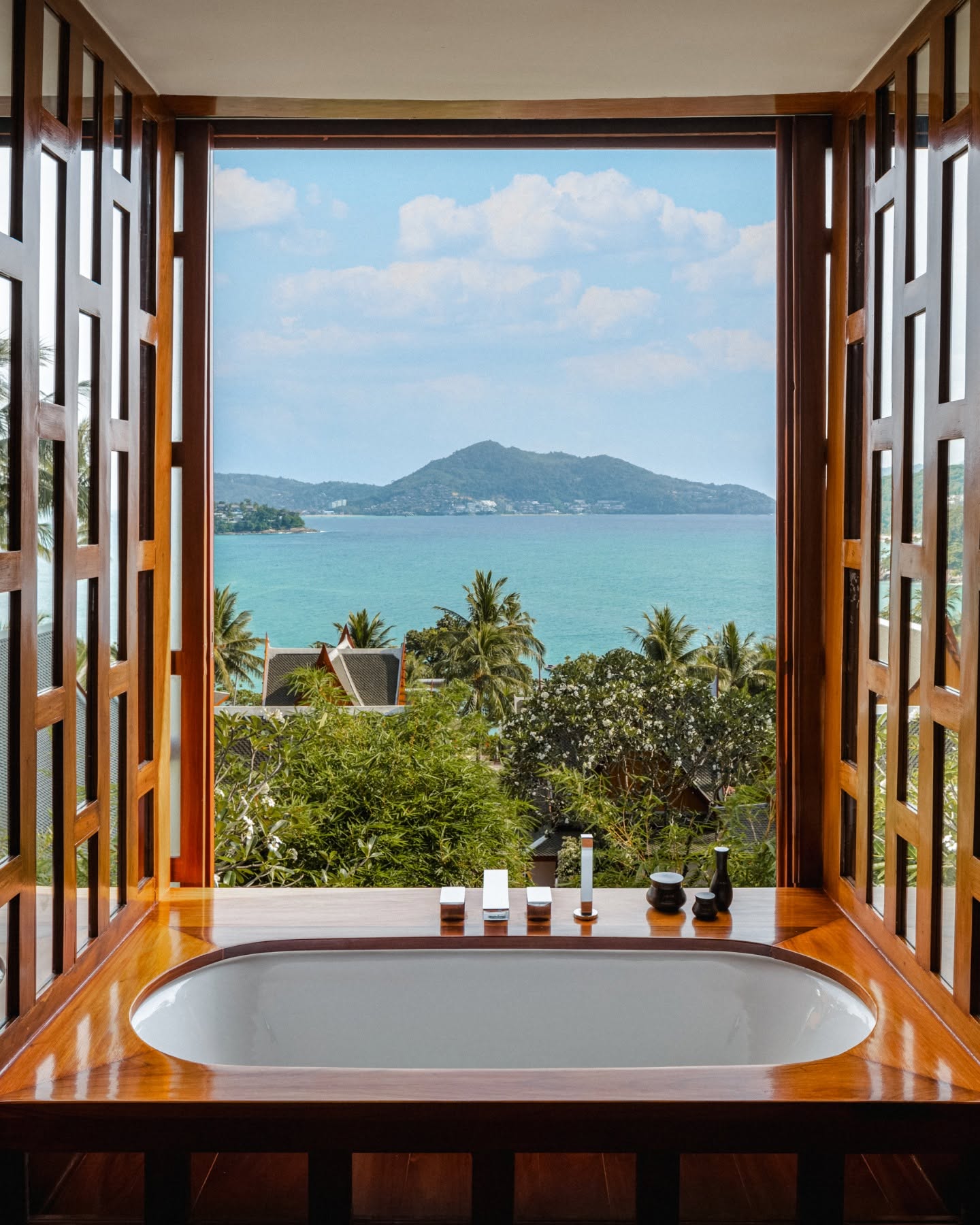
Aman Spa, set on a hillside overlooking the sea, is a familiar stop for guests, offering treatments that blend Eastern and Western therapeutic traditions.
Experiences
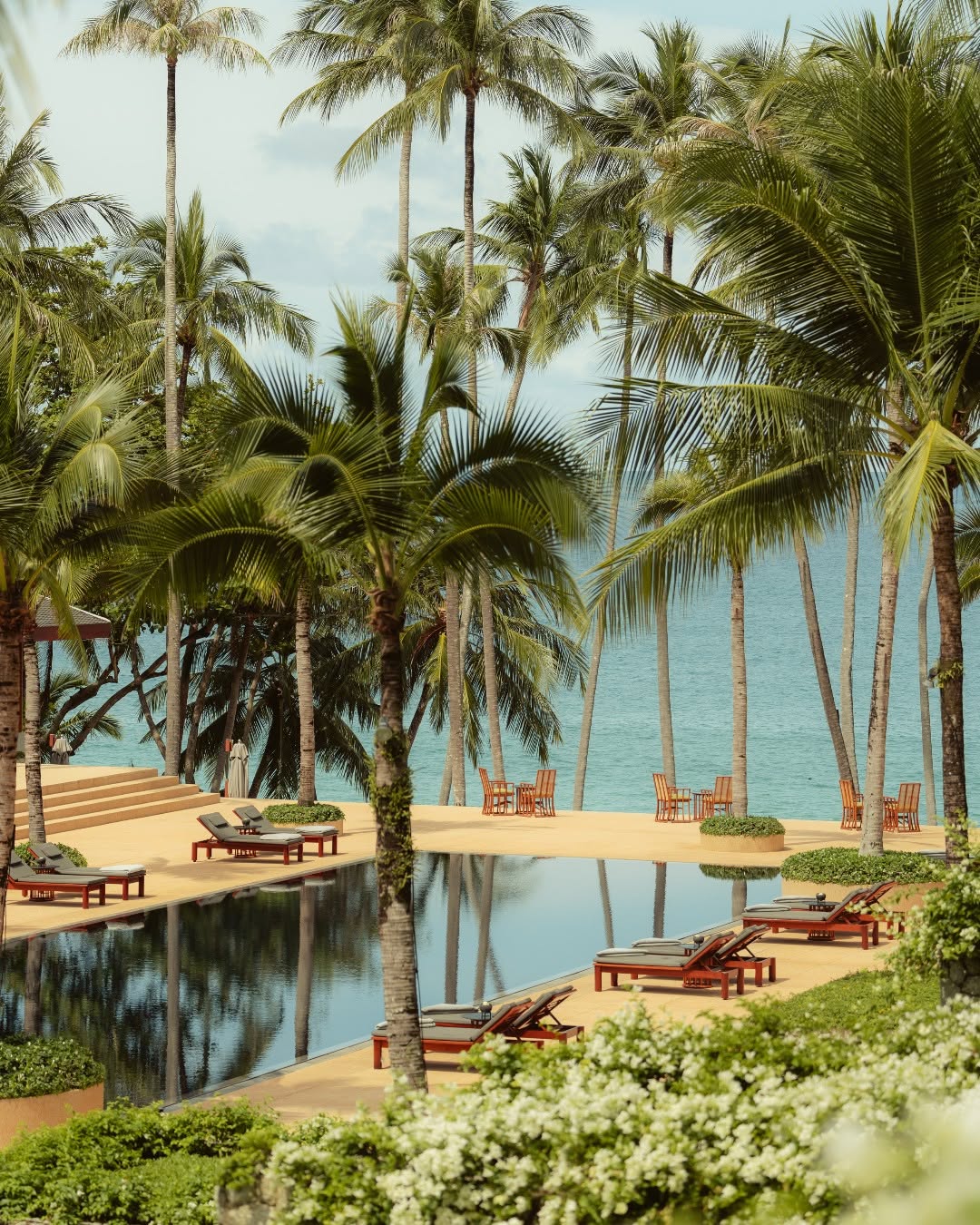
Days at Amanpuri unfold around the shoreline and the estate’s pools, with the resort’s own stretch of Pansea Beach as the natural centre of gravity for guests seeking little more than quiet.
Location
Pansea Beach, Phuket, Thailand. Phuket International Airport is approximately 24km away, roughly a 30-minute private car transfer — complimentary for stays of 3 nights or longer, otherwise around USD 150 each way for shorter stays.
Real luxury sometimes isn’t about what’s added to a space — but what one chooses to leave out.
Amanpuri — Aman’s first resort.