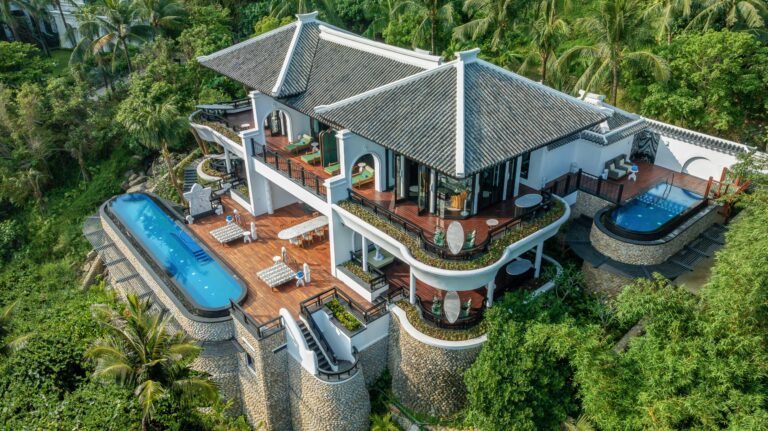
Amanpuri’s steeply pitched roofs appear between coconut palms on a headland above Pansea Beach. Paths follow the hillside, connecting individual pavilions through tropical gardens, while a broad stone staircase leads down towards the sand.
Before the resort opened in 1988, the site was a coconut plantation. Architect Ed Tuttle preserved many of the existing trees and arranged the buildings around the natural contours of the land. Those early decisions remain visible in Amanpuri’s layout today.
The Backstory
Amanpuri was the first resort in the Aman portfolio, developed under the direction of founder Adrian Zecha. He commissioned Ed Tuttle to design the property on Phuket’s west coast. Tuttle drew inspiration from traditional Thai temple architecture, particularly the forms of the Ayutthaya period.
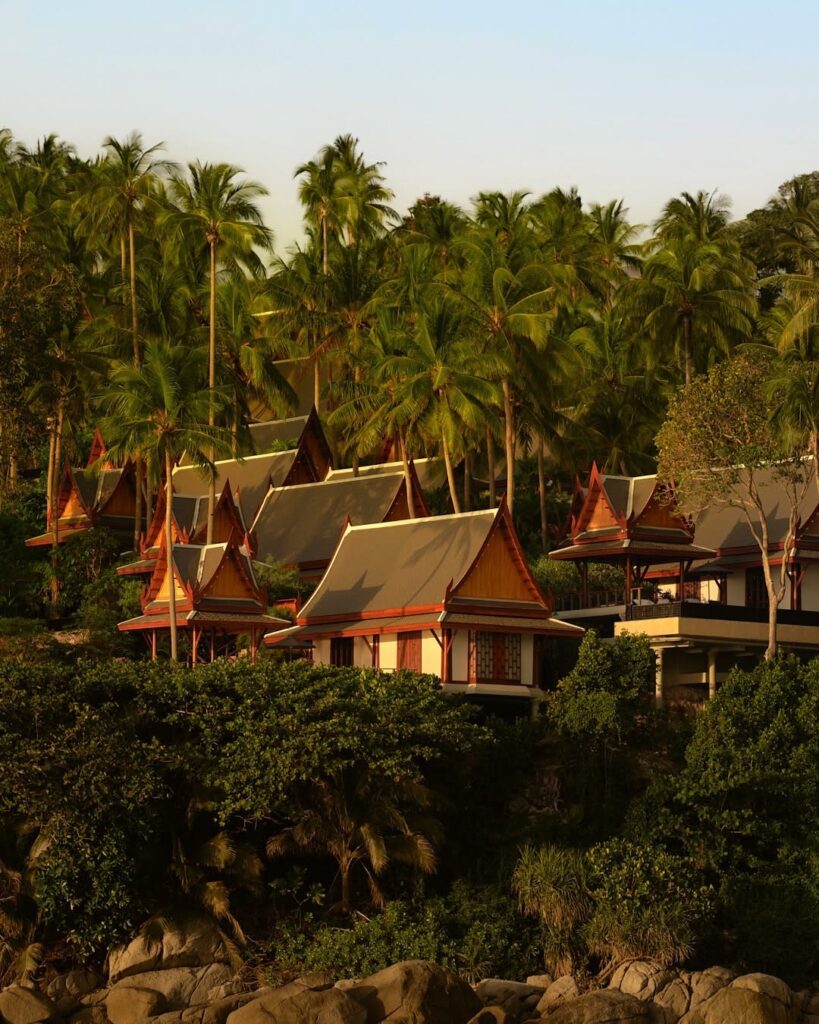
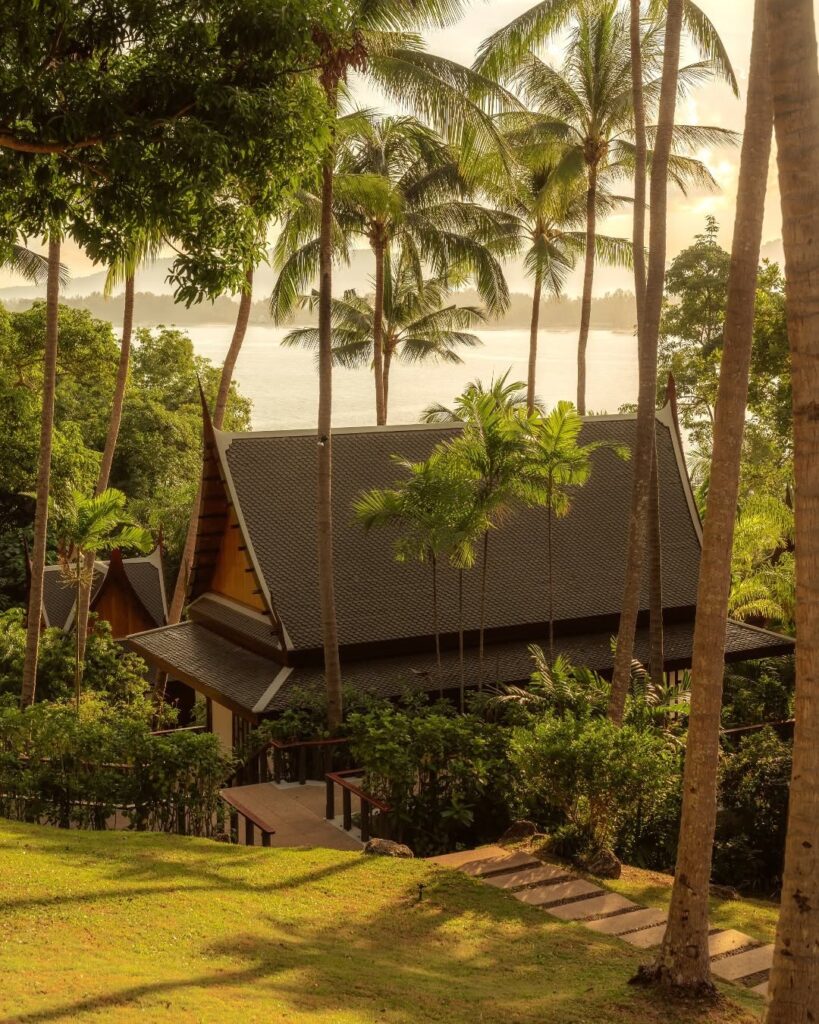
Pavilion roofs among the coconut palms.
Tuttle adapted steep roofs, curved eaves and pavilion-style structures to the hillside setting. Buildings were spaced among the existing trees, with raised walkways used where the terrain required them. The resort opened in 1988, marking the beginning of Aman.
The Setting
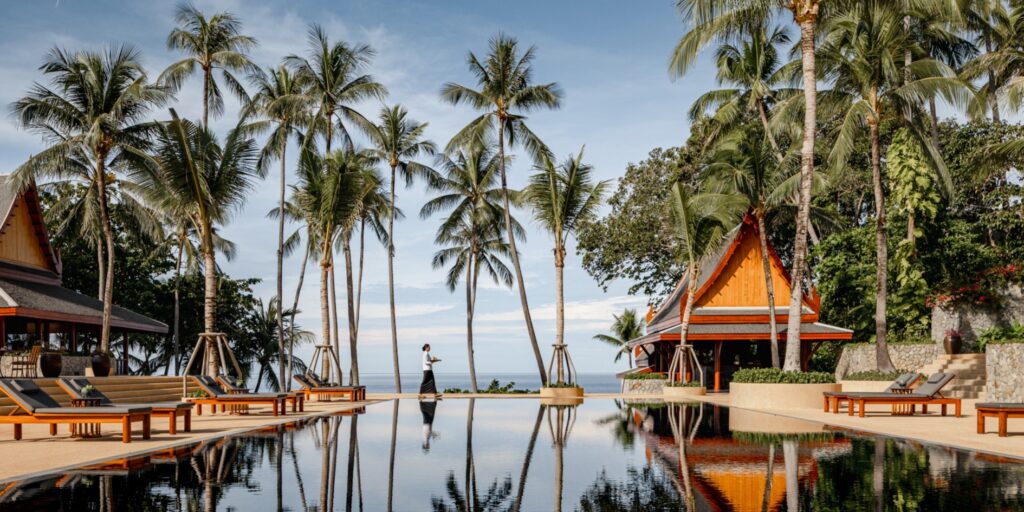
Amanpuri occupies a headland above Pansea Beach on Phuket’s western coastline. Accommodation is arranged along the hillside, while the central swimming pool, restaurants and beach occupy different levels of the property.
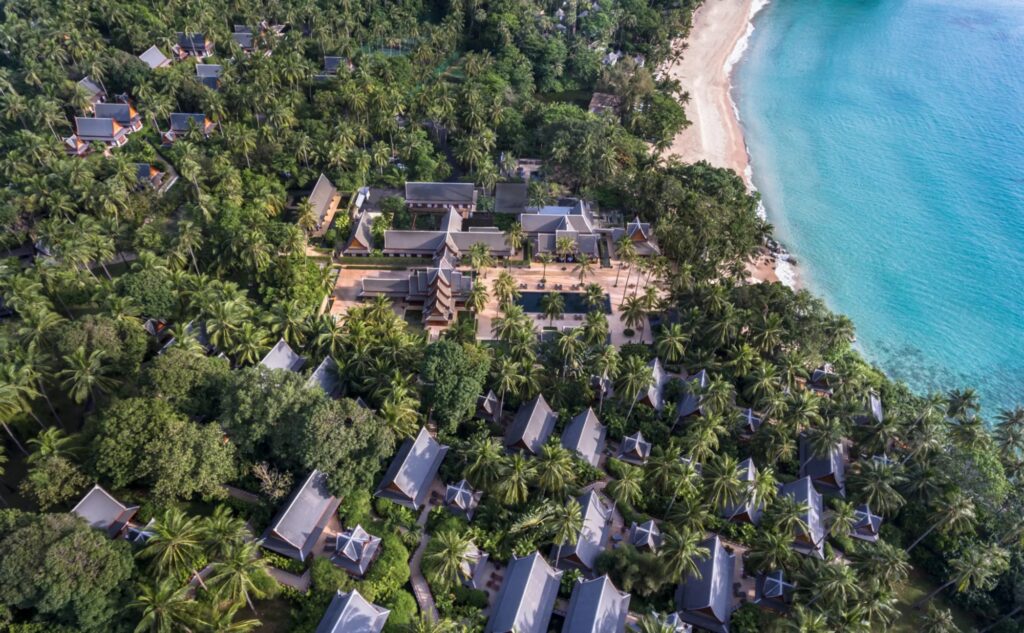
Amanpuri among its coconut grove, above the beach.
The position of each pavilion makes a difference to its outlook. Some face the gardens, others look towards the Andaman Sea, and certain categories offer partial ocean views. Guests who prefer to avoid stairs should discuss room locations and access routes with the resort before booking.
Architecture & Design
Thai architectural influences are evident in the pitched roofs, curved eaves and timber surfaces. The individual pavilions share a visual language with the resort’s communal buildings, giving the property a consistent character.
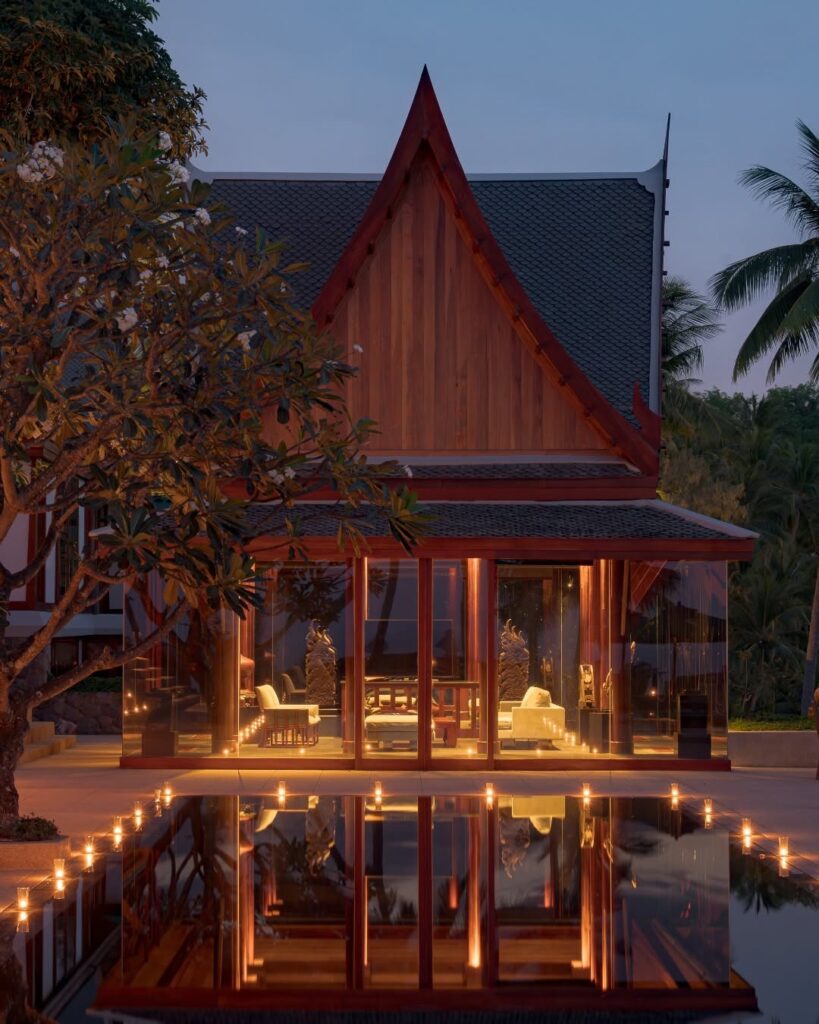
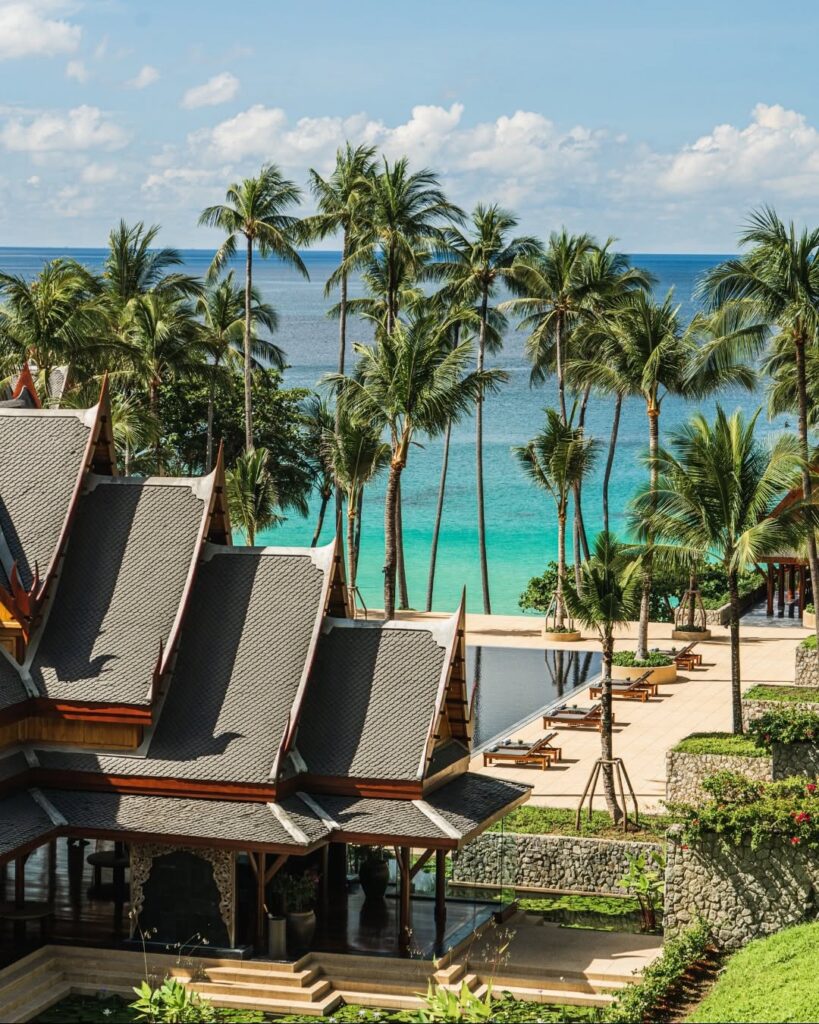
Thai-inspired pavilions above the pool and the beach.
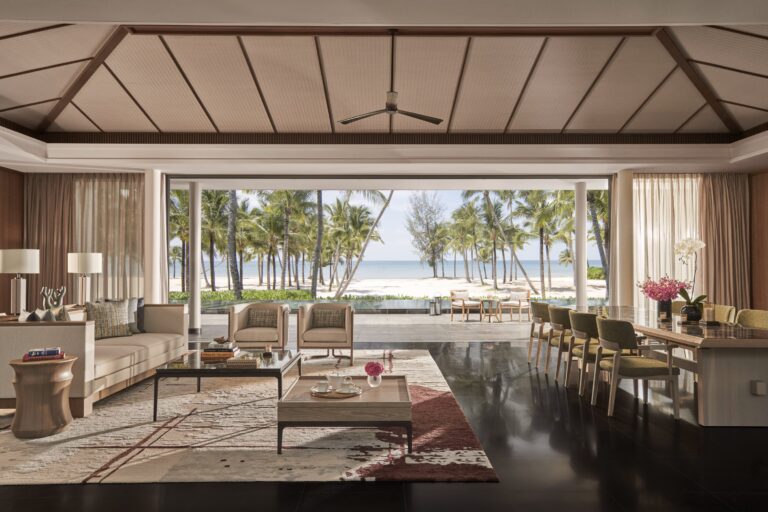
The 27-metre central swimming pool sits among open-air spaces overlooking the gardens and sea. In the accommodation, terraces extend the living areas outdoors, with many pavilion categories featuring a sala, a traditional roofed outdoor pavilion.
A sala provides a sheltered place to sit beside a terrace or private pool, whether for reading, a drink or a quiet afternoon. Its position, together with the terrace layout and the view, is worth considering when choosing accommodation.
Rooms, Suites & Villas
Amanpuri’s accommodation falls into two main groups: pavilions and private villas. Pavilions vary in size, outlook and outdoor amenities, while villas offer multiple bedrooms and shared living spaces for families or groups travelling together.
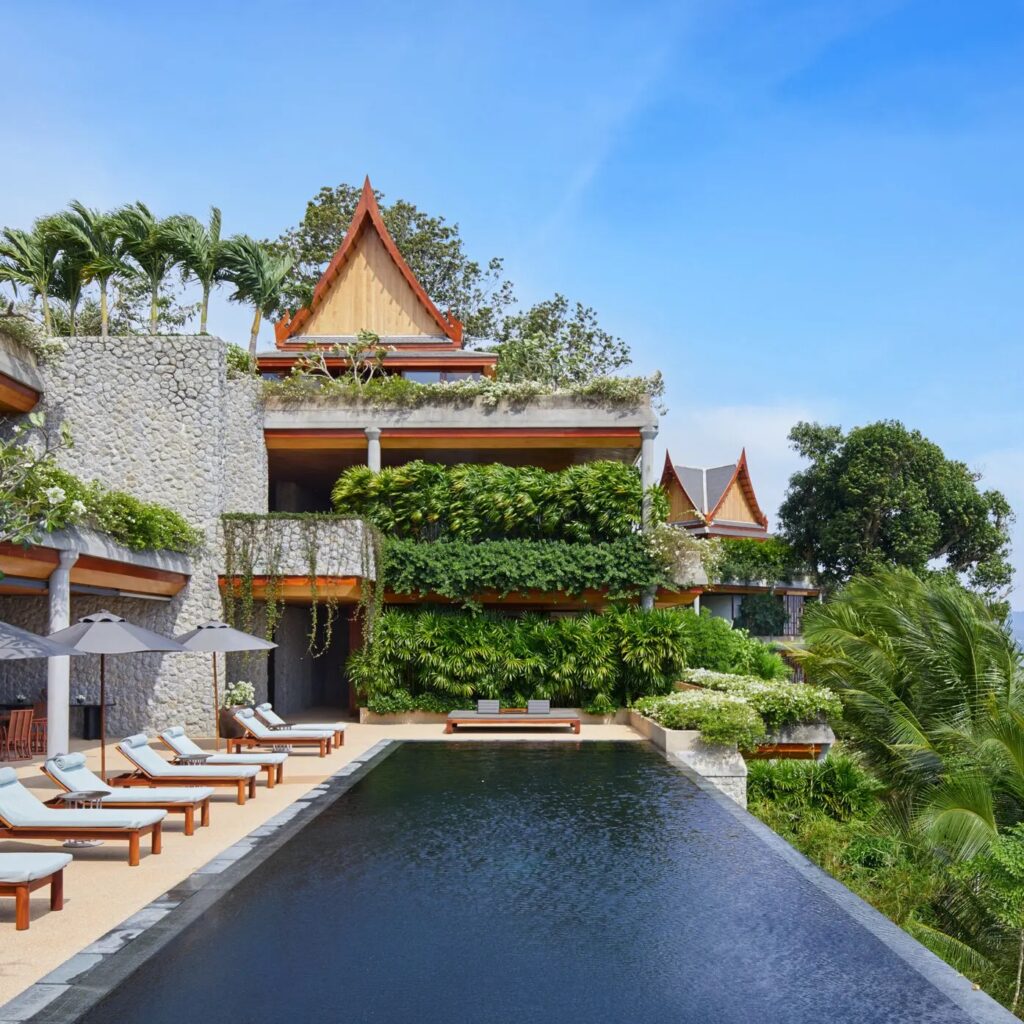
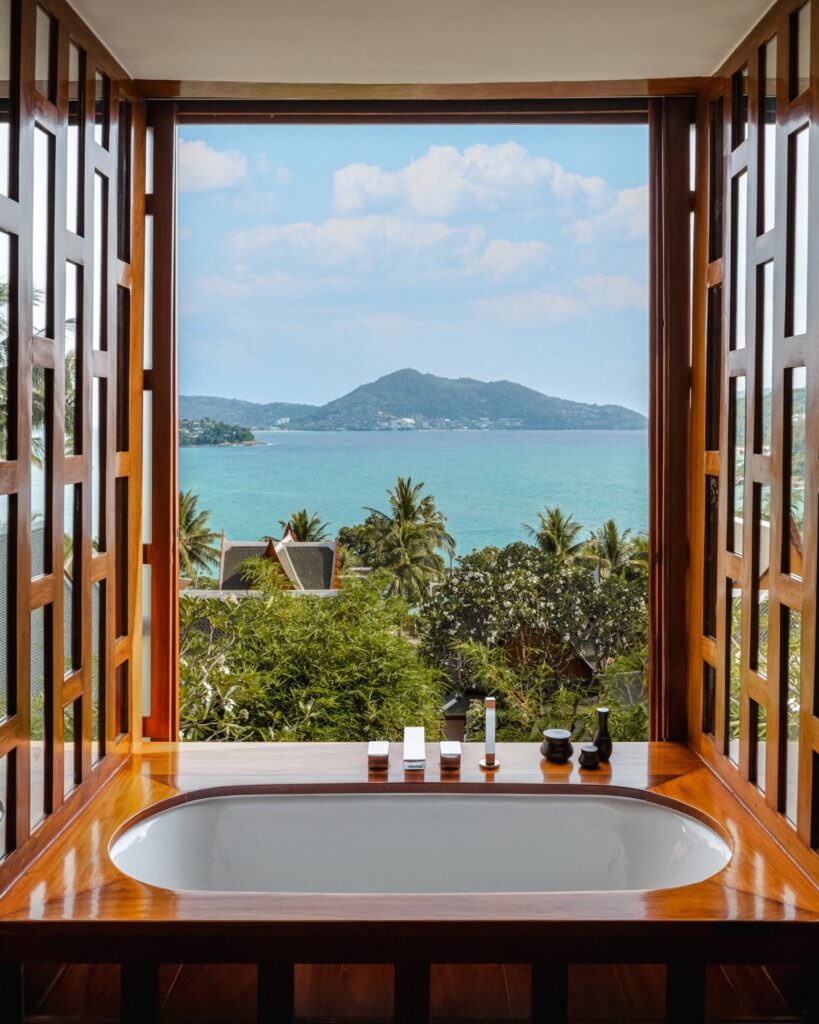
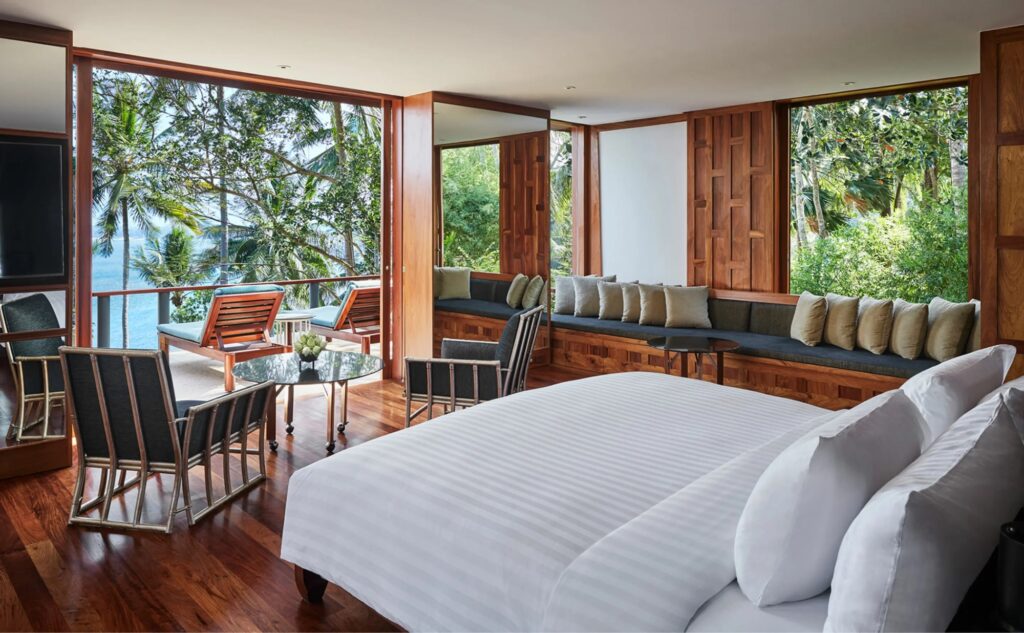
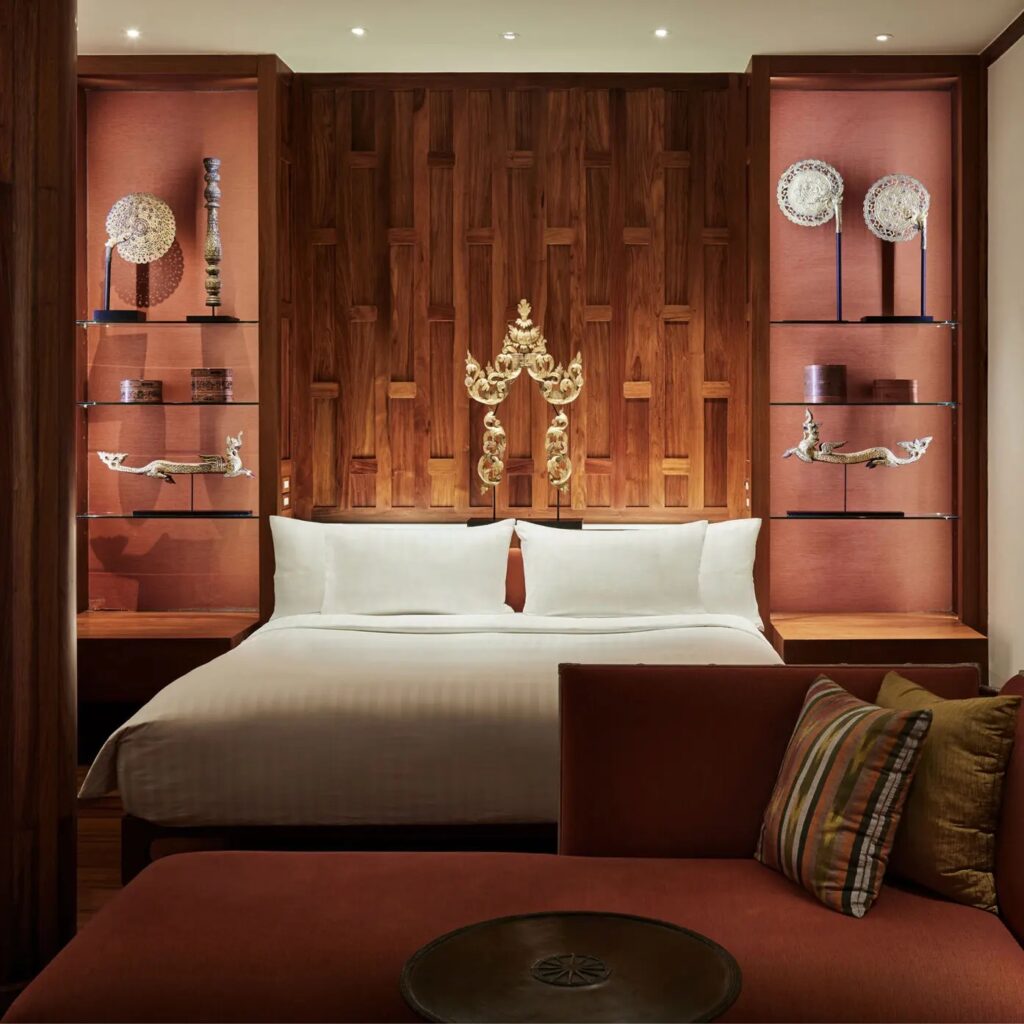
A villa pool with terraces, a bathtub with a sea view, and bedrooms in an ocean villa and a garden villa.
Garden Pavilion
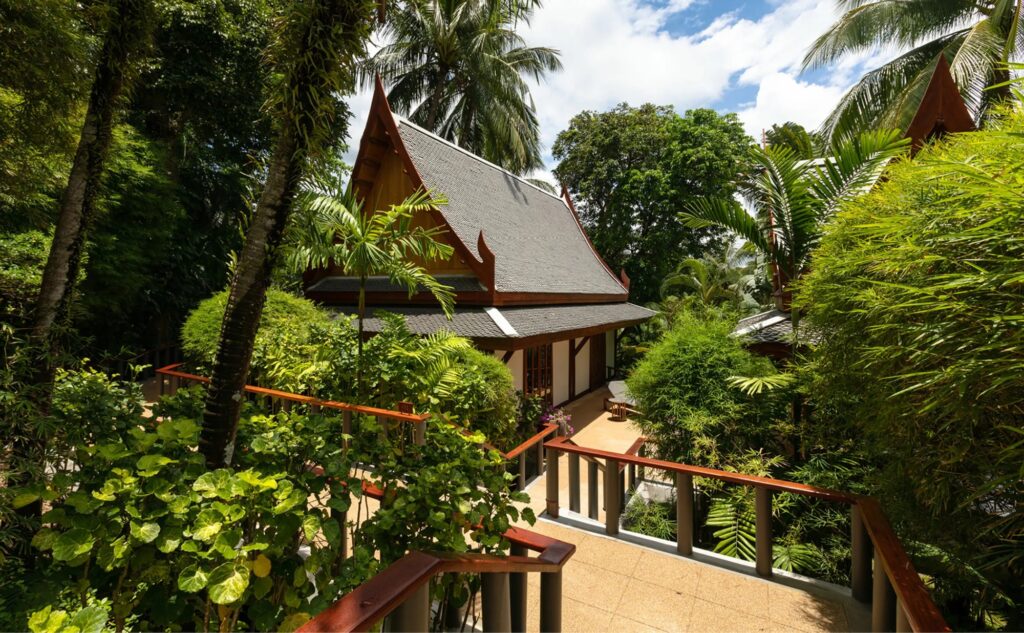
A Garden Pavilion.
The Garden Pavilion measures 115 square metres, according to Aman, and includes a private sala, sun deck and bathroom with a deep soaking bathtub.
Surrounded by tropical gardens, this category suits guests who favour a garden setting and outdoor seating over a private swimming pool or sea view.
Ocean Pool Pavilion
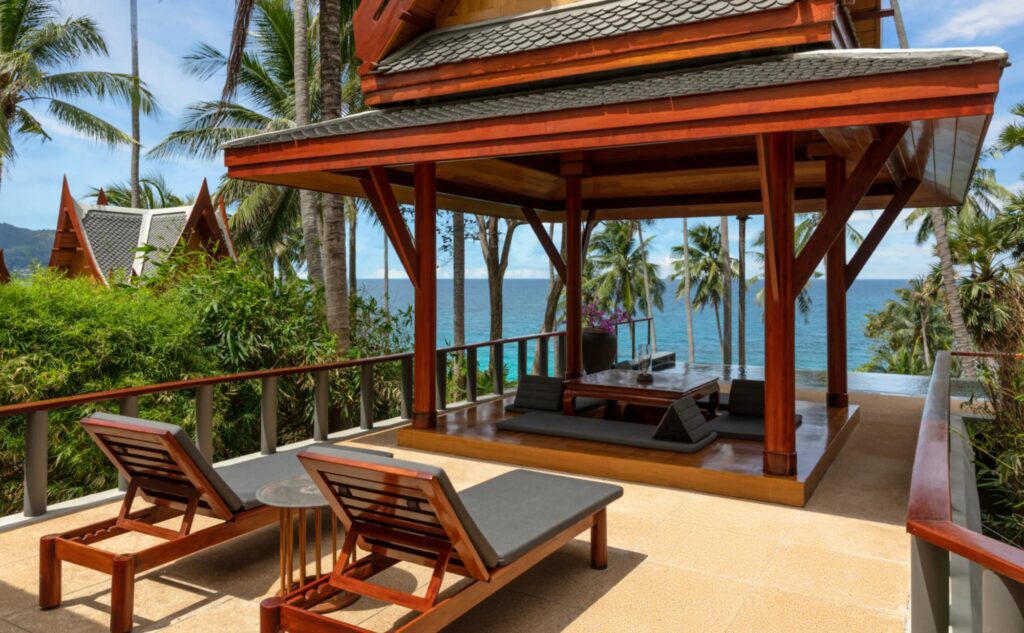
An Ocean Pool Pavilion terrace.
The Ocean Pool Pavilion offers 147 square metres of combined indoor and outdoor space, including a private swimming pool, dining terrace and sala overlooking the Andaman Sea.
Other pool pavilion categories may face the gardens or have partial ocean views. A private pool does not necessarily mean an uninterrupted sea view, so it is worth checking the precise category when booking.
Private Villas
Amanpuri’s private villas offer multiple bedrooms, private swimming pools and shared living areas. Villa services include a dedicated Villa Host and a personal Thai chef, allowing meals to be prepared and served within the accommodation.
For families and groups of friends, the arrangement provides space to gather for meals and time by the pool while retaining separate bedrooms.
Dining
Amanpuri’s dining venues extend from the central pool towards Pansea Beach, with southern Thai cooking alongside several international cuisines.
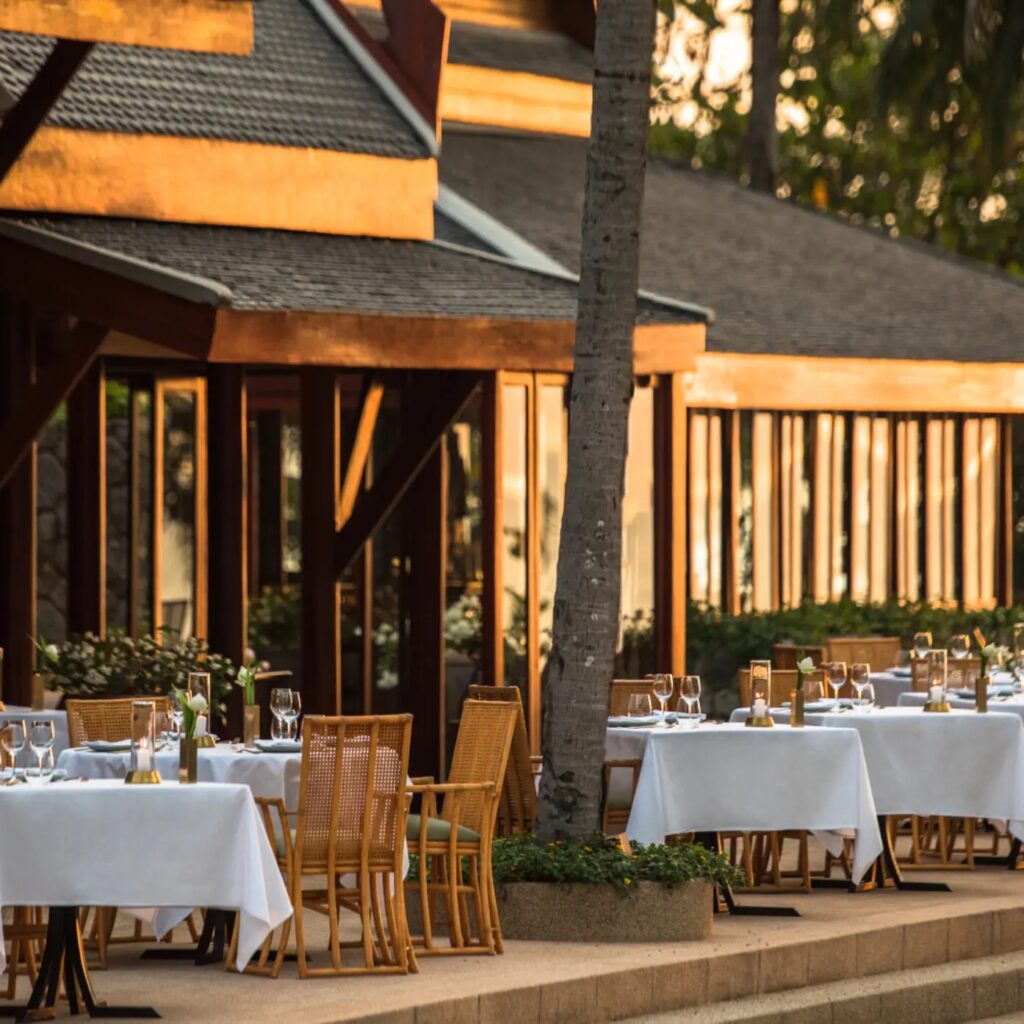
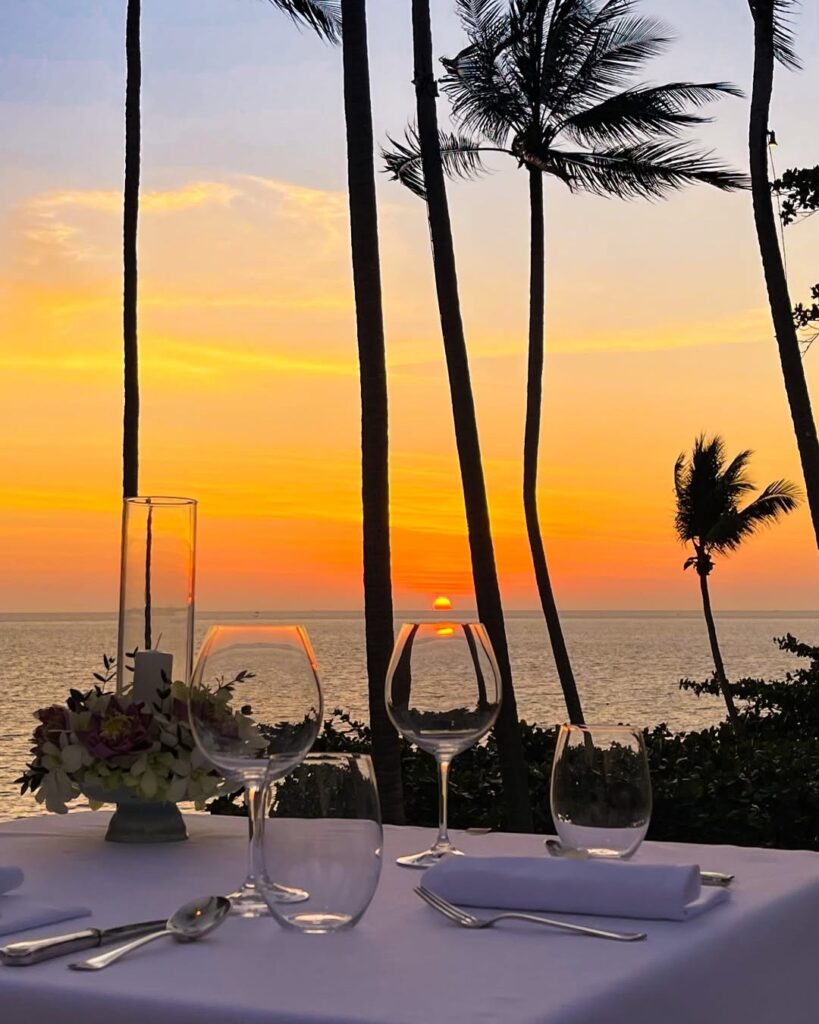
Outdoor dining at Amanpuri.
Buabok, beside the main pool, serves southern Thai dishes including curries, seafood and green mango salad. Breakfast combines Thai-inspired dishes with international choices.
Arva focuses on Italian cuisine, Akari serves Japanese food, and Nura offers Mediterranean dishes near the beach. Sunset Terrace is a setting for drinks overlooking the Andaman Sea, while the seasonal Beach Terrace serves grilled dishes and wood-fired pizza.
The different locations give guests a choice of settings throughout their stay, from poolside dining to meals by the water. Opening schedules for seasonal venues should be confirmed in advance.
Wellness
Amanpuri’s Holistic Wellness Centre has 12 treatment rooms, alongside a sea-view gym, steam room and infrared sauna. Yoga, Pilates, Muay Thai and tennis provide further options for guests who want to stay active.
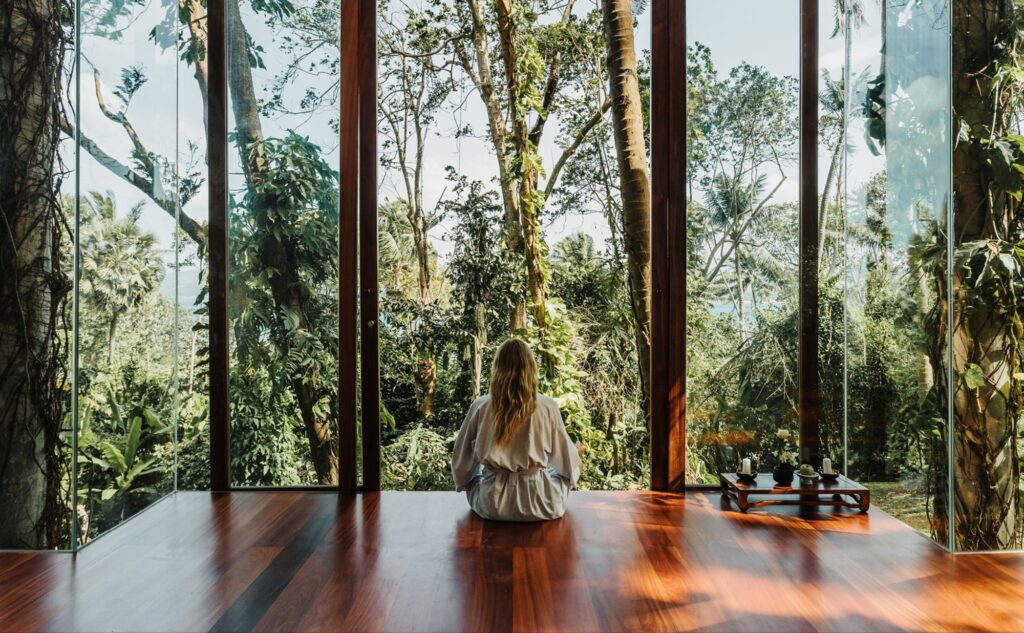
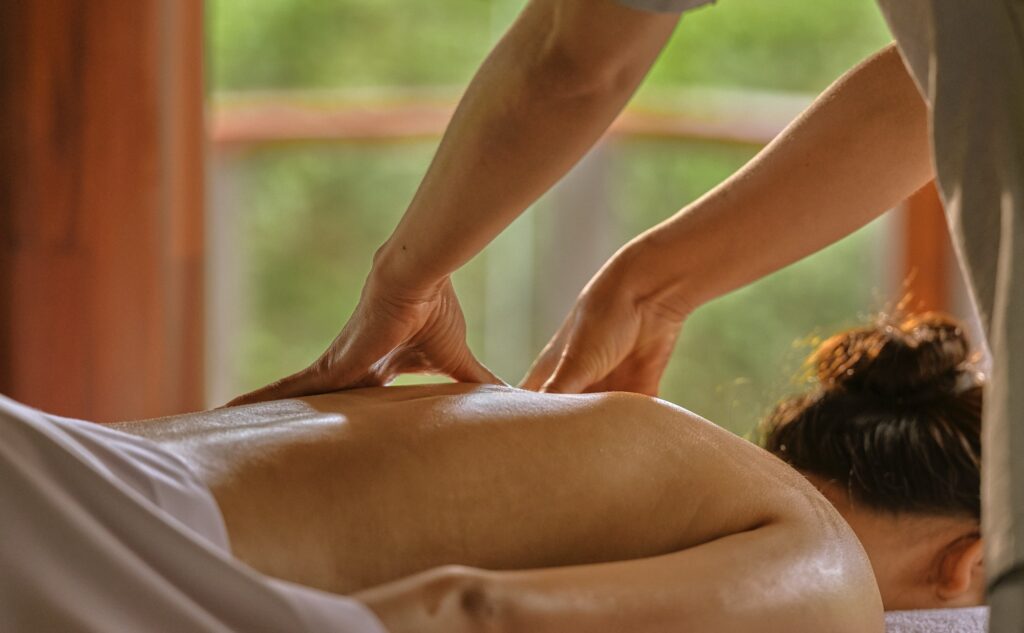
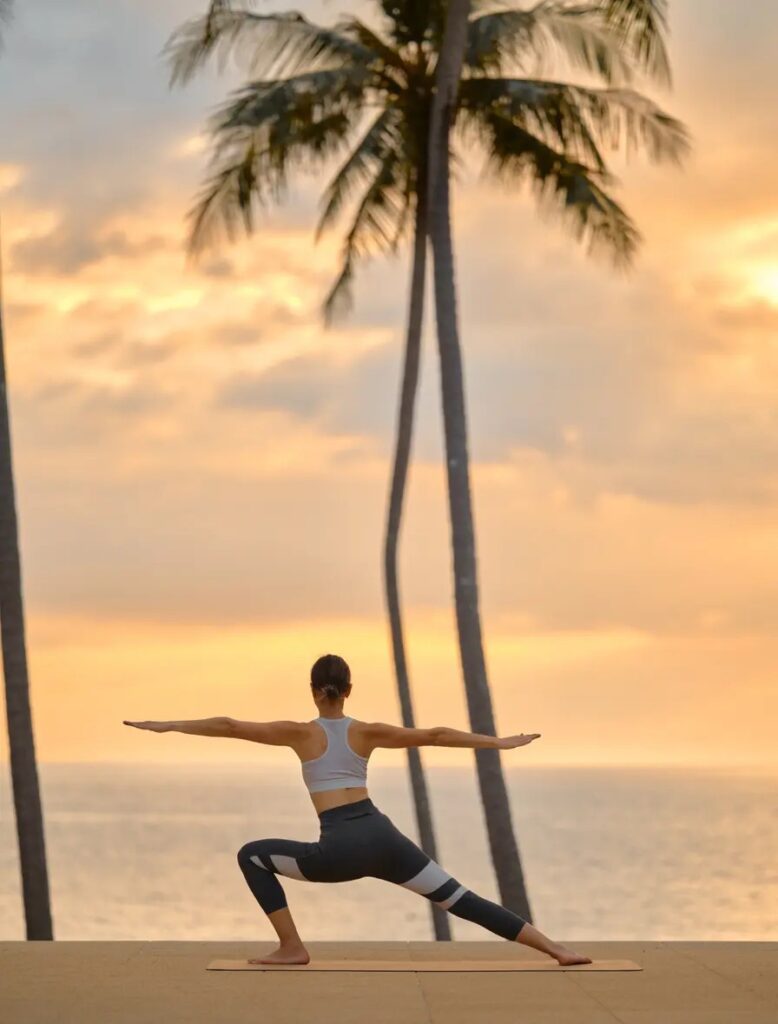
A wellness pavilion, a spa massage and sunset yoga.
For a more structured approach, the resort offers Wellness Immersions, programmes designed around individual goals. Original Immersions require a minimum three-night stay, making them something to plan alongside the rest of the holiday rather than add at the last minute.
Service & Experience
Pansea Beach and the resort’s outdoor spaces offer opportunities for both relaxation and activities. Water sports include stand-up paddleboarding, wakeboarding and waterskiing, subject to weather and operating conditions.
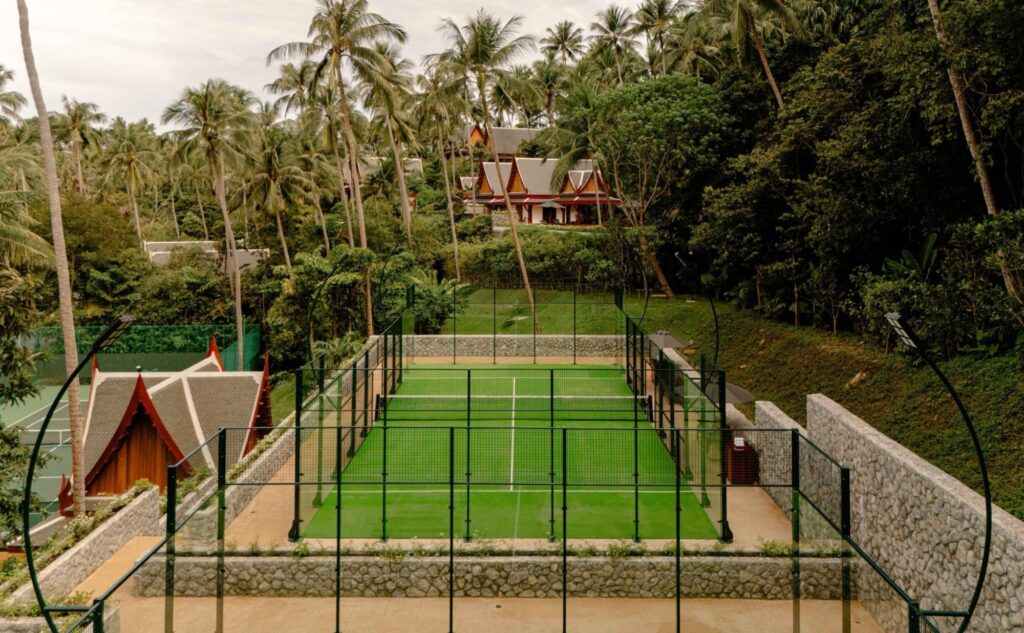

A padel court on the hillside, and a guest carrying a paddleboard on the beach.
For younger guests, the Eco-Beach Discovery Centre offers activities such as Thai cooking and batik-making for children aged five to twelve. Hot Spot provides sports and creative activities for teenagers.
These facilities give families staying for several days a wider range of ways to spend their time, particularly when children and adults have different interests.
Traveleak’s Take
Amanpuri remains compelling for its architecture and history. Ed Tuttle’s Thai-inspired pavilions, pathways through established coconut groves and hillside layout give the resort a distinctive setting above Pansea Beach.
It is worth considering for travellers interested in architecture, outdoor living and spending much of their holiday within the resort. Pavilions suit those seeking a private retreat, while the larger villas make more sense for families or groups travelling together.
Views, private pools and terrace arrangements are worth weighing when comparing accommodation categories. The hillside terrain and stairways also deserve attention, particularly for guests with specific mobility needs.
More Aman hotels on Traveleak: Aman Kyoto, Aman Tokyo
More hotels in Thailand on Traveleak:
Capella Bangkok · Mandarin Oriental, Bangkok
Images courtesy of Aman
Essential Information
- Location
- Pansea Beach, on the west coast of Phuket
- Accommodation
- Pavilions (Garden, pool and ocean-facing categories) and multi-bedroom private villas with private pools.
- Dining
- Buabok (Thai), Arva (Italian), Akari (Japanese), Nura (Mediterranean), Sunset Terrace (bar) and the seasonal Beach Terrace.
- Wellness
- Holistic Wellness Centre with 12 treatment rooms, sea-view gym, steam room, infrared sauna, yoga and Pilates studios, Muay Thai ring and tennis courts; Wellness Immersions.
- Getting there
- Phuket International Airport (HKT), about 30 to 45 minutes by road depending on traffic and transfer arrangements.
Location Map
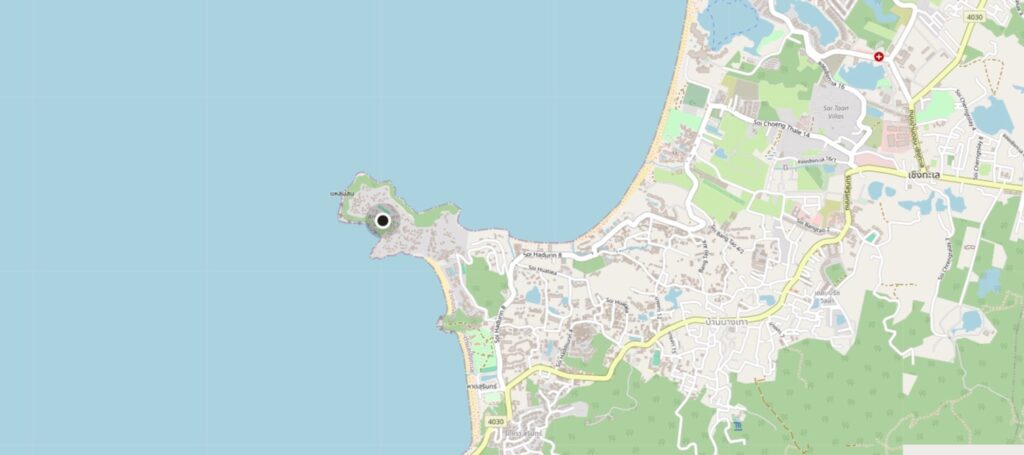 © OpenStreetMap contributors
Contact
Pansea Beach, Cherngtalay, Thalang District, Phuket 83110, ThailandOfficial Website aman.com/resorts/amanpuri
Rates via Trip.com
Some links on this page are affiliate links. If you make a booking through them, Traveleak may earn a small commission at no additional cost to you.