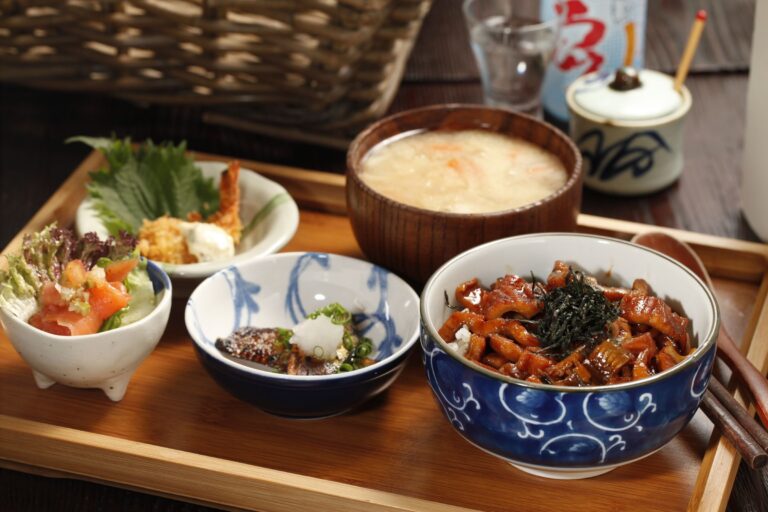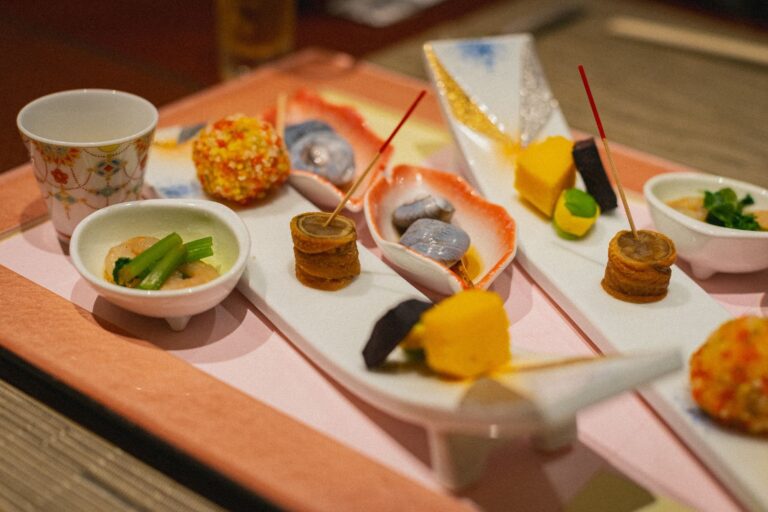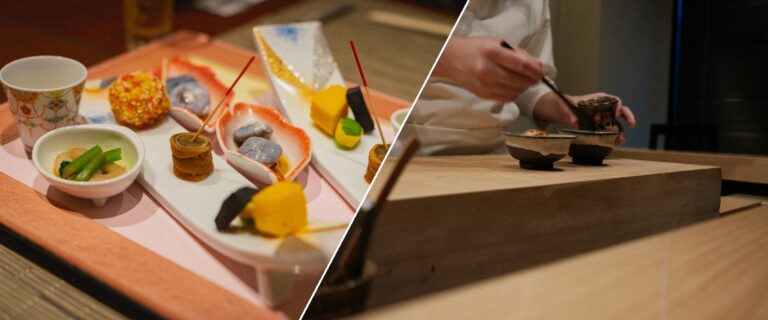
A small appetiser arrives at the table. It might be followed by a bowl of warm soup, a serving of sashimi or a piece of grilled fish, each presented in its own time. This is how a kaiseki meal often unfolds, with diners experiencing a succession of flavours rather than having every dish placed before them at once.
Kaiseki is a Japanese dining tradition built around a sequence of courses. In restaurants, kaiseki ryōri may bring together fish, seafood, meat, vegetables, rice, soup and dessert in a thoughtfully arranged menu. It is not a single dish, nor is it necessarily a vegetarian meal. The name kaiseki is also used in cha-kaiseki, a related but distinct dining tradition associated with the Japanese tea ceremony.
In restaurant-style kaiseki, the seasons play an important role in shaping the ingredients, preparation and even the tableware. A spring meal may therefore offer different flavours and colours from one served in autumn.
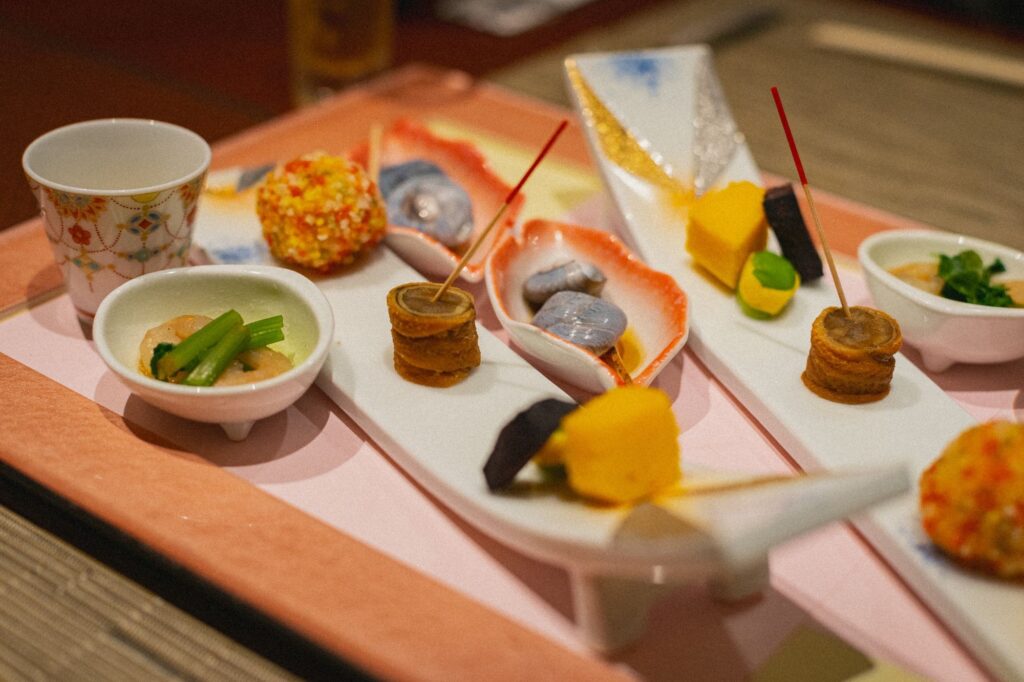
A kaiseki meal of small seasonal dishes.
When the Season Appears in Each Dish
Seasonal ingredients are central to kaiseki. Chefs select fish, seafood, vegetables and local produce according to the time of year, considering their flavour, texture and the methods best suited to preparing them.
Spring might bring tender bamboo shoots, with their delicate flavour and gentle crunch, simmered in broth to preserve their natural character. In autumn, mushrooms and chestnuts may appear in dishes with richer, earthier aromas. Local fish, seafood and vegetables also contribute to the changing menu.
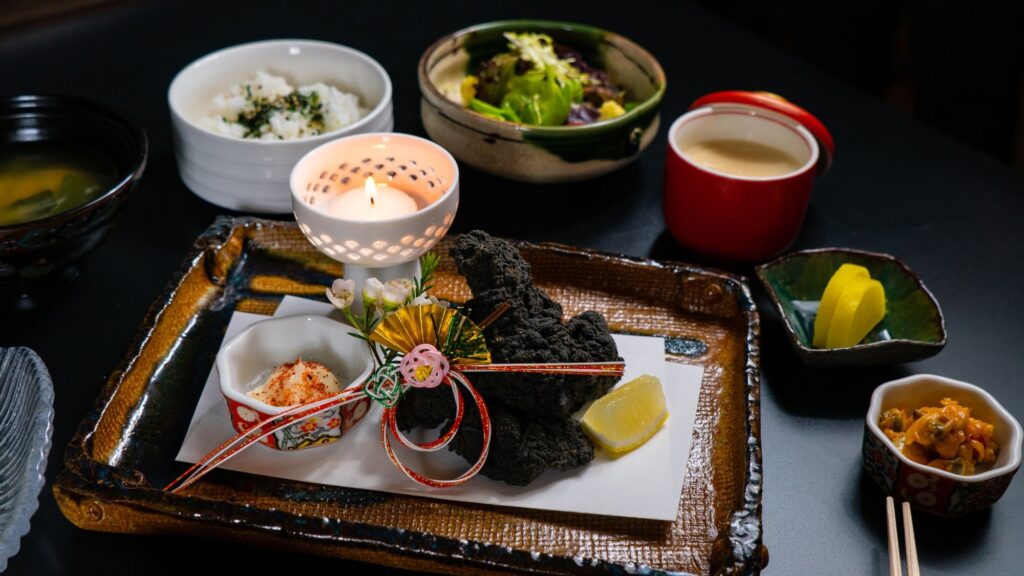
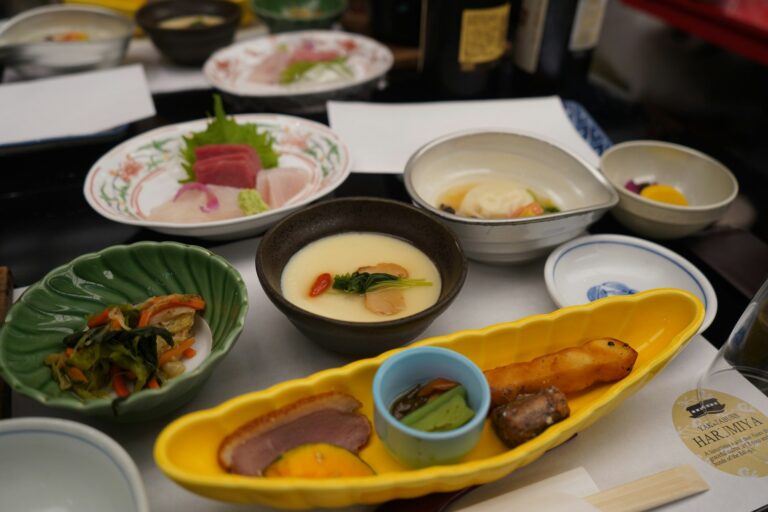
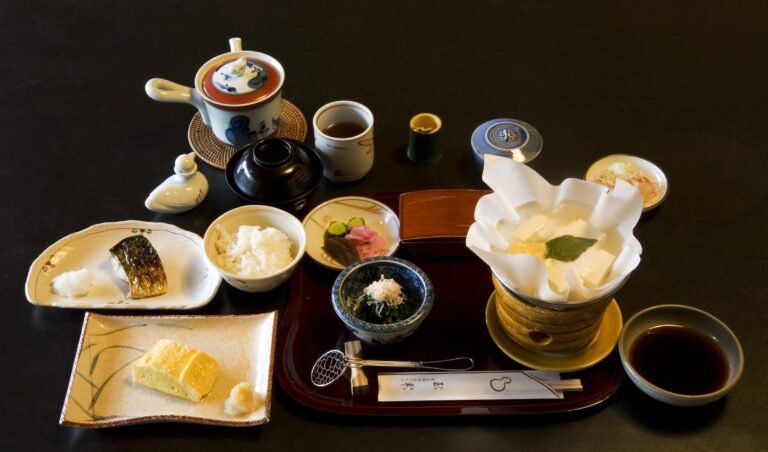
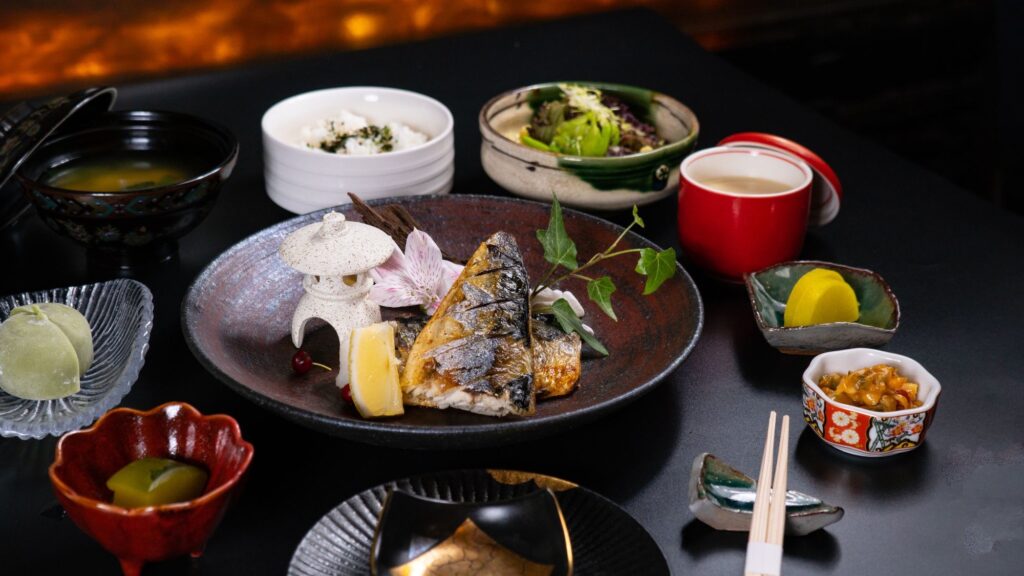
A kaiseki meal with grilled fish and small dishes.
The same ingredient can offer quite different experiences depending on how it is prepared. Fresh fish served as sashimi highlights its natural flavour and texture, while grilling brings out a different aroma. Steamed vegetables retain their tenderness and gentle sweetness, while simmering allows them to take on the delicate savouriness of a broth.
Seasonality also finds its way into the presentation. A chef may choose ceramic bowls, lacquerware or decorative details that complement the ingredients and the time of year. The colours of the tableware, the arrangement of a dish or even a carefully placed leaf can contribute to the visual character of a course.
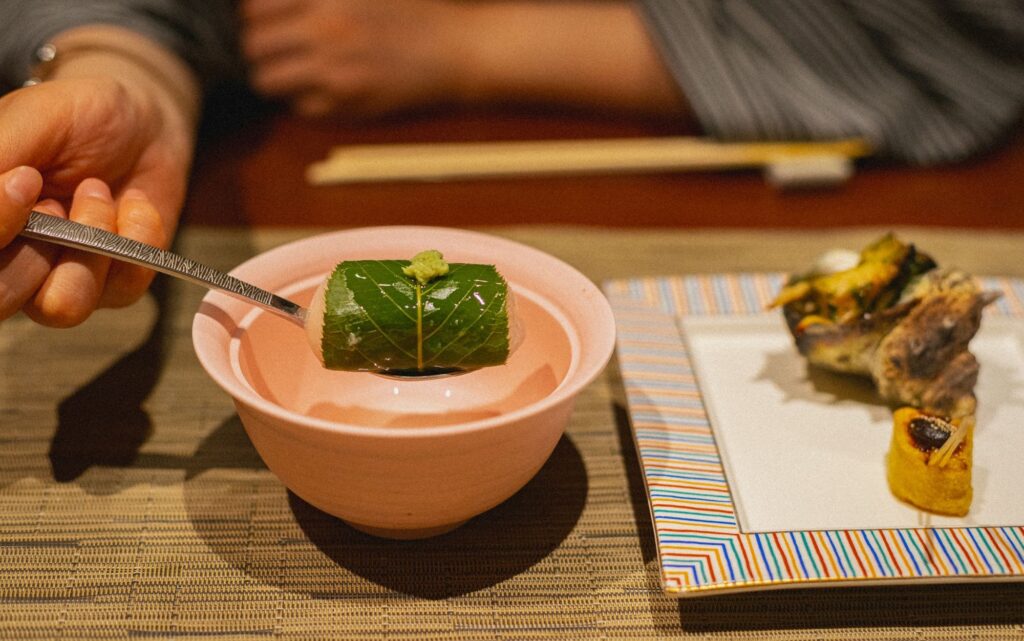
A seasonal dish wrapped in a pickled leaf.
These choices allow a kaiseki menu to change with the seasons, not only in what is served but also in how each dish arrives at the table.
A Meal That Unfolds Course by Course
A kaiseki meal generally consists of a succession of small courses. Each may contain only a few bites, prepared and presented separately for diners to enjoy before the next dish arrives.
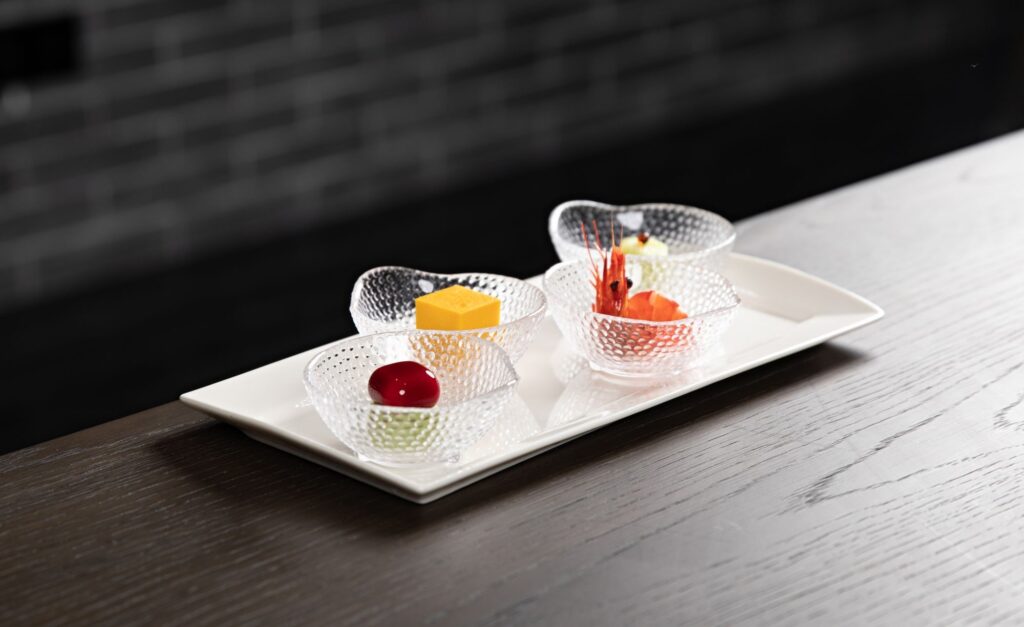
Small appetisers in glass bowls.
Depending on the menu, the meal might begin with seasonal appetisers, followed by soup, sashimi, grilled fish, steamed or simmered dishes. Rice, soup and pickles often appear towards the end, before fruit or something sweet completes the meal. The number of courses and their order, however, are not fixed across all restaurants.
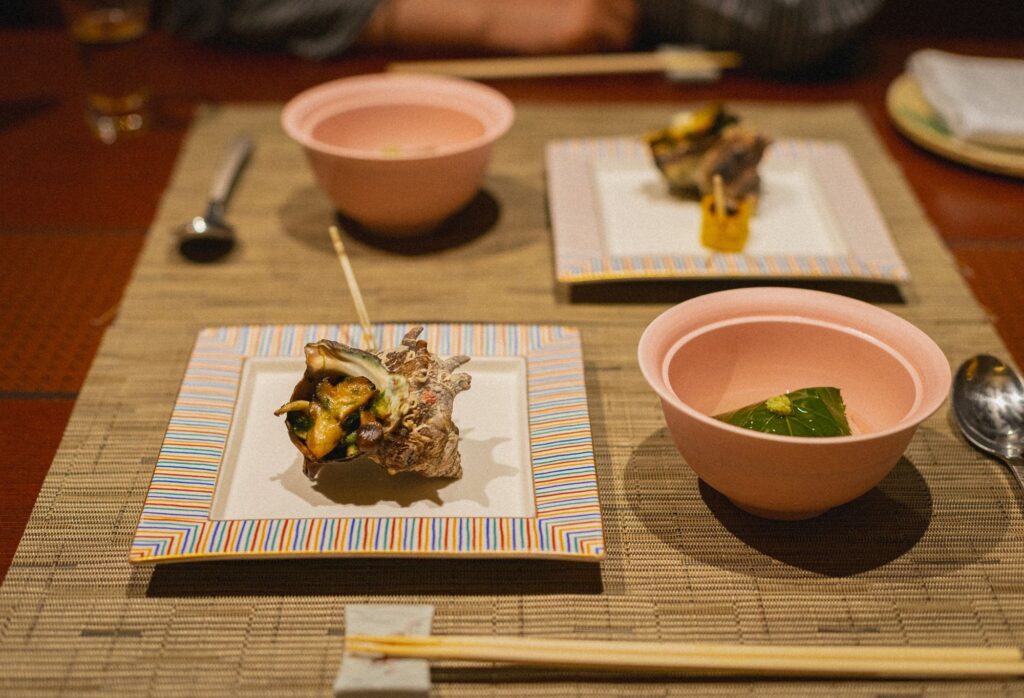
A seafood dish on ceramic tableware.
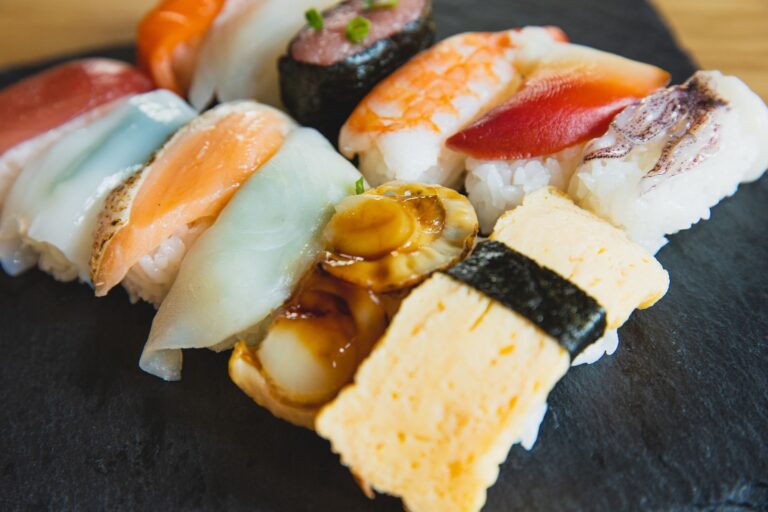
The changing dishes bring different flavours and textures to the table. After a cool, tender serving of sashimi, diners might enjoy fragrant grilled fish, followed by vegetables gently simmered in broth. Each preparation reveals something different about its ingredients.
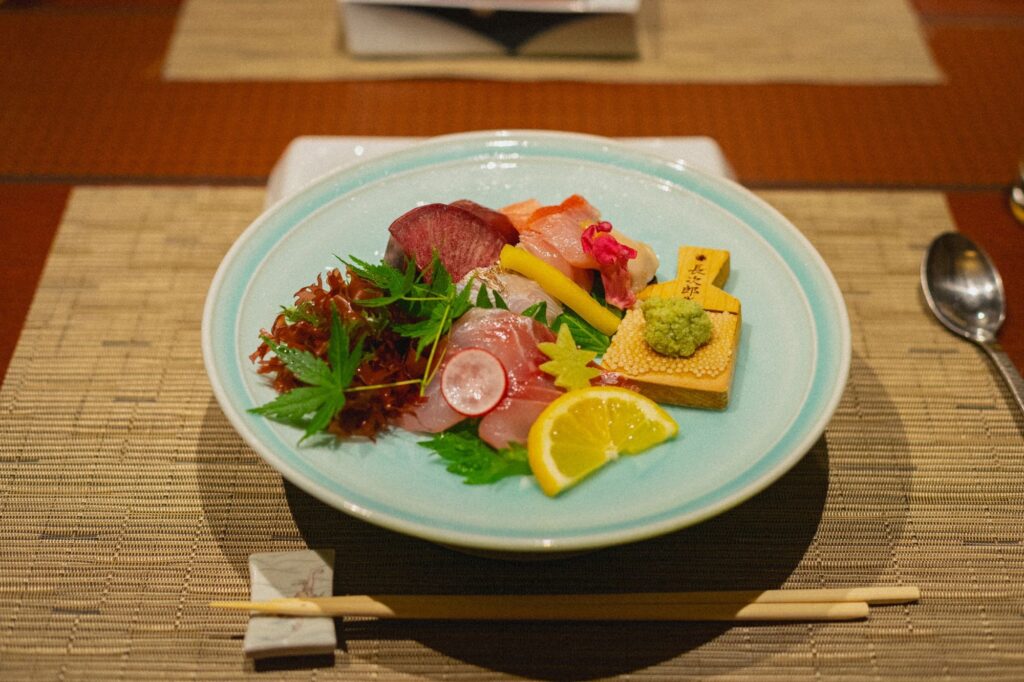
A sashimi plate with small dishes.
Serving the dishes individually also creates a particular rhythm. A bowl of soup arrives while still warm, a piece of fish comes fresh from the grill, and a small arrangement of vegetables has its own moment at the table. The pace may be adjusted to suit the diners and the restaurant’s style of service.
Enjoying a Kaiseki Meal
If you are trying kaiseki for the first time, there is no need to know the name of every course in advance. As each dish arrives, notice its main ingredients, how they have been prepared and what accompanies them. A bowl of clear soup, a piece of grilled fish and a few seasonal vegetables can offer very different flavours, even when the portions are equally small.
Some dishes are fully seasoned before they reach the table, while others may come with a separate sauce or condiment. If you are unsure how to enjoy something, you can ask the staff, particularly when encountering unfamiliar local ingredients or preparations.
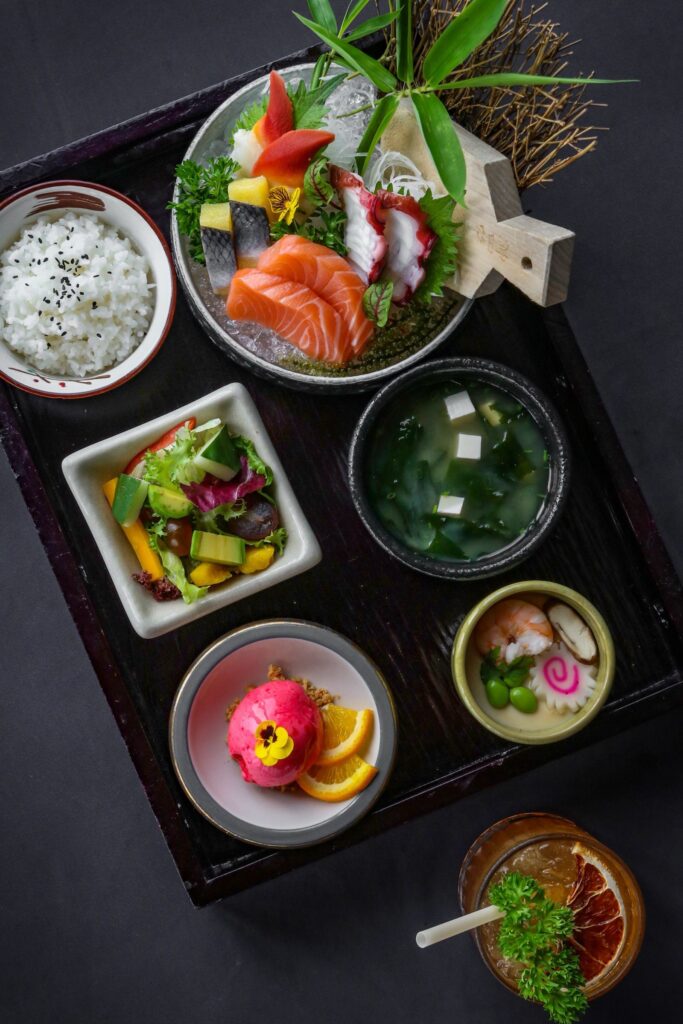
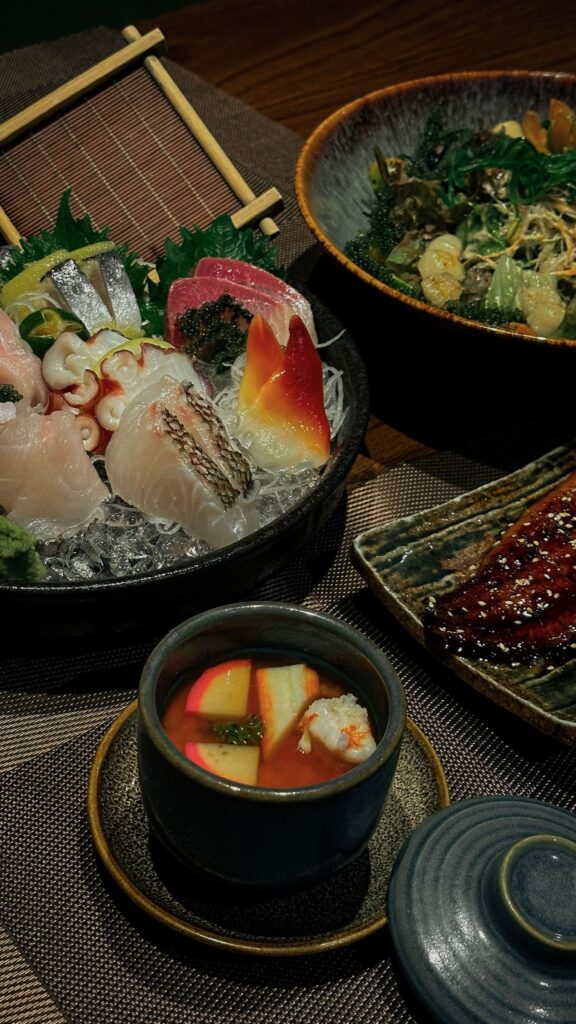
Small kaiseki dishes.
The presentation is worth a closer look, too. Fish may be arranged on a broad ceramic plate, while vegetables sit neatly inside a deeper bowl. Tableware does more than hold the food; its shape and colour may be chosen to complement both the dish and the season.
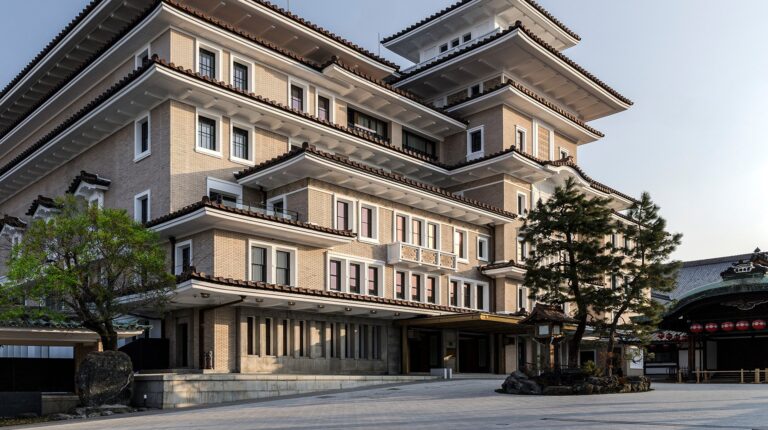
The surroundings can be part of the experience, too. In Kyoto, Kyoyamato serves kaiseki in historic spaces on the same grounds as Park Hyatt Kyoto.
What stays with you after a kaiseki meal might be the aroma of freshly grilled fish, the delicate flavour of a clear broth or a vegetable that appears only at a particular time of year.
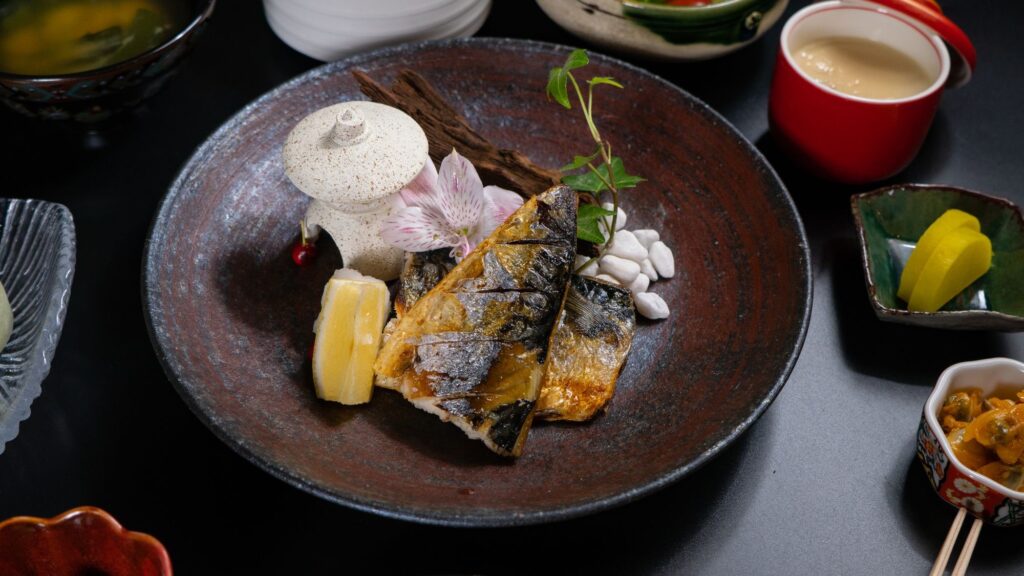
Grilled fish on dark ceramic.
Return in another season, and you may encounter new ingredients, colours and ways of preparing them. The table is still set for kaiseki, but what arrives upon it may be entirely different.