In this article
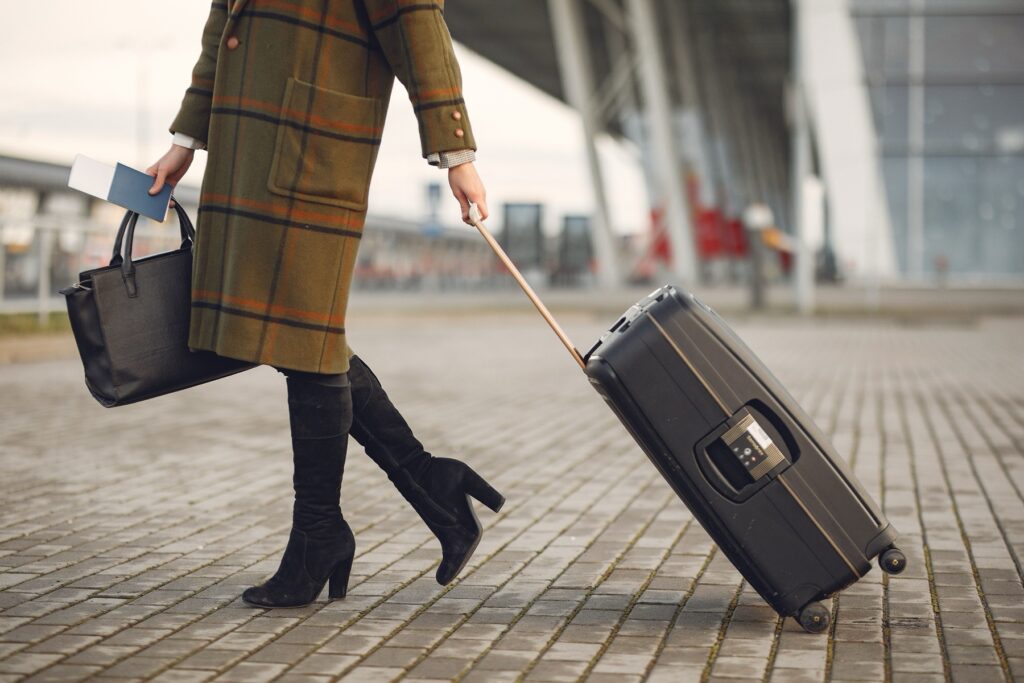
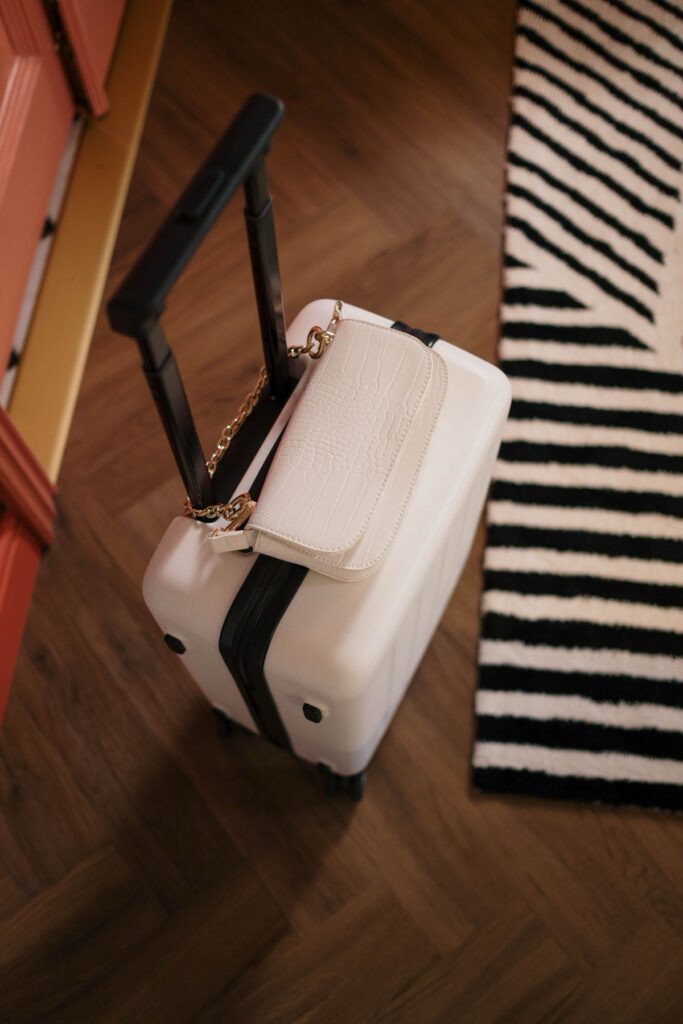
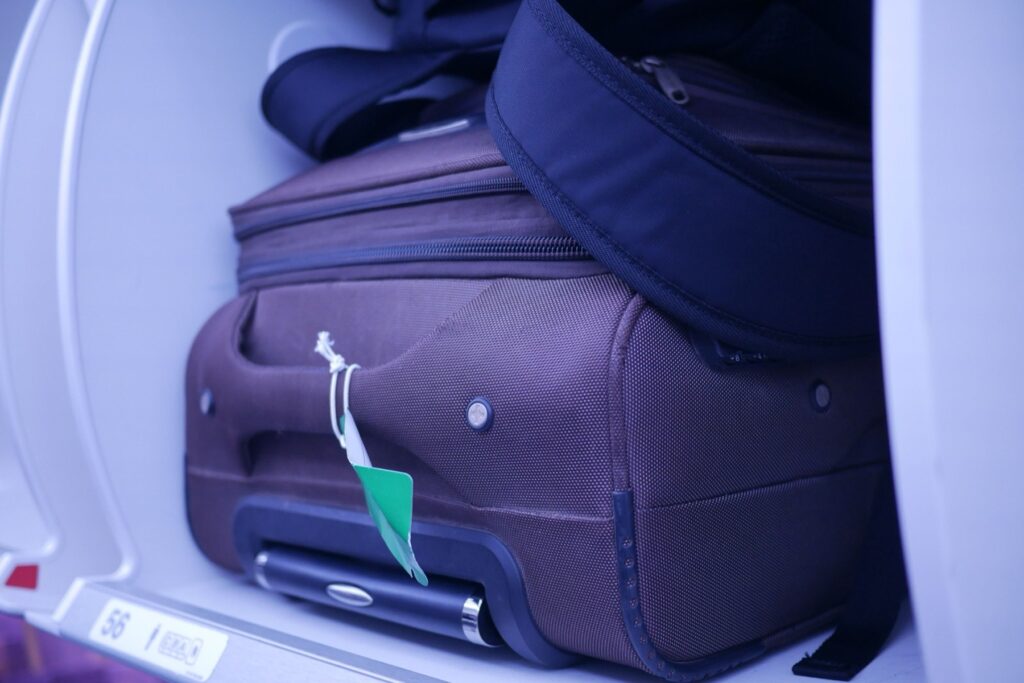
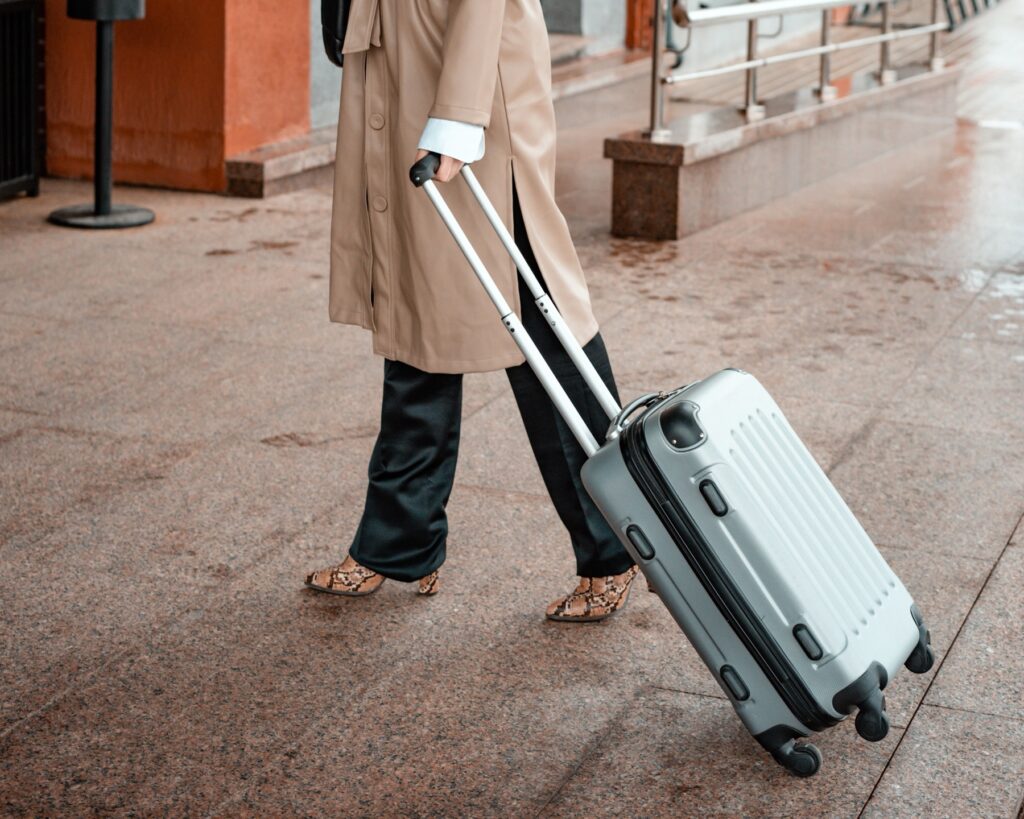
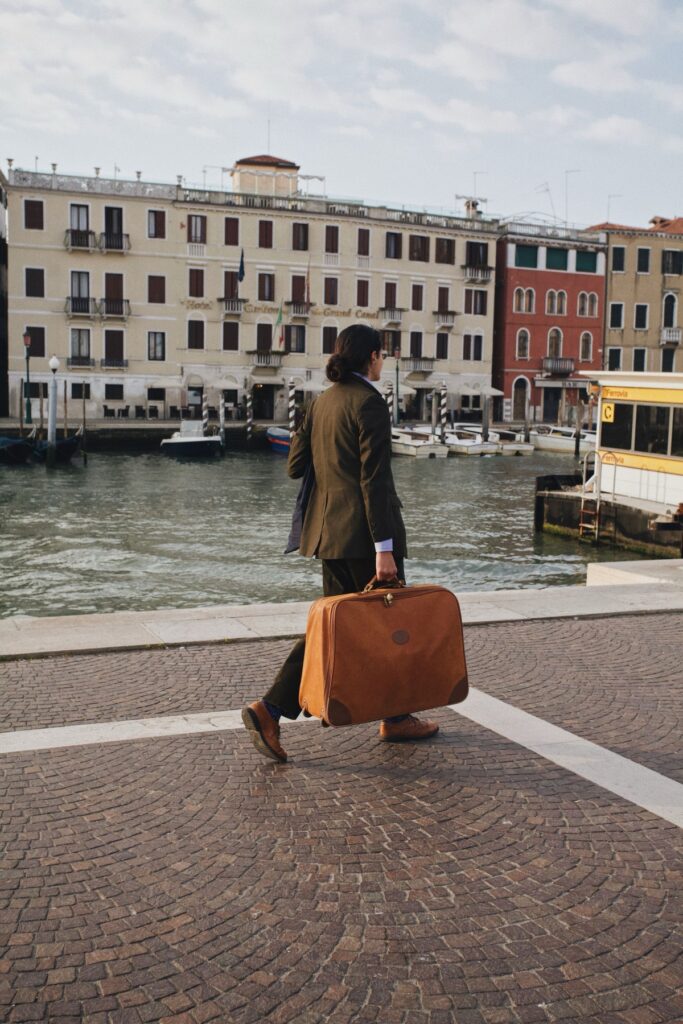
A carry-on that is fine for one airline may be too big for the next, and a suitcase that glides across an airport floor can be a nuisance on a station staircase. On a trip that mixes flights and trains, the suitcase has to suit both ways of travelling, and most of the time you are the one lifting it.
Start with the journey rather than the bag. Write down which airlines and trains you will use, on which fares, and how often you will carry the suitcase yourself.
Airlines set their own limits
There is no single carry-on size. Two airlines on the same route can allow different dimensions, and the same airline can allow different bags on different fares.
Lufthansa’s page lists one item of carry-on baggage of up to 55 x 40 x 23 cm and 8 kg, plus a personal item of 40 x 30 x 15 cm. On short and medium-haul flights, though, the Economy Basic fare includes only the personal item. Air France allows a hand bag of up to 55 x 35 x 25 cm, and says that this includes pockets, wheels and handles. In Economy it offers zero or one hand bag depending on the fare, plus a small bag, with a combined weight limit of 12 kg. Both airlines check bags at the airport and move those that do not comply to the hold, which can cost extra.
These figures were read on the airlines’ own US-market pages on 1 November 2026 and apply to flights those airlines operate. Treat them as examples of how much the rules differ, and check your own booking.
Measure the whole bag
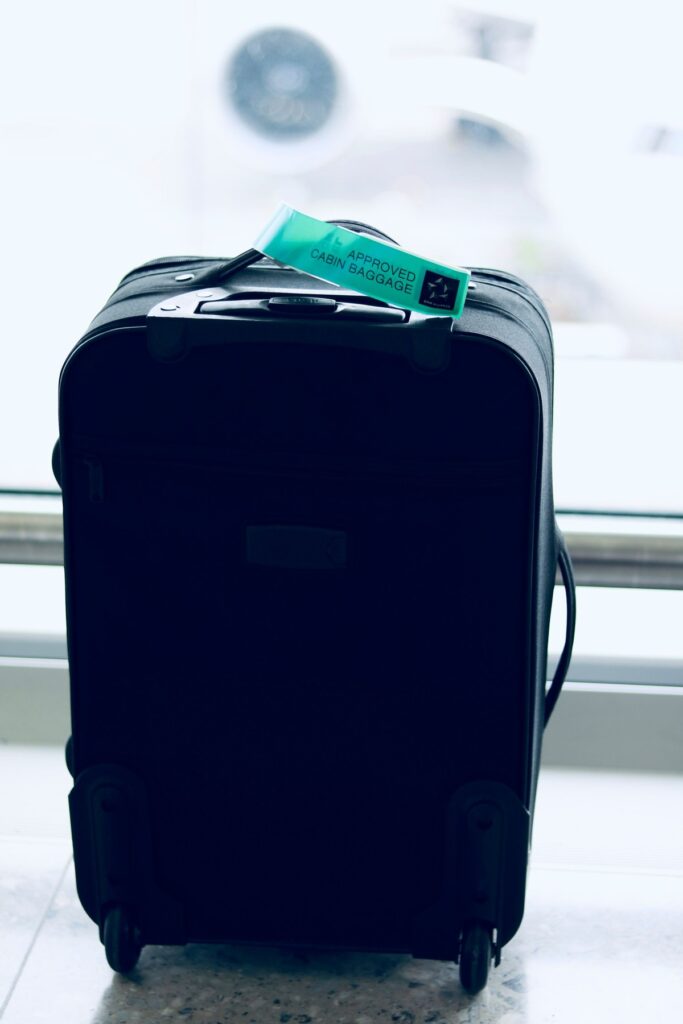
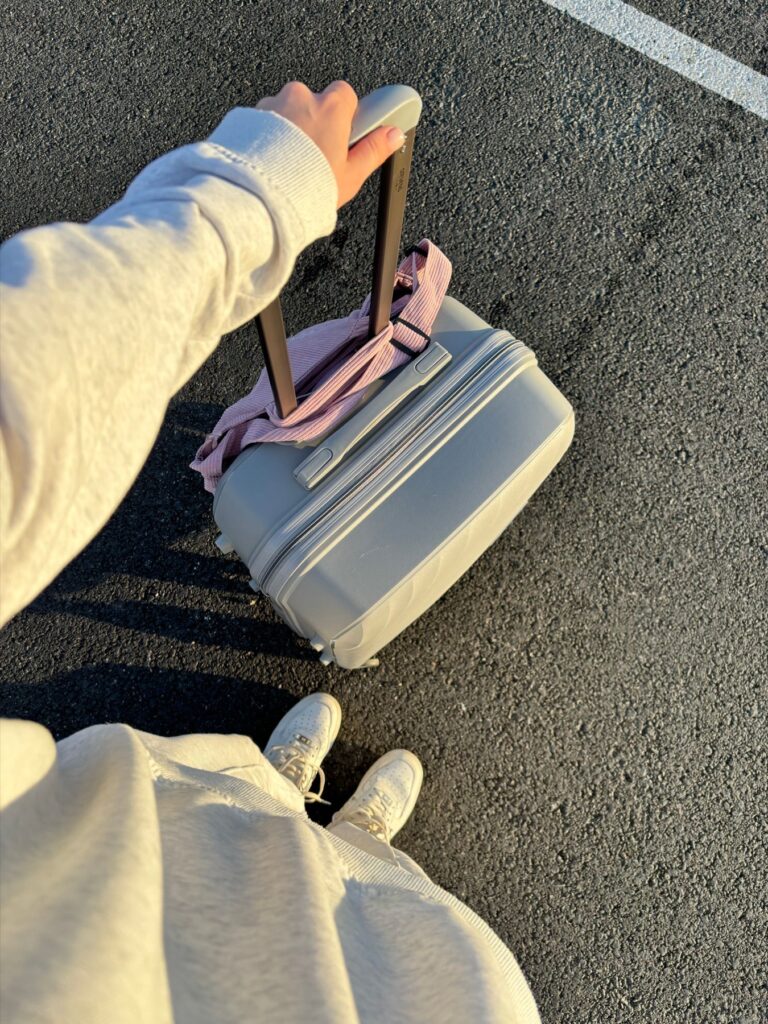
A suitcase is often described by the size of its case. The size that matters at the gate includes the wheels and the handle.
Travelpro, for example, publishes 19 x 15 x 7.75 inches for the case of its Maxlite 5 International Carry-On Spinner and 21.75 x 15.75 x 7.75 inches overall, including wheels and carry handles. That is about 55.2 x 40 x 19.7 cm. On those figures the width is above Air France’s 35 cm limit, and the height is a few millimetres over the 55 cm on Lufthansa’s page, which does not say whether wheels and handles are counted. The bag also expands by up to 2 inches, which would take its depth beyond Lufthansa’s 23 cm. Published figures are rounded, so a margin that small is a reason to measure your own bag, not a verdict.
The method is the point. Compare the overall measurements with the strictest rule on your itinerary, with the bag packed and, if it expands, with the expansion closed.
Weight comes before you pack
A carry-on’s empty weight counts against the limit you are given. Lufthansa allows 8 kg for the carry-on item. A suitcase that weighs 2.4 kg empty leaves about 5.6 kg for your things. One that weighs 4.5 kg empty leaves about 3.5 kg.
Weight matters on the train too, because the lifting is yours. Eurostar’s US site says there is no weight limit on luggage, and Deutsche Bahn lets you take one additional larger piece free of charge if one person can carry it alone. Neither rule helps if the suitcase is already heavy when empty.
What trains ask of a suitcase
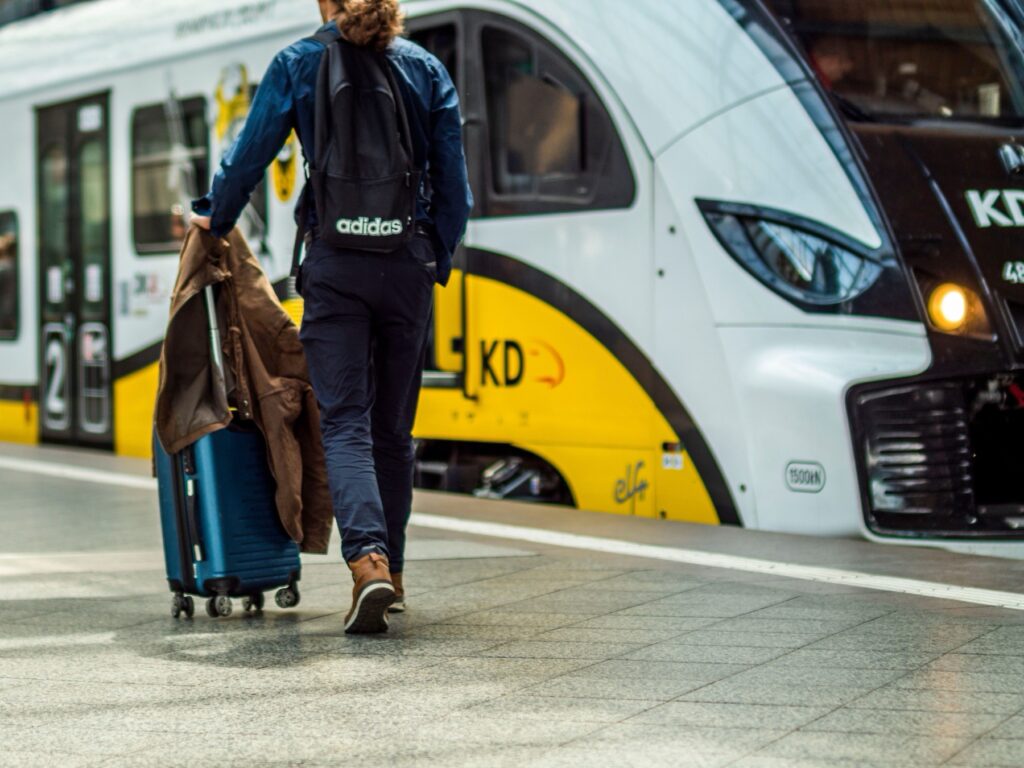
On many rail routes, luggage size rules are more flexible than on planes, but passengers still have to carry and stow their own bags.
Eurostar allows bags up to 85 cm long on routes to and from London and 75 cm on all other routes, with two pieces of luggage and one piece of hand luggage on Standard and Plus tickets. Luggage goes in racks or on overhead shelves near your seat. Deutsche Bahn does not give a size limit on that page. It says its luggage racks were designed around 70 x 50 x 30 cm and that items almost always fit, which describes the space rather than an allowance. All four bags below are shorter than Eurostar’s 75 cm and, unexpanded, fit within those rack dimensions.
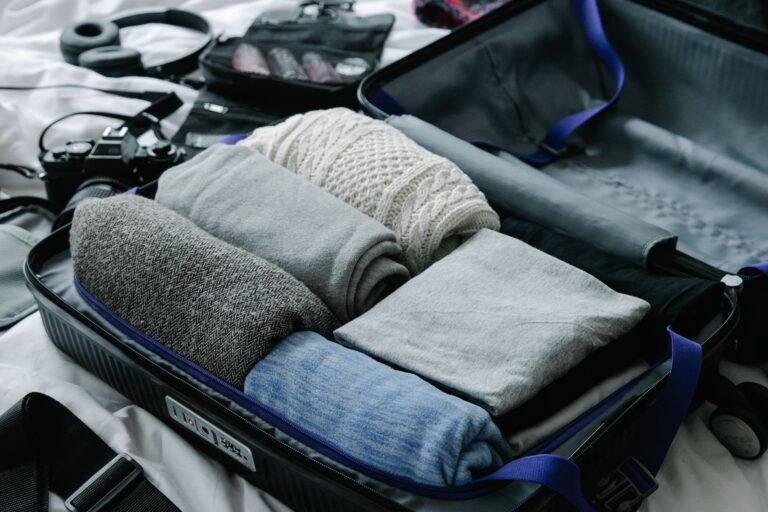
Being able to lift a packed bag onto the luggage rack matters as much as the published dimensions. Once the bag is chosen, packing cubes can help keep a small suitcase organised, though they add a little weight of their own and are not essential.
Spinner, two-wheel or duffel
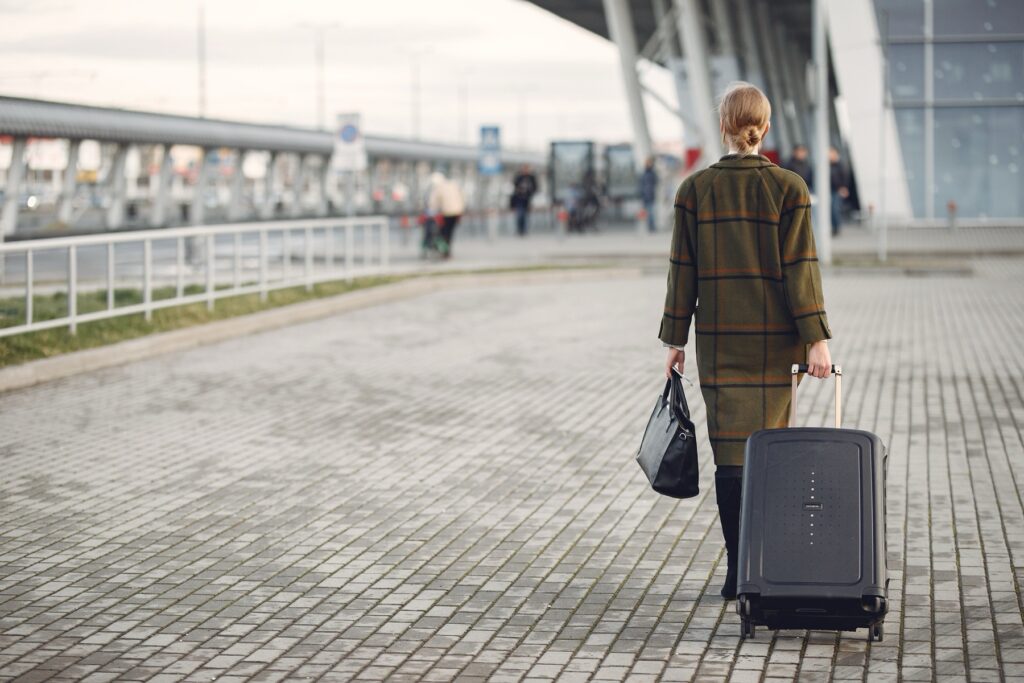
A spinner has four wheels that turn in any direction, so it can be pushed, pulled or rolled beside you. A two-wheel suitcase is pulled behind you on its two wheels and has to be tilted. A wheeled duffel adds backpack straps, which can free your hands on stairs, at the cost of a softer shape.
None of these is best for everyone. The right choice depends on how often you will climb stairs, how far you will walk with the bag and how strictly your airline measures it.
Four models, four trade-offs
Each of these suits a different priority. They are not ranked, and Traveleak has not tested them. The figures are the ones each maker publishes for that model, and prices are left out because they change.
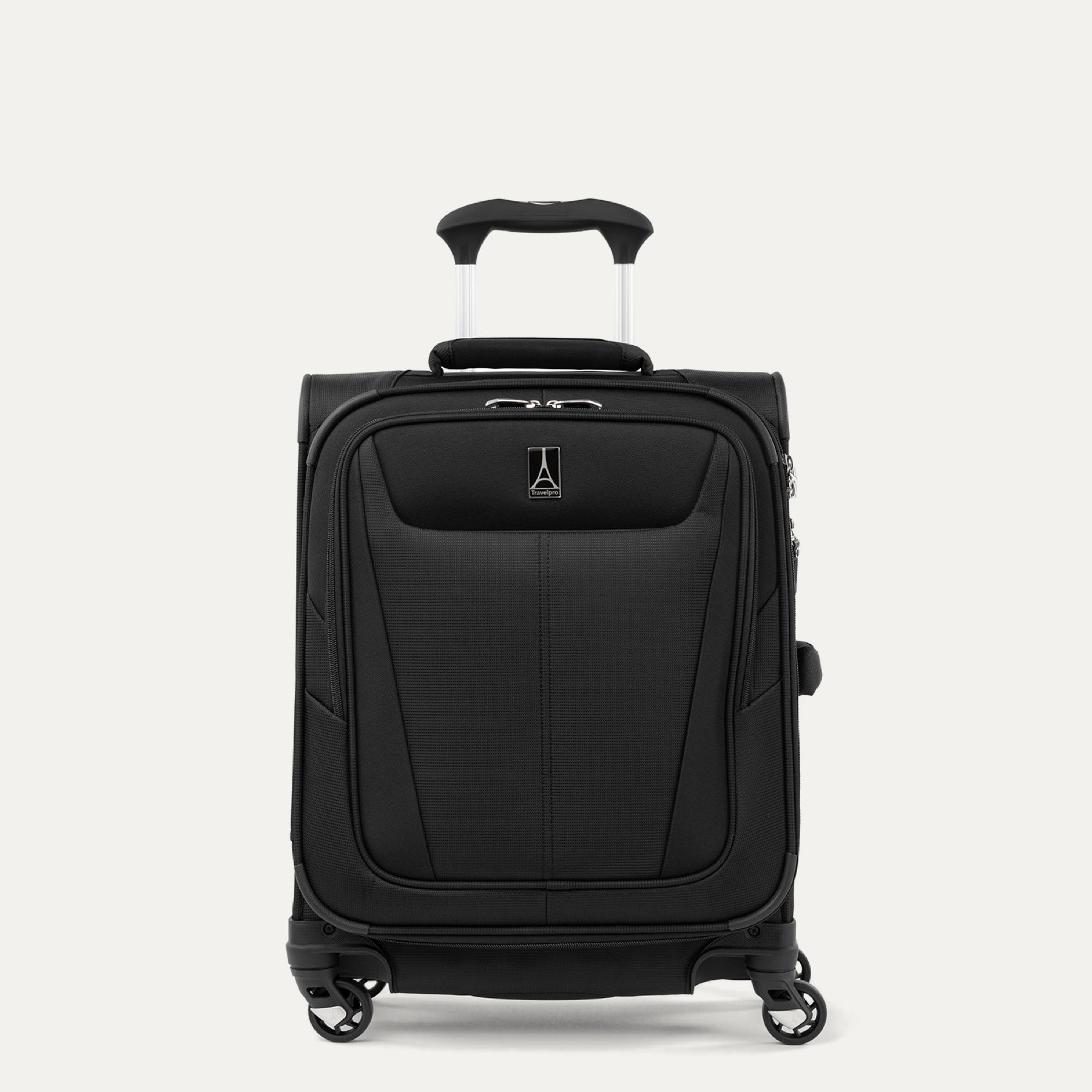
Travelpro Maxlite 5 International Carry-On Spinner suits a traveller who wants a lower empty weight in a four-wheel suitcase. It weighs 5.3 lb, about 2.4 kg against 4.5 kg for the Briggs & Riley below, and holds 39 litres, with 360-degree spinner wheels and a handle that locks at 38 and 42.5 inches. The fabric is polyester with a coating that resists water and stains. The trade-offs are its 40 cm width against Air France’s 35 cm limit and an expansion of up to 2 inches that takes it past Lufthansa’s depth.
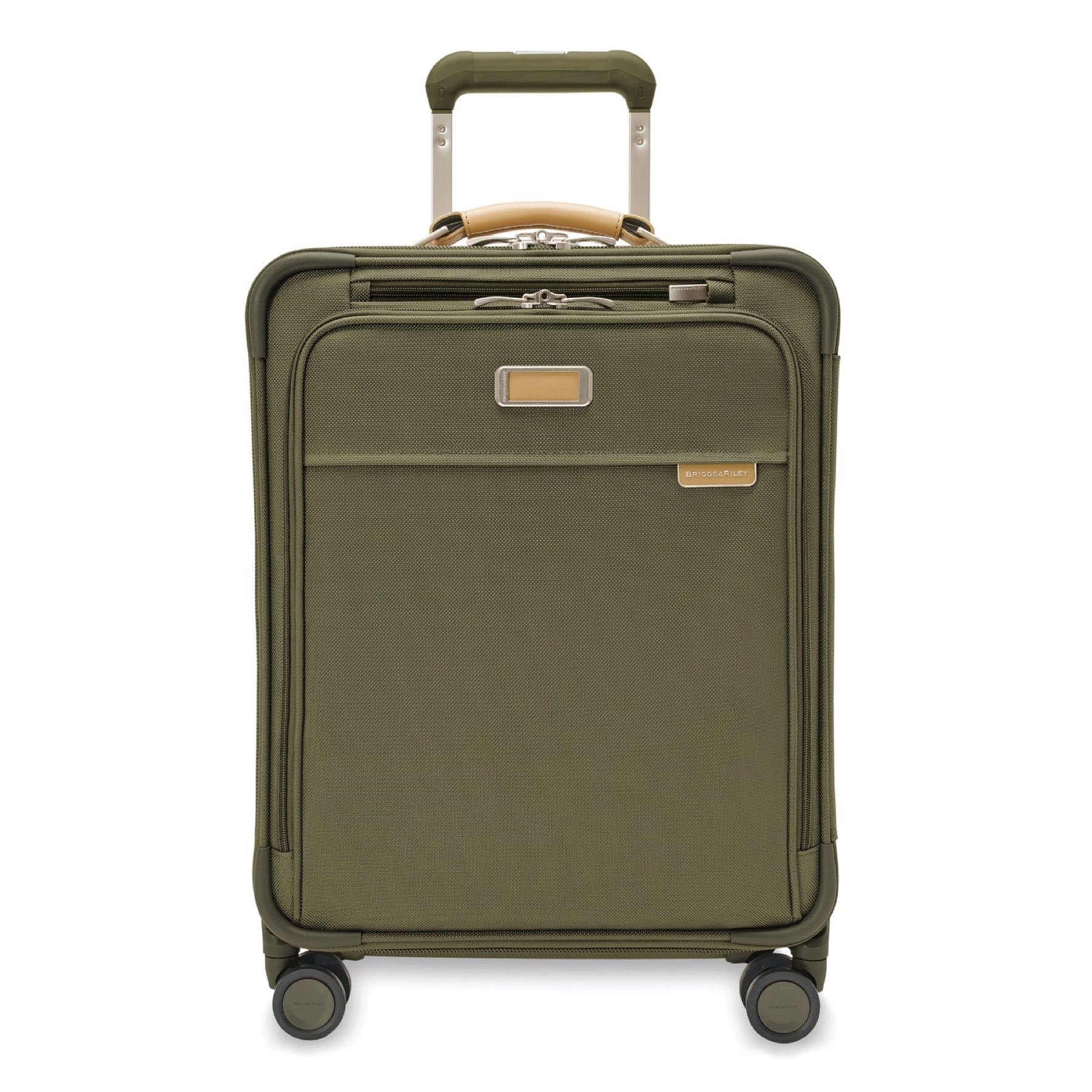
Briggs & Riley Baseline Global 21-inch Carry-On Expandable Spinner suits a traveller who wants a sturdier, more structured bag and a wider range of capacity. It measures 21 x 15 x 9 to 11.5 inches (53.3 x 38.1 x 22.9 to 29.2 cm) outside, holds 37 to 49 litres depending on expansion, and is made of ballistic nylon with a built-in garment folder. Briggs & Riley’s page lists a lifetime guarantee, and its terms are worth reading before you buy. The trade-off is weight: 9.9 lb (4.5 kg) empty, which leaves about 3.5 kg of Lufthansa’s 8 kg. Its 38.1 cm width is also above Air France’s limit. The brand lists a two-wheel version of the same bag at 9.7 lb (4.4 kg).
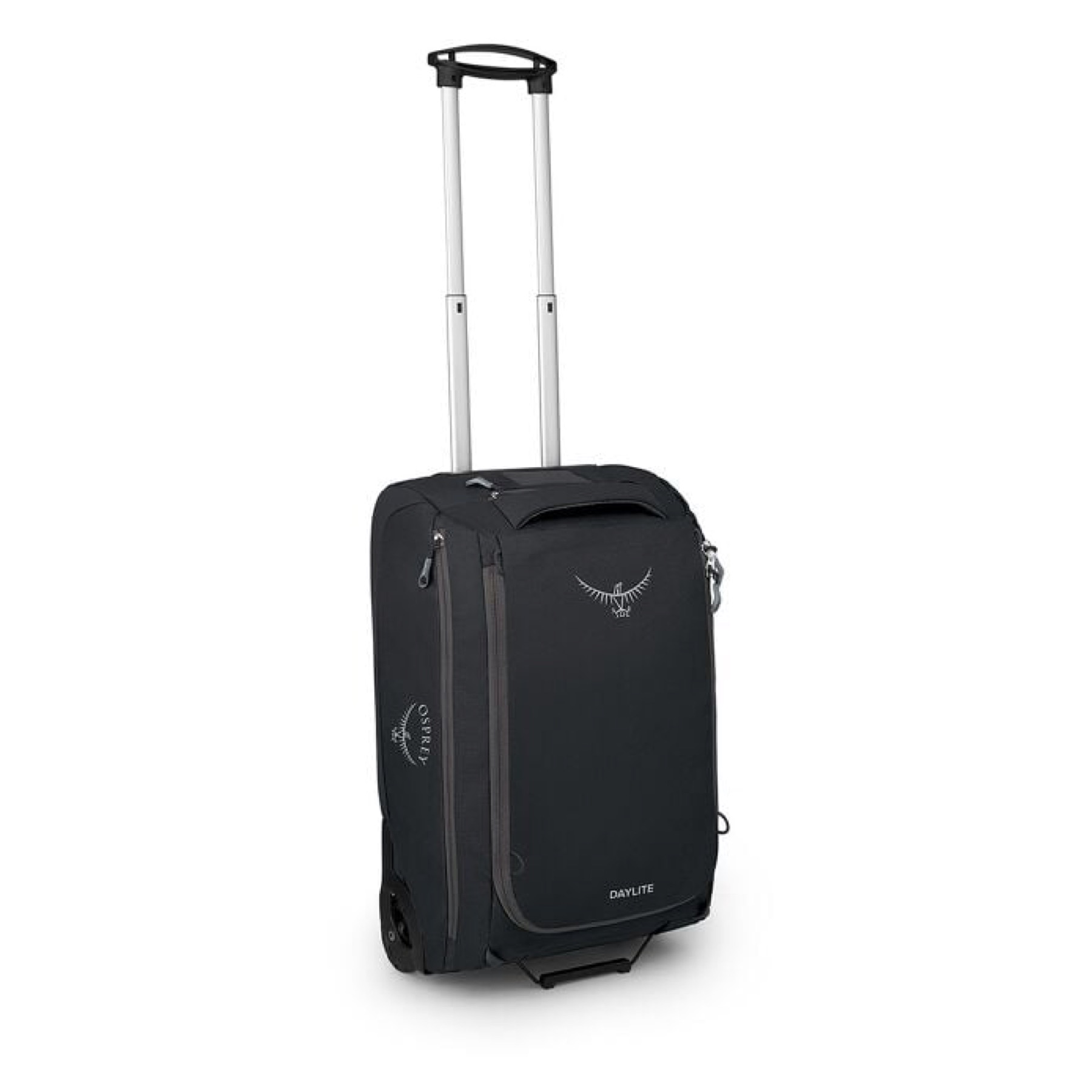
Osprey Daylite Carry-On Wheeled Duffel 40 suits a traveller who expects stairs, cobbles or long walks and would like the option of carrying the bag on the back. It is a 40-litre duffel on two 3-inch inline skate wheels, with detachable backpack straps, an aluminium push-button trolley handle and a design that collapses for storage. It measures 22.6 x 14.2 x 9.1 inches (57.5 x 36 x 23 cm), which is taller than the 55 cm limits of Lufthansa and Air France. Osprey’s page makes a general statement about airline carry-on requirements, but it does not say whether the measurements include the wheels and handle, so it says nothing about either airline here. Its weight is left out because the page lists two different figures.
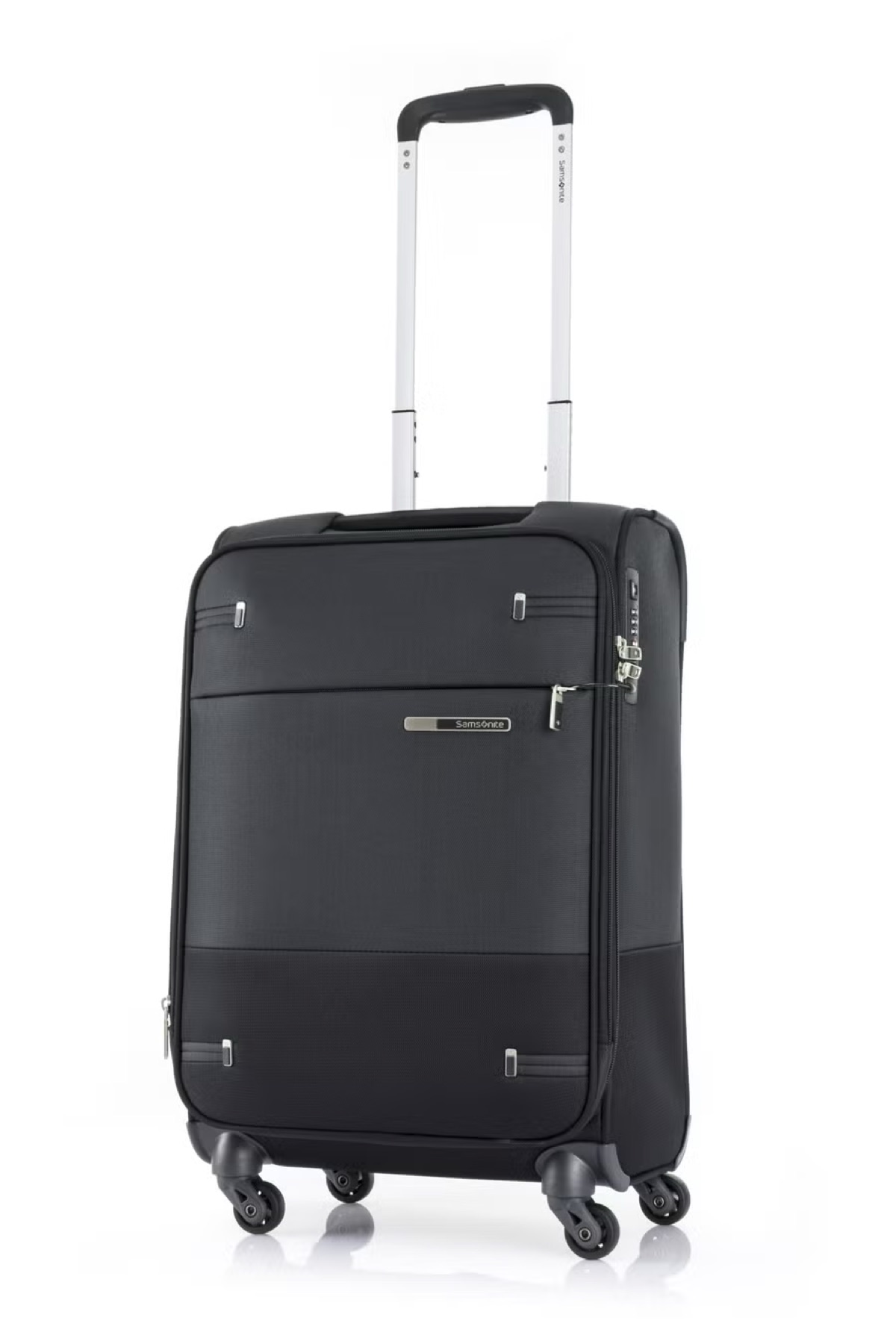
Samsonite Base Boost Spinner 55/20 Exp suits a traveller whose priority is a bag that stays within the published limits of both airlines above. Samsonite’s Hong Kong page lists it at 55 x 35 x 22 cm, described as outside dimensions including handles, wheels, bottom glides and side pockets. That is within Lufthansa’s 55 x 40 x 23 cm and Air France’s 55 x 35 x 25 cm, with no room to spare in height or width. It weighs 2.1 kg and holds 34 litres, with a 3-year limited warranty. The trade-off is the expansion: the page lists an expandable depth of 26 cm, which is beyond both limits, so the expansion has to stay closed. The figures come from Samsonite’s Asia-Pacific pages, not a US or European one, and the page says measurements are for reference, so confirm the version sold where you buy.
Before you buy
- List the airlines, trains and fares you will use, and find each one’s current carry-on rule on its own page.
- Take the smallest figure for each of length, width and depth.
- Compare it with the overall size of the exact model, including wheels and handles, with any expansion closed.
- Subtract the empty weight from the lowest weight limit.
- Check that you can lift the packed bag onto a rack by yourself.
Rules for cabin bags come from the airline or railway that carries you. The size and weight of a suitcase come from its maker, so check them on the page for the exact model and version you are buying.
Baggage rules: Lufthansa, Air France, Eurostar, Deutsche Bahn.
Product specifications: Travelpro Maxlite 5, Briggs & Riley Baseline, Briggs & Riley Baseline 2-Wheel, Osprey Daylite 40, Samsonite Base Boost.