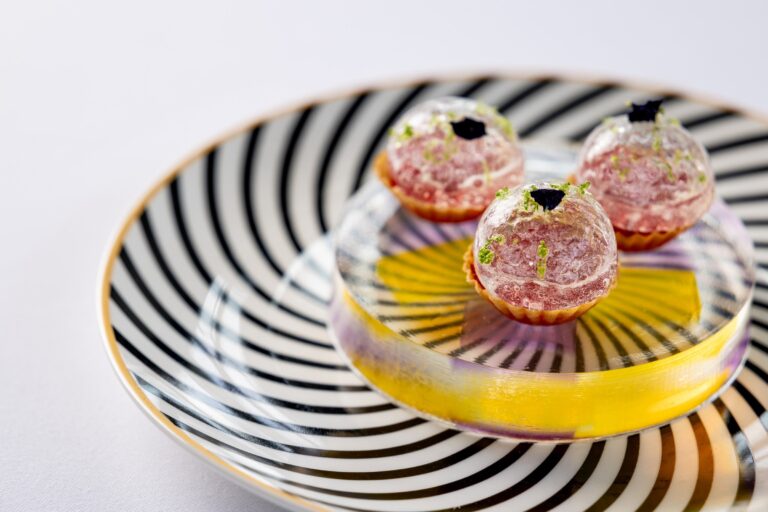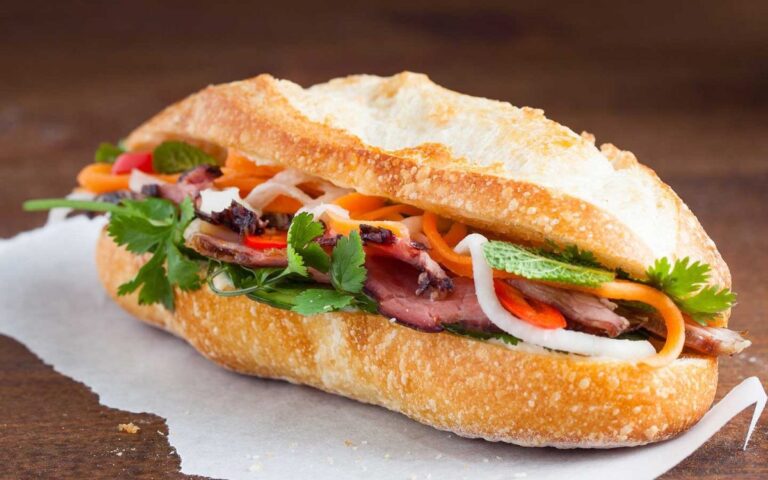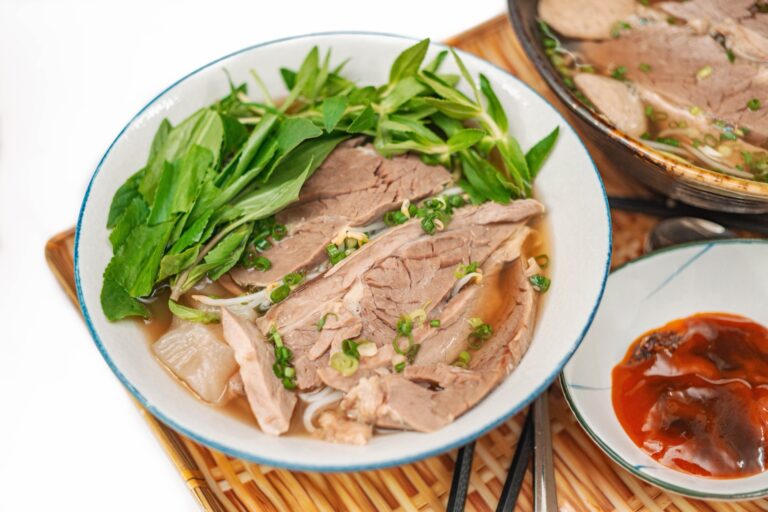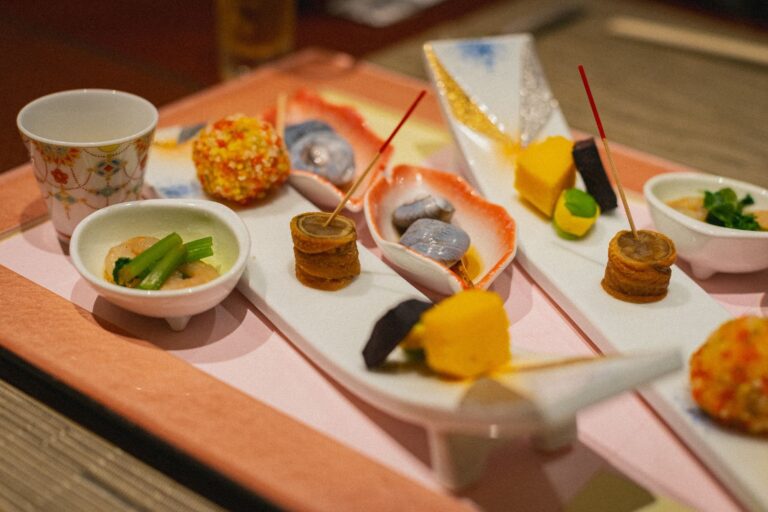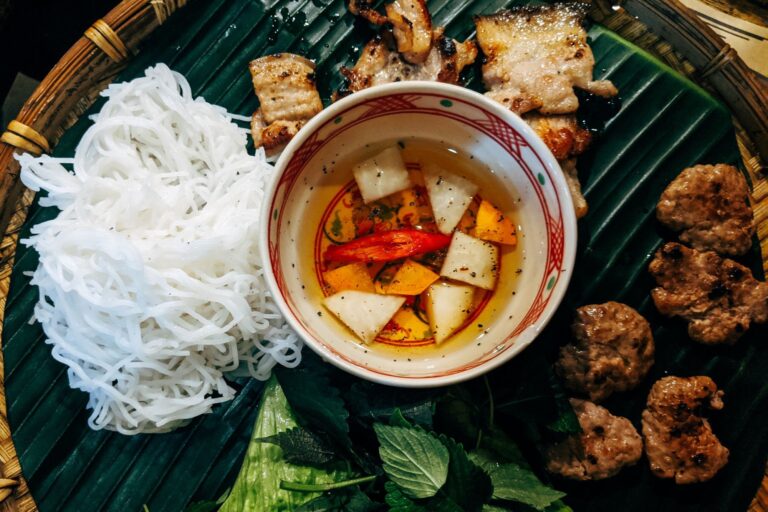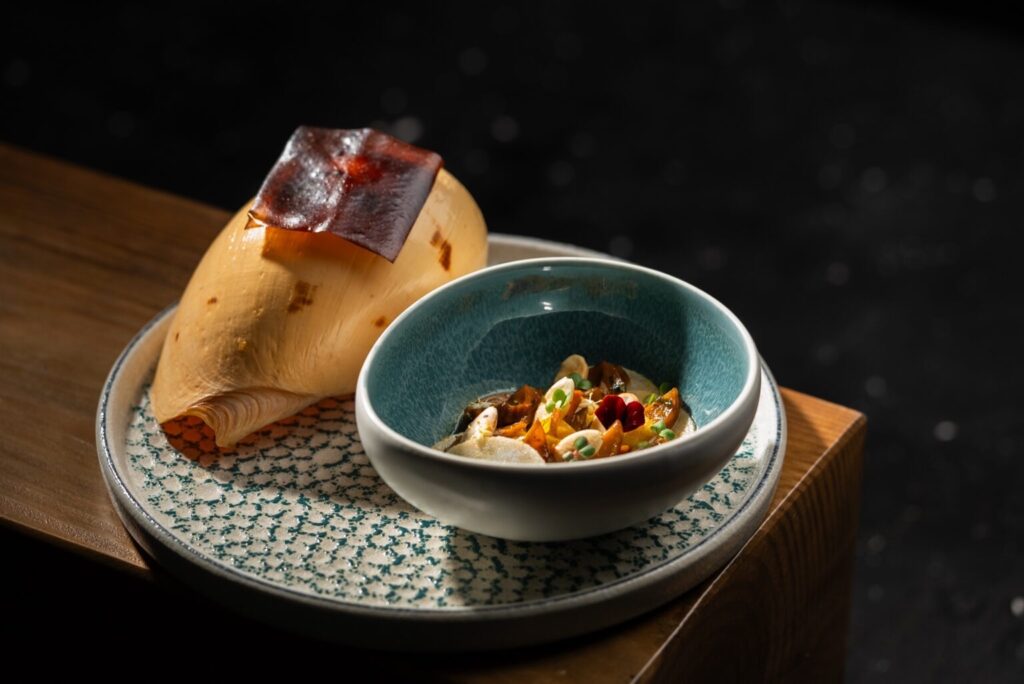
Grouper is paired with tương Bần, a Vietnamese fermented soybean paste. Beef tongue appears alongside củ nén and cassava. These familiar Vietnamese ingredients feature on the menu at Nén Danang, brought together in combinations developed by the kitchen.
Here, a dish is introduced through more than its name. Illustrated Chef’s Notes accompany the courses, offering insights into the ingredients and ideas behind the food.
Founded by chef Summer Le in 2017, Nén Danang is located on My Da Tay 2 Street in the Ngu Hanh Son area of Da Nang. The restaurant explores contemporary Vietnamese cuisine through a format called the Sto Menu, in which a series of small courses is connected by an overarching theme.

The exterior of Nén Danang.
Vietnamese Ingredients, New Combinations
Nén sources ingredients from suppliers across Vietnam while also using produce grown in its own gardens.
These growing areas provide herbs, edible flowers and certain fruits, and serve as places for the kitchen to explore ingredients.
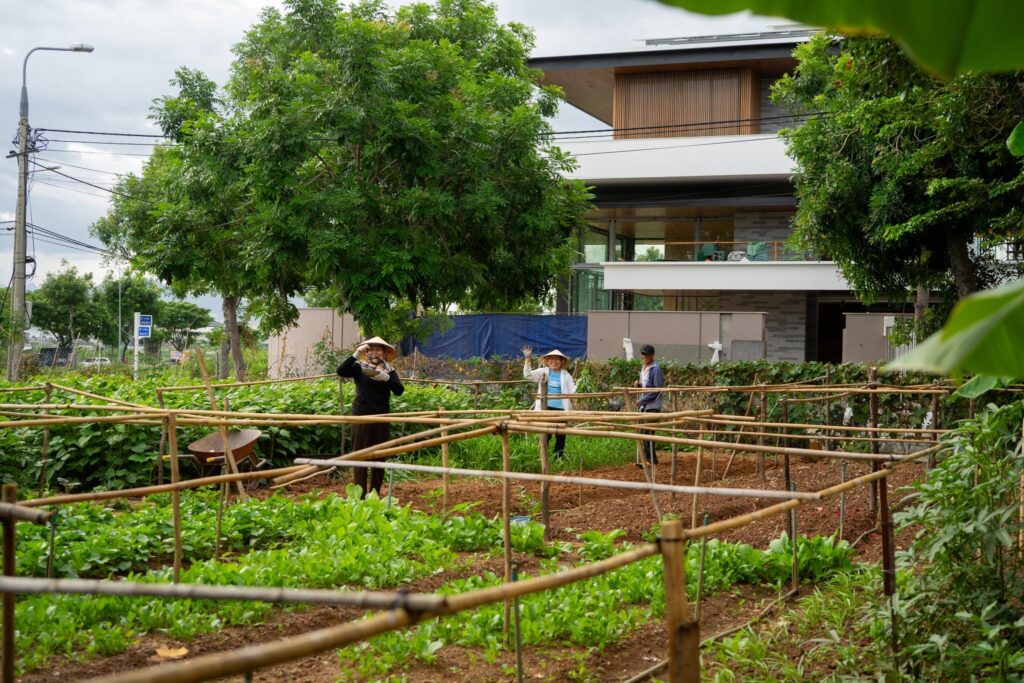
Nén Farm and the neighbouring house.
In 2024, Nén Danang received a MICHELIN Green Star, a distinction recognising efforts and commitments towards sustainable gastronomy.
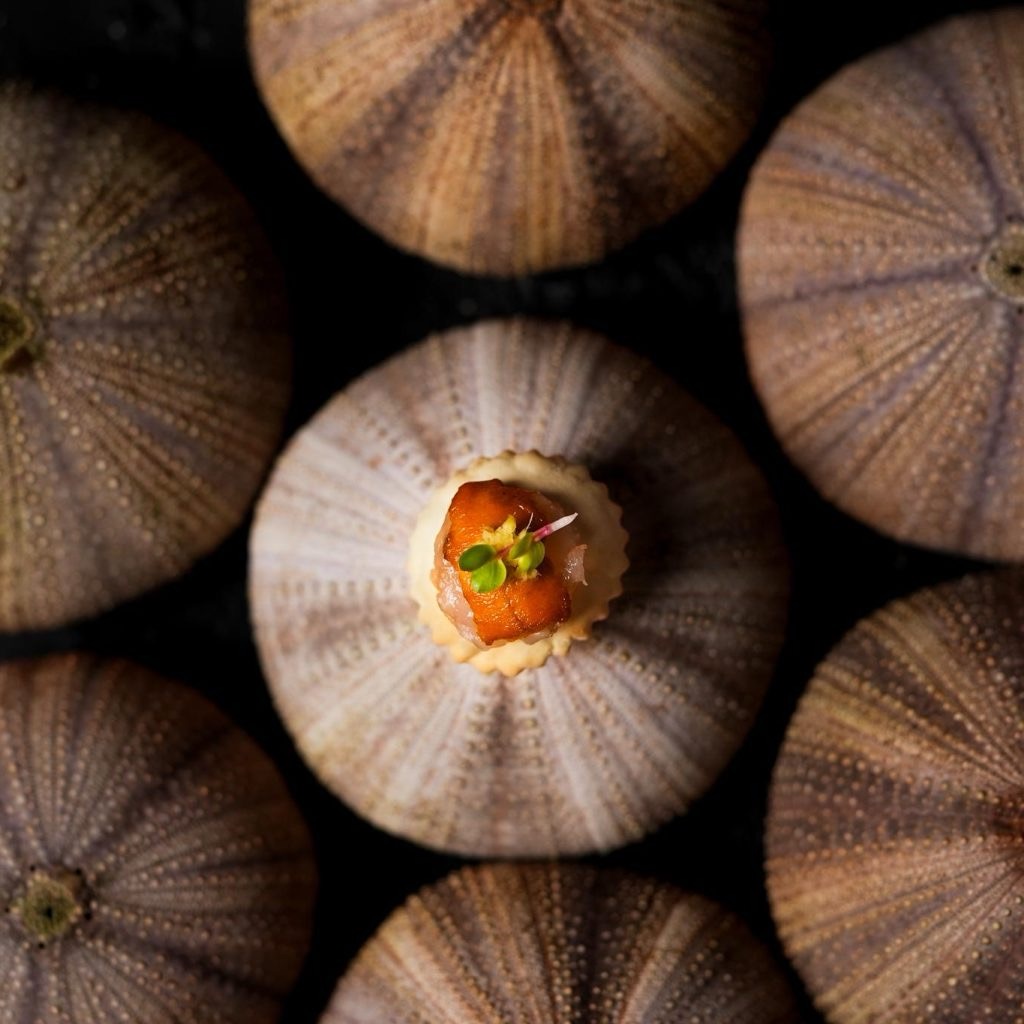
A small bite served on a sea urchin shell.
Summer Le also takes an interest in cuts of meat that have long been familiar in Vietnamese cooking. In a reflection on beef tendon published on Nén’s website, she discusses tongue, tail and tendon as ingredients with their own place in Vietnamese food culture, rather than concentrating solely on cuts commonly used for steaks.
In a recipe published by the MICHELIN Guide in 2024, Le used Vietnamese herbs and roasted cashews to prepare a pesto, pairing it with mì Quảng noodles and grilled abalone.
Pesto is traditionally associated with Italian cuisine, but Vietnamese herbs form the basis of the sauce in this preparation. Mì Quảng and abalone are brought together in a dish that takes a different approach to familiar ingredients.
This is an example of a dish previously presented by Nén, not one confirmed to be available on its current menu.
Sto Menu and the Stories at the Table
At Nén, the Sto Menu takes diners through a sequence of dishes developed around a shared theme.
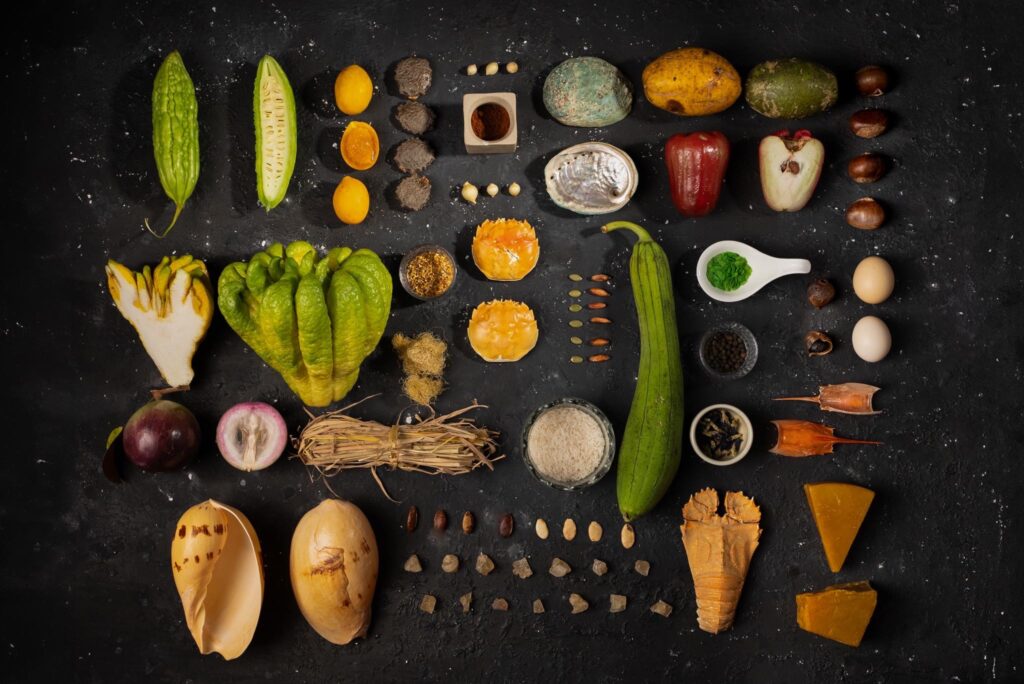
Ingredients from the Sto:ry Menu presentation.
In the menu displayed on the restaurant’s website at the time of editorial review in October 2026, a grouper dish called Soy, Salt and Sun featured tương Bần among its ingredients.
Another dish, The Depth of Nén, combined beef tongue with củ nén and cassava. The menu also included prawns with coconut heart and termite mushrooms.
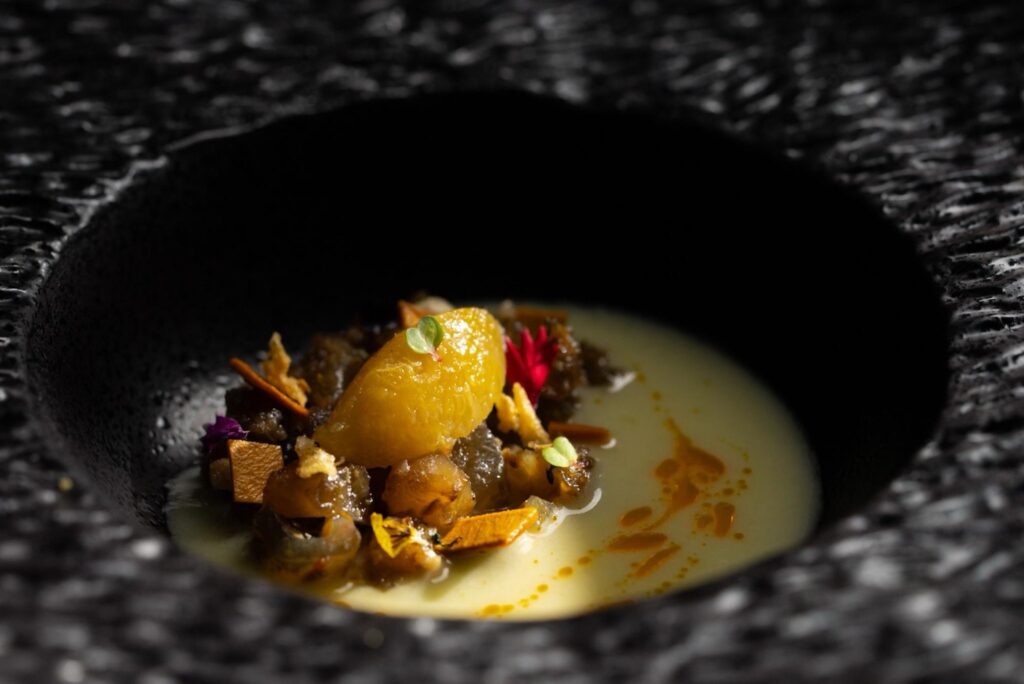
A dish in a dark, textured bowl.
Rather than ordering individual dishes independently, guests are served the courses in a planned sequence. Each dish comes with an introduction from the staff, accompanied by illustrated Chef’s Notes that provide additional context.
Diners can examine the food, read the accompanying notes and learn about the ingredients and ideas behind each preparation.
Dish names, ingredients and combinations may change between menu editions.
Taking Time for the Full Menu
A meal at Nén Danang follows a sequence of courses, with time set aside for serving and introducing each dish.
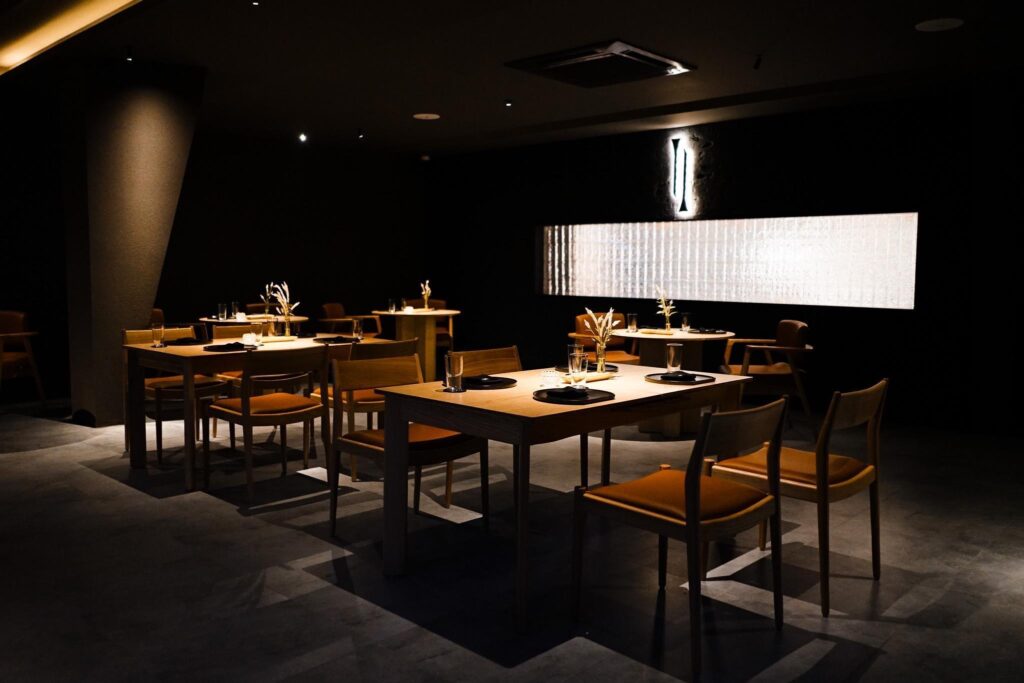
The dining space at Nén Danang.
The restaurant recommends allowing approximately two and a half hours for the experience. The actual duration may vary depending on the menu and pace of service.
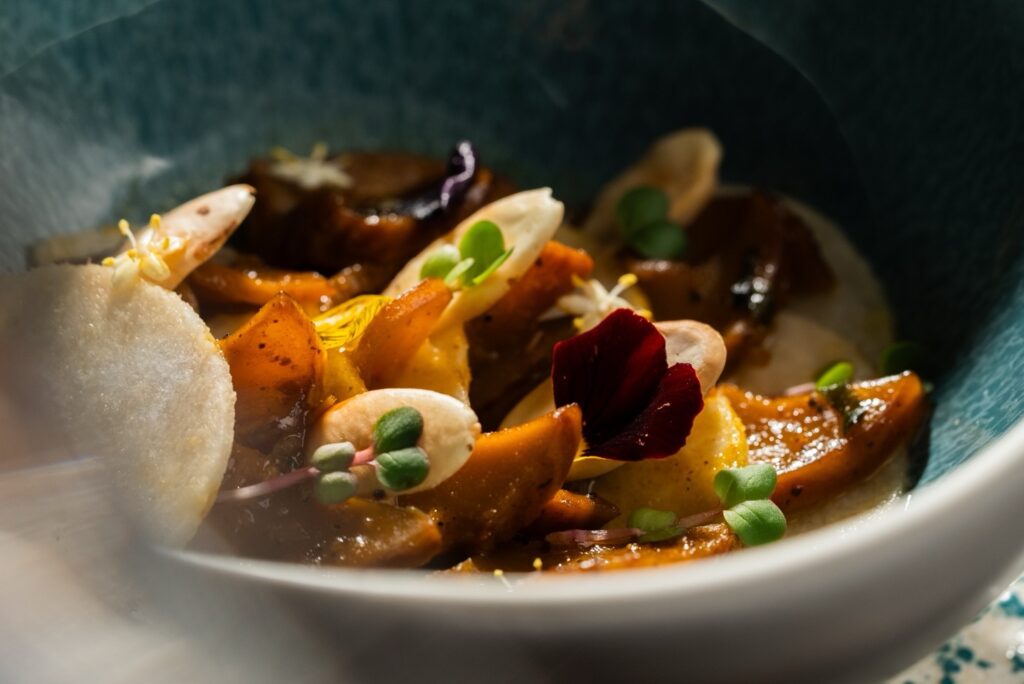
A close view of a dish in a bowl.
Nén offers shorter and longer menus, including both regular and vegan versions. Non-alcoholic drink pairings are also available alongside alcoholic beverages.
With a multi-course menu, allergies and dietary restrictions should be discussed in advance. In its reservation guidance, Nén specifically asks guests with seafood allergies to clarify whether they can consume fish sauce.
The current menu and seating arrangements for guests with different dietary preferences should also be confirmed directly with the restaurant when booking.
At Nén Danang, a story might begin with a small ingredient such as củ nén, a traditional fermented soybean paste or a handful of Vietnamese herbs. Across successive courses, these ingredients take on new combinations, accompanied by explanations and illustrated notes at the table.
Sources: Nén Danang · MICHELIN Guide
Image source: Nén Danang