Language
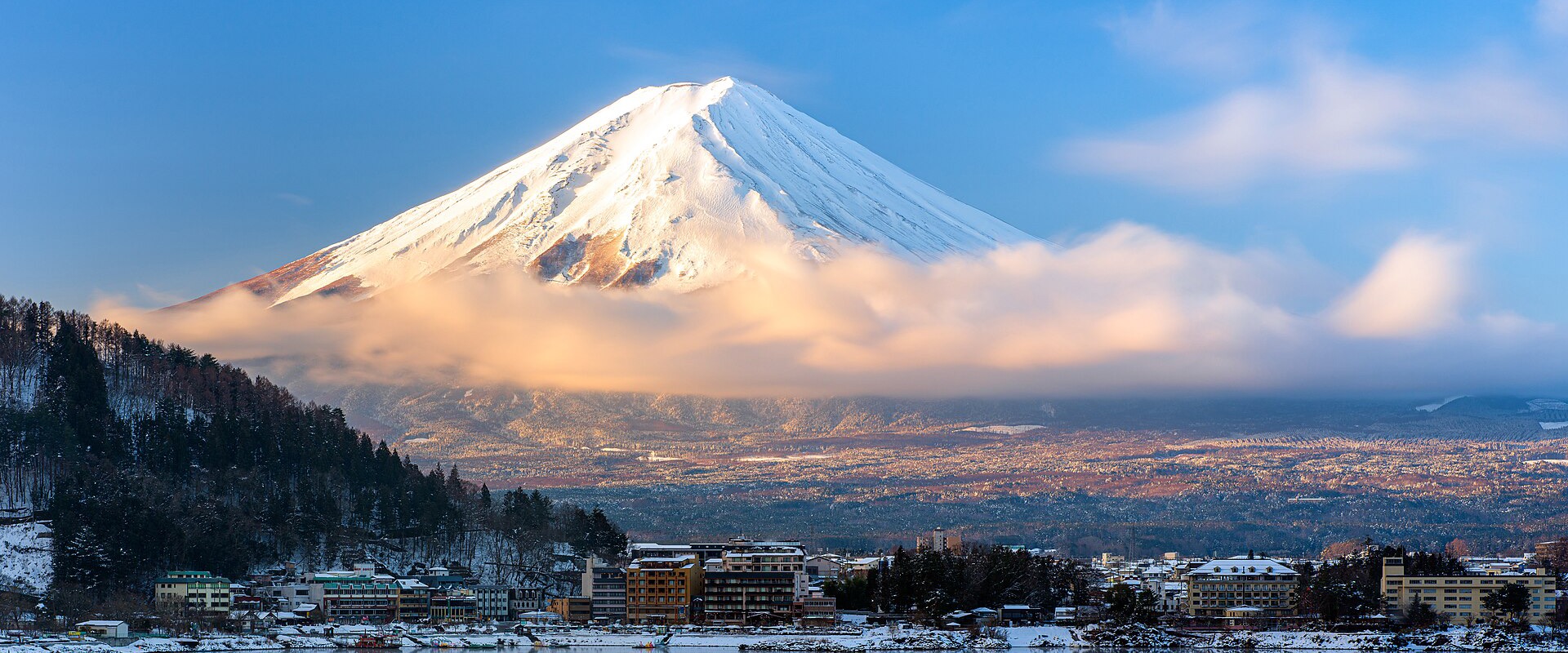
Snow-covered Mount Fuji above a band of cloud at sunrise, seen across Lake Kawaguchi

Japan

Explore Japan, from the vibrant streets of Tokyo to the historic charm of Kyoto. Discover where to stay, what to eat, and the rich culinary traditions that make Japan such a fascinating destination.


Hotels|Hakone, Japan

HOTEL THE MITSUI HAKONE to Open on 15 December 2026

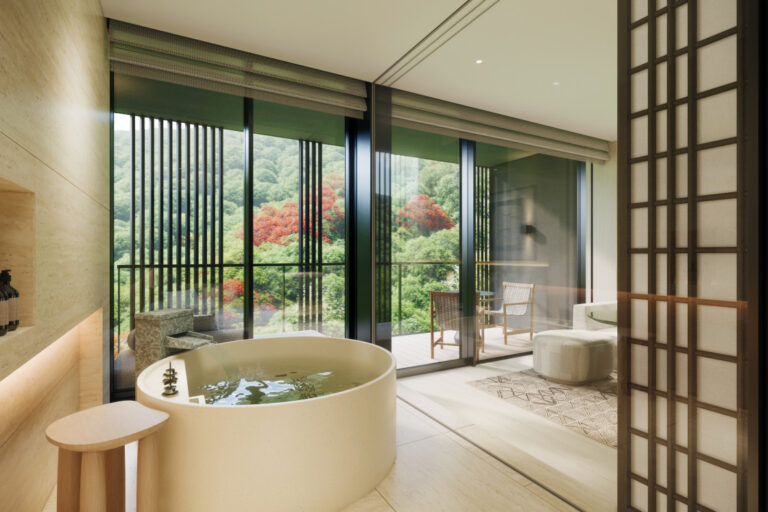
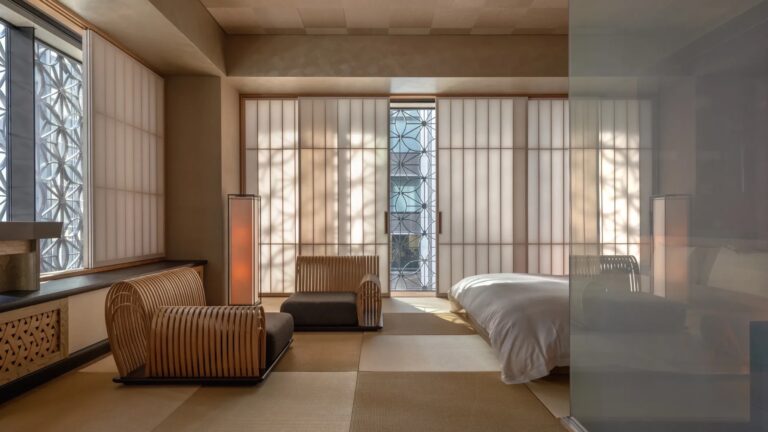
The second HOTEL THE MITSUI stands in the forest of Kowakudani, where Mitsui family villas once stood, with 126 rooms, each with a bath fed by the on-site hot spring.

Hotels|Tokyo, Japan

mesm Tokyo: Music, Fashion and a View of Tokyo Bay

High above the waterfront at WATERS Takeshiba, Wilson Associates draws on the movement of waves and the surrounding bay in its interior design, while music finds its way into every guest room.

Hotels|Tokyo, Japan

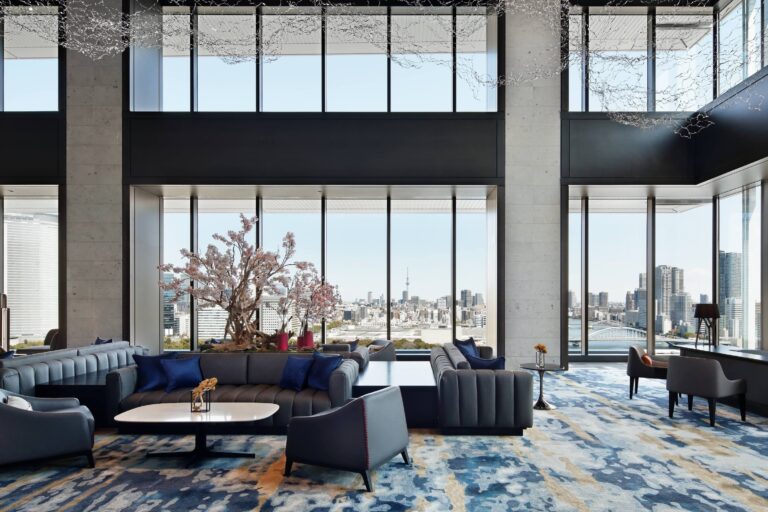
The Tokyo EDITION, Toranomon: Kengo Kuma’s Temple-Inspired Design

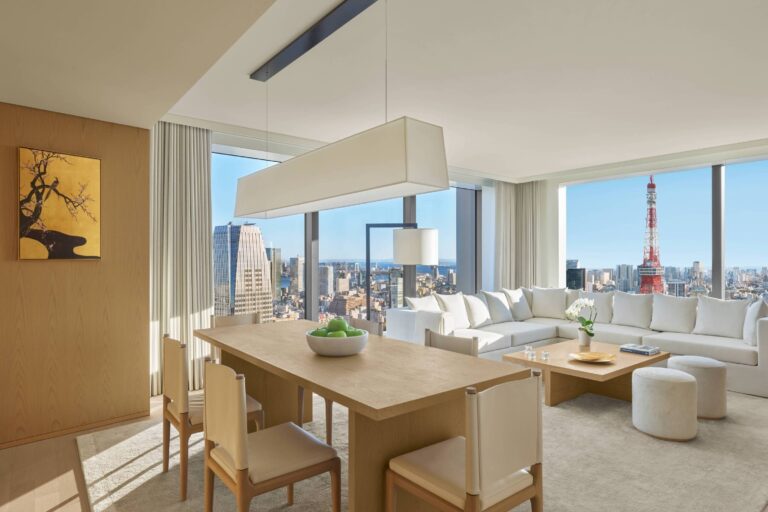
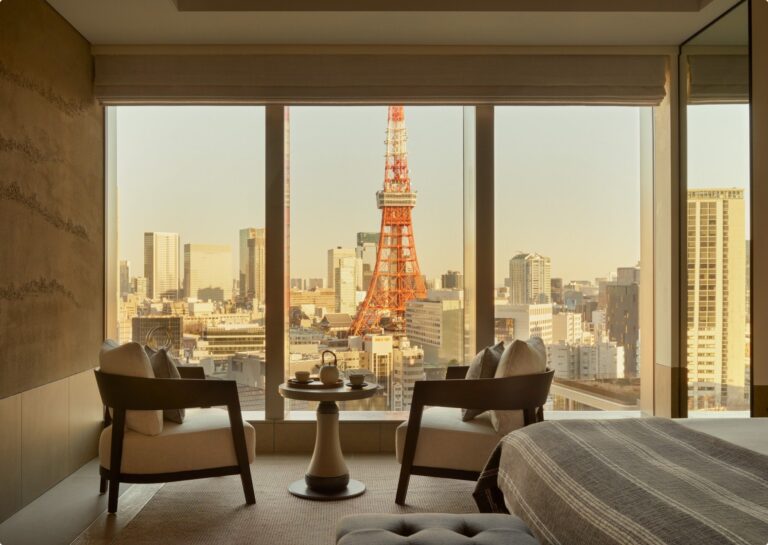
Ian Schrager and Kengo Kuma created a double-height lobby filled with greenery high above Toranomon, with views towards Tokyo Tower.

Hotels|Tokyo, Japan

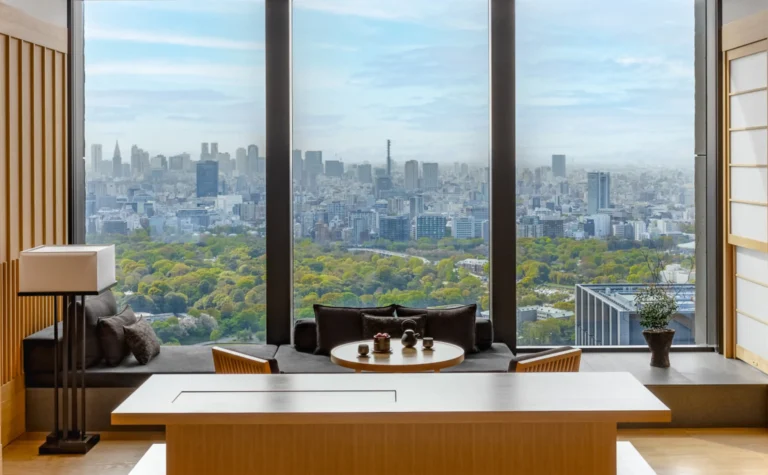
Four Seasons Hotel Tokyo at Otemachi: Imperial Palace Garden Views Above Tokyo’s Financial District

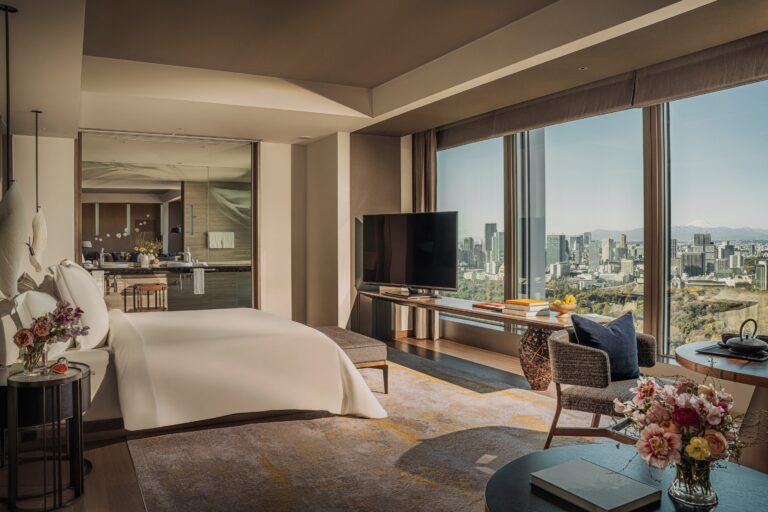
Occupying the top six floors of a tower in Otemachi, this 190-room hotel places its restaurants, bars and swimming pool high above the city, with views towards the grounds of Tokyo's Imperial Palace.

Trains|Kyushu, Japan

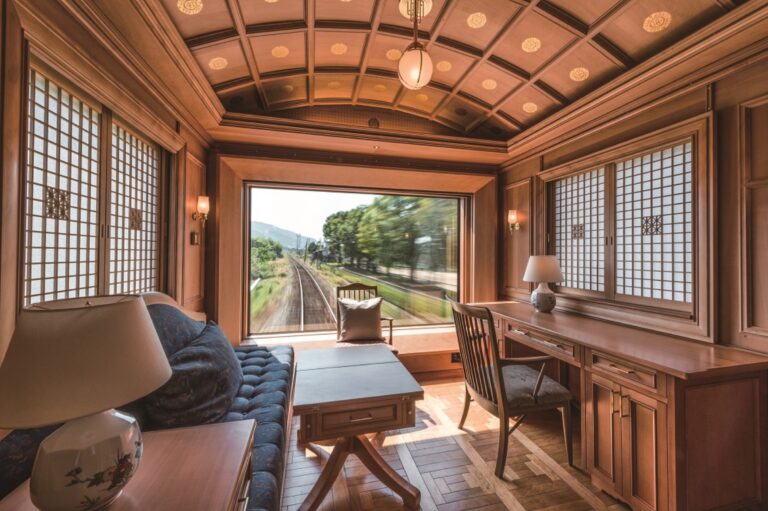
Seven Stars in Kyushu: The Story Behind the Wooden Joints

From the wooden joints in its carriages to the ceramics on the dining table, Seven Stars in Kyushu opens onto the story of the island's craftspeople and their traditions.

Trains|Tokyo, Japan

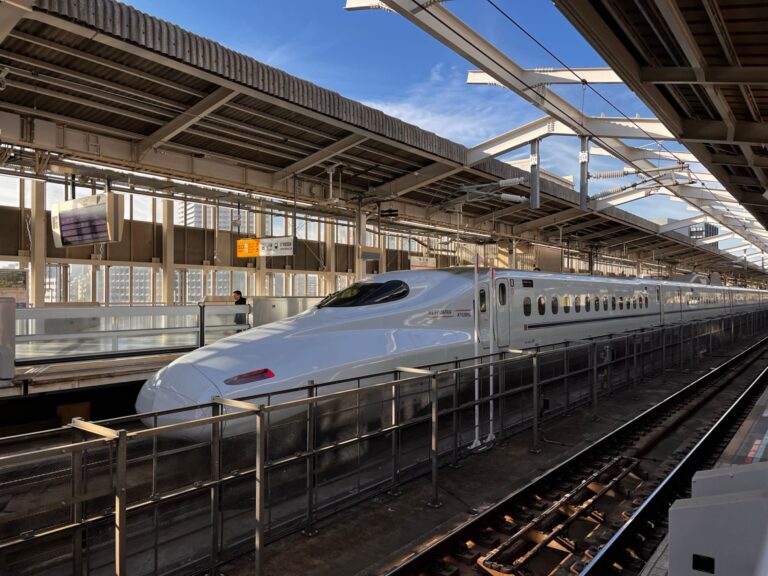
Tokyo to Kyoto by Shinkansen: A Little Over Two Hours on the Tokaido Line

From choosing between Nozomi and Hikari to finding the seat with a view of Mount Fuji, a few details are worth knowing before you book.

Hotels|Kyoto, Japan

The Imperial Hotel, Kyoto: The 1936 Gion Theatre That Became a Luxury Hotel

In Gion, The Imperial Hotel, Kyoto opened in 2026 inside Yasaka Kaikan, a 1936 theatre beside Gion Kobu Kaburenjo, keeping its tiled walls, terracotta reliefs and tiered copper roofs that recall a castle.

Hotels|Tokyo, Japan

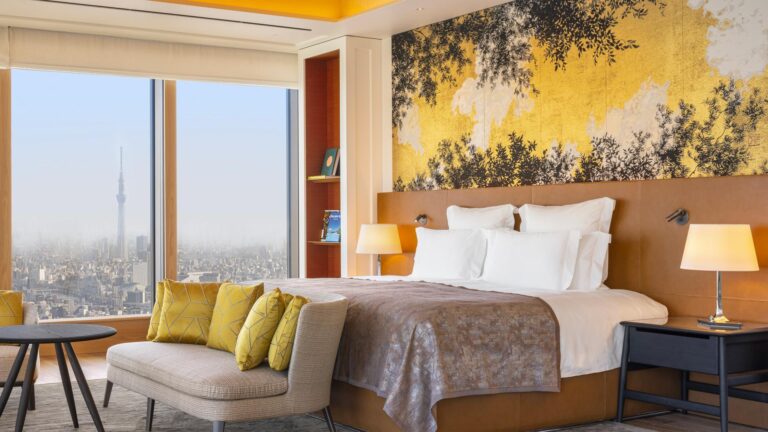
Janu Tokyo: When Aman Chooses Connection Over Seclusion

The first hotel under Janu, a brand of Aman Group, is located in Azabudai Hills and built around a different idea from Aman: bringing people together to socialise, exercise and dine.

Hotels|Tokyo, Japan

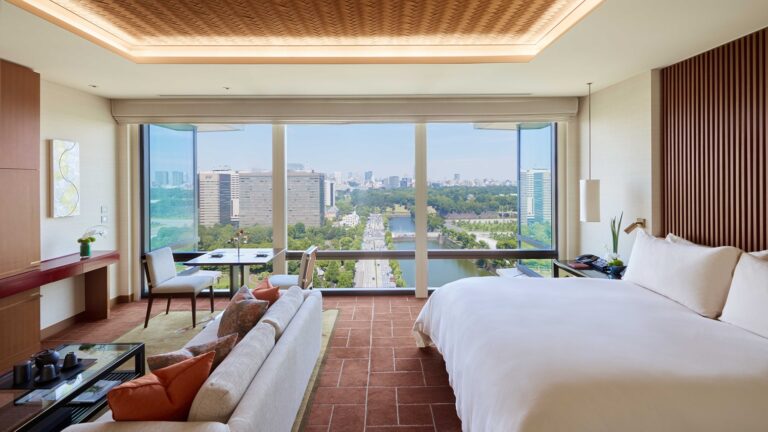
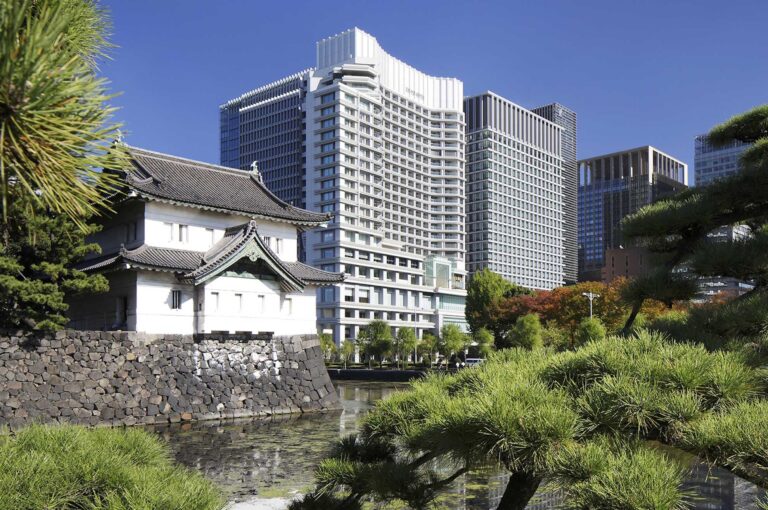
Palace Hotel Tokyo: A Front-Row Seat to the Imperial Gardens

Beside Wadakura Moat in Marunouchi, every room at Palace Hotel Tokyo faces the Imperial Palace gardens, on a site that has held three hotels since 1947.

Japan|Japan

Japanese Food: Dishes and Dining Traditions Worth Exploring

Japanese cuisine encompasses many distinct traditions, from the preparation of fish for Edomae sushi and the different ways of enjoying hitsumabushi to the layers of cabbage in Hiroshima-style okonomiyaki and the carefully arranged sequence of a kaiseki meal. Behind these familiar dishes lie stories of history, ingredients and the ways meals are prepared and enjoyed in Japan.

Japan|Japan

Japanese Food Culture: Beyond the Plate

From rice and soup to seasonal ingredients, the choice of tableware and dining customs, Japanese food culture is shaped by traditions rooted in family life, nature and the annual calendar of festivals.

Cuisine|Tokyo, Japan

What to Eat in Tokyo: From Edo Cuisine to the City’s Signature Dishes

Edomae sushi, tempura, soba and many of Tokyo's familiar dishes have connections to the history of Edo, the city's former name. From everyday street stalls to modern restaurants, each reveals a different aspect of the Japanese capital's food culture.

Cuisine|Kyoto, Japan

What to Eat in Kyoto: Kaiseki, Obanzai and Nishiki Market

From seasonal kaiseki meals to tofu, yuba and pickles, Kyoto's cuisine reflects the influence of its imperial court and Buddhist temples. Everyday dishes and Nishiki Market reveal another side of the former Japanese capital's food culture.

Cuisine|Japan

Kaiseki vs Omakase: What’s the Difference in Japanese Dining?

Kaiseki is a traditional Japanese dining style built around a sequence of seasonal dishes. Omakase means leaving the choice of dishes to the chef. The two can be part of the same meal, but they describe different aspects of Japanese dining.

Cuisine|Japan

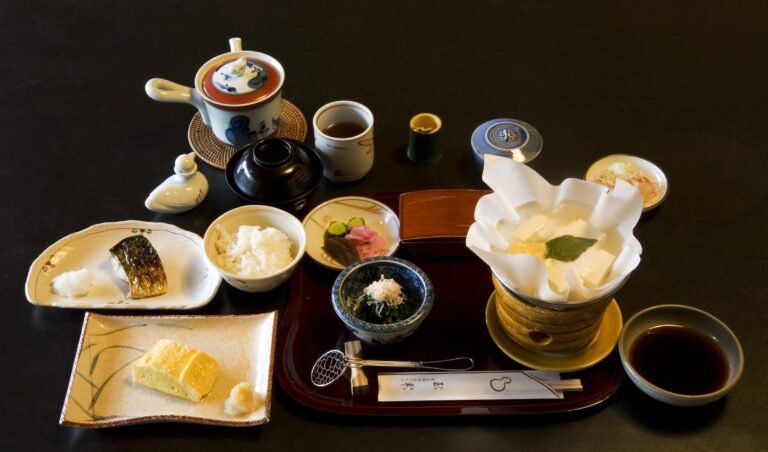
Traditional Japanese Breakfast: What Arrives on the Tray?

Steamed rice, miso soup, grilled fish and small side dishes form the basis of a traditional Japanese breakfast. The meal often follows the principle of ichiju-sansai, meaning one soup and three dishes, with ingredients varying by region and restaurant.

Cuisine|Japan

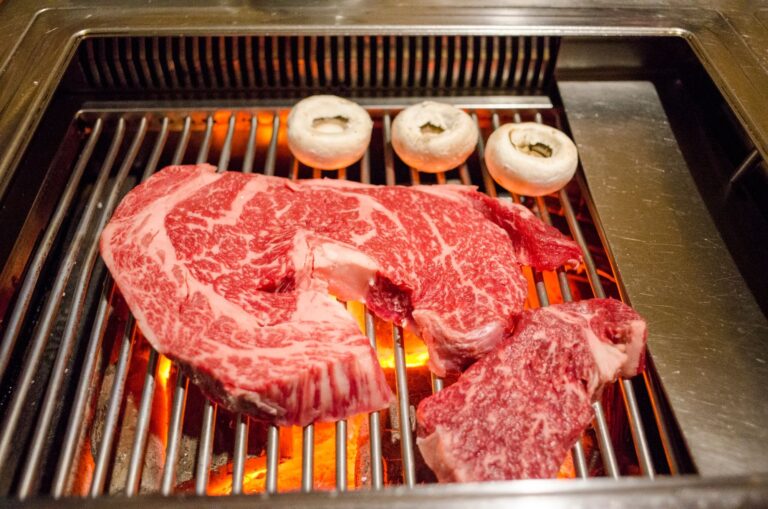
Wagyu Beef: What Does A5 Really Mean?

Wagyu refers to a group of Japanese cattle breeds, while A5 is the highest grade in Japan's beef grading system. The letter A indicates meat yield, and the number 5 represents a quality assessment based on four criteria, including marbling.

Cuisine|Japan

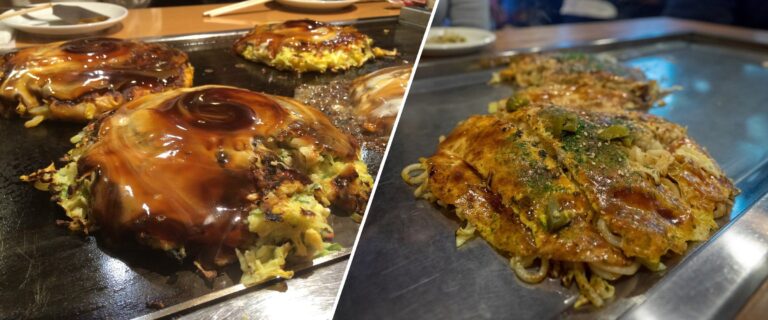
Osaka vs Hiroshima Okonomiyaki: What’s the Difference?

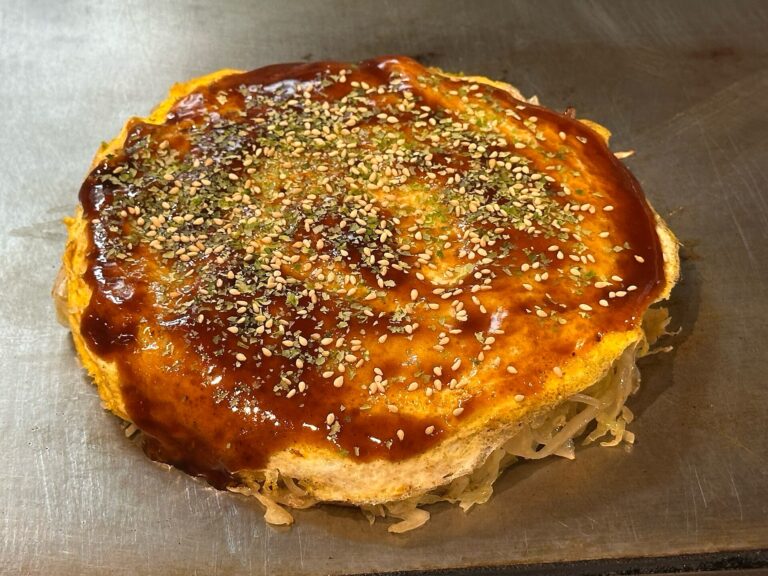
Okonomiyaki is a savoury Japanese pancake cooked on a hot iron griddle, with two well-known regional styles from Osaka and Hiroshima. In Osaka, cabbage and other ingredients are mixed into the batter before cooking. In Hiroshima, they are arranged in layers with noodles and egg.

Cuisine|Japan

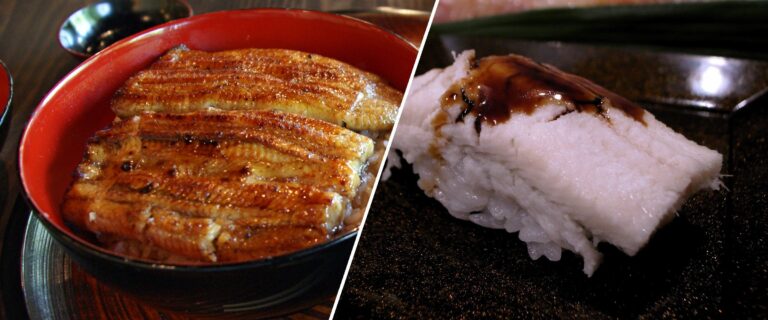
Unagi vs Anago: How to Tell Japan’s Two Eels Apart

Unagi is known for its rich grilled flavour and glossy sauce, while anago is often simmered until tender for sushi. These two Japanese eels differ in their habitats, flavours and traditional preparations.

Cuisine|Japan

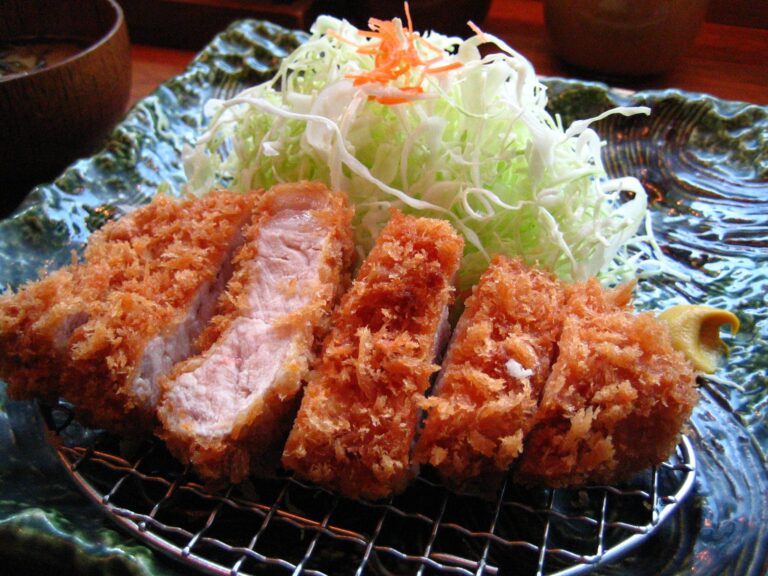
Tonkatsu: Japan’s Breaded Pork Cutlet and How to Eat It

Tonkatsu is a Japanese breaded pork cutlet, typically served with finely shredded cabbage, rice, miso soup and a distinctive sauce. Originating from Western-style cutlets, it has become a familiar part of Japanese cuisine.

Cuisine|Japan

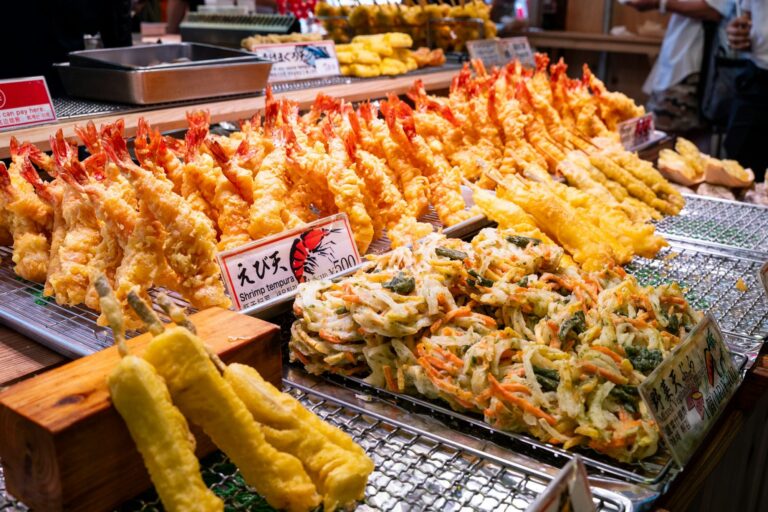
Tempura: Why the Batter Is So Light, and Where It Came From

Tempura is a Japanese dish of seafood and vegetables coated in batter and deep-fried, known for its thin, light and crisp coating. Influenced by Portuguese frying techniques, it gradually developed in Japan, from Nagasaki to the street stalls of Edo.

Hotels|Hakone, Japan

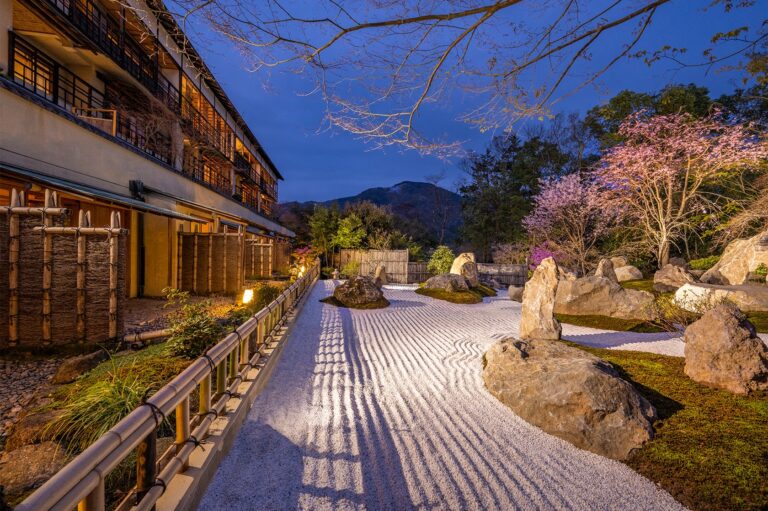
Gora Kadan, Hakone: A Ryokan with an Imperial Villa Past

On the former grounds of a villa belonging to the Kan'in-no-miya branch of Japan's imperial family, Gora Kadan brings together ryokan architecture, traditional welcoming rituals and onsen bathing.

Hotels|Tokyo, Japan

Bulgari Hotel Tokyo: Italian Design High Above Yaesu

Occupying floors 40 to 45 of Tokyo Midtown Yaesu, Bulgari Hotel Tokyo brings Italian design to the city's skyline, with interiors by ACPV Architects and views towards Tokyo Station and the Imperial Palace gardens.

Hotels|Tokyo, Japan

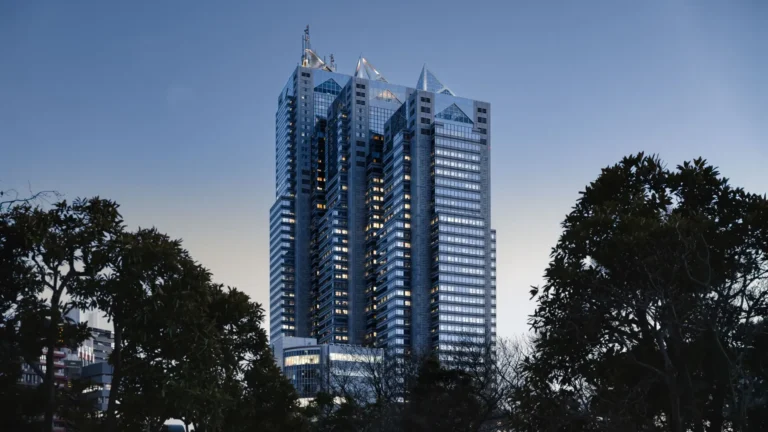
Park Hyatt Tokyo: The Art of Renewing an Icon

Following a 19-month renovation, Park Hyatt Tokyo reopened in December 2025. Studio Jouin Manku has refreshed the hotel's interiors while preserving the design elements that have defined the property since 1994.

Hotels|Tokyo, Japan

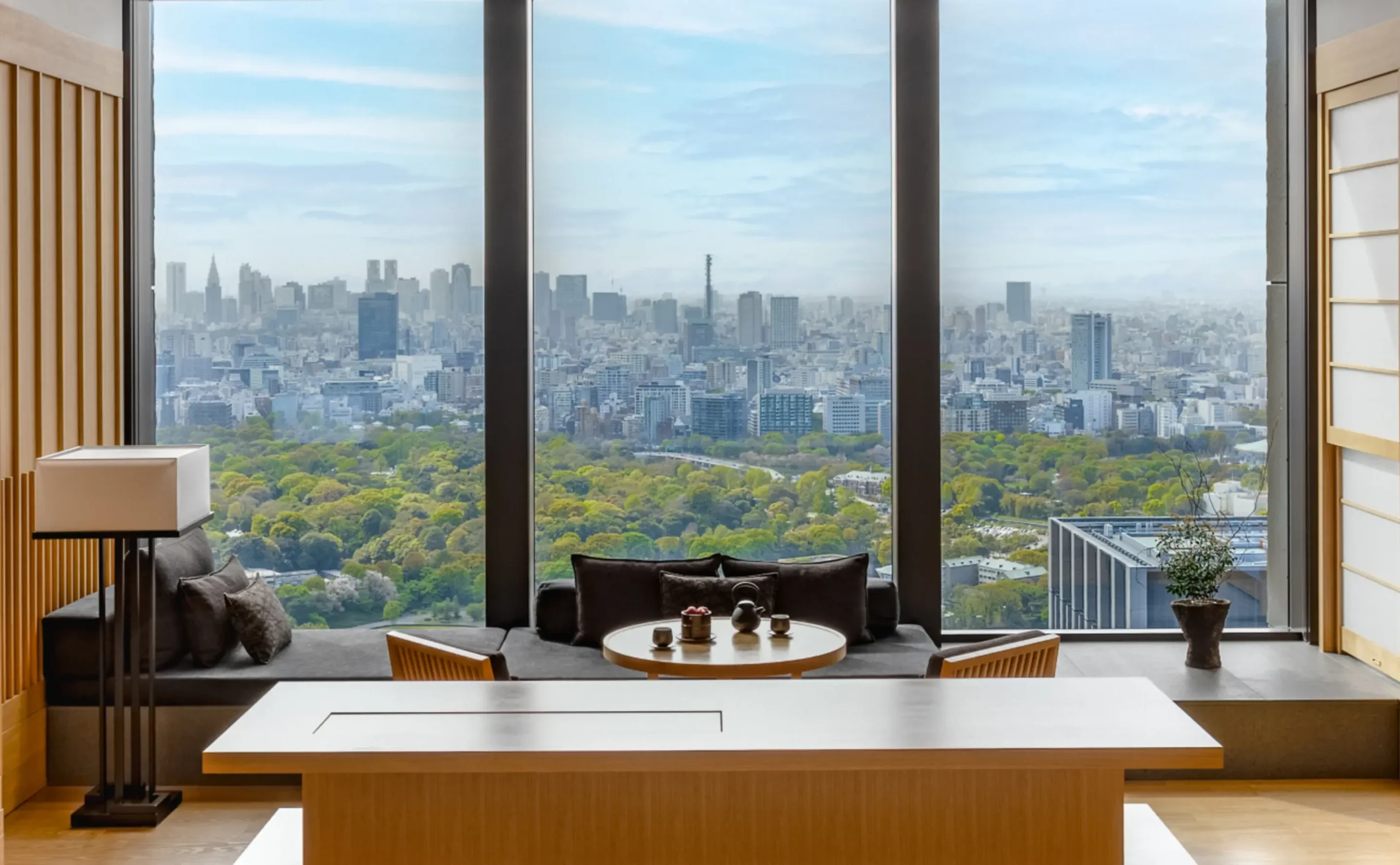
Aman Tokyo: A Lantern Above Otemachi

Occupying the highest floors of Otemachi Tower, Aman's first urban hotel brings the spirit of a traditional Japanese ryokan into Tokyo's financial district, in a hotel designed by Kerry Hill Architects.

Hotels|Kyoto, Japan

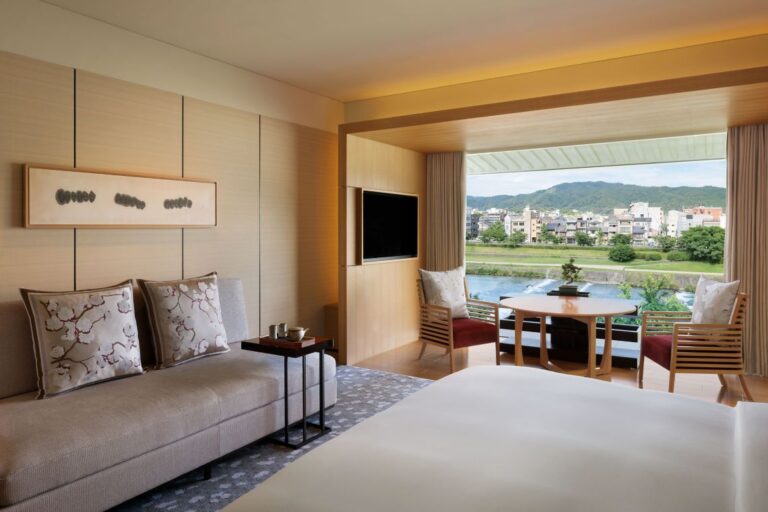
The Ritz-Carlton, Kyoto: An Aristocratic Past on the Kamogawa

A Kamogawa riverfront site with an aristocratic history, a building shaped by Kyoto's height restrictions, and interiors by Remedios Studio and Design Studio Spin.

Resorts|Kyoto, Japan

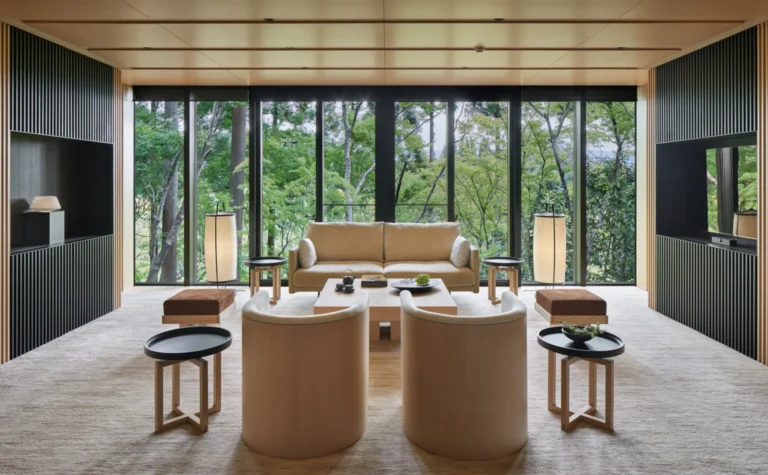
Aman Kyoto: A Collector’s Dream in a Secret Garden

In Takagamine, northern Kyoto, Aman Kyoto occupies a garden once intended for an obi collector's unrealised textile museum, with a ryokan-inspired retreat designed by Kerry Hill Architects.

Hotels|Kyoto, Japan

HOSHINOYA Kyoto: Arriving by Boat on the Oi River

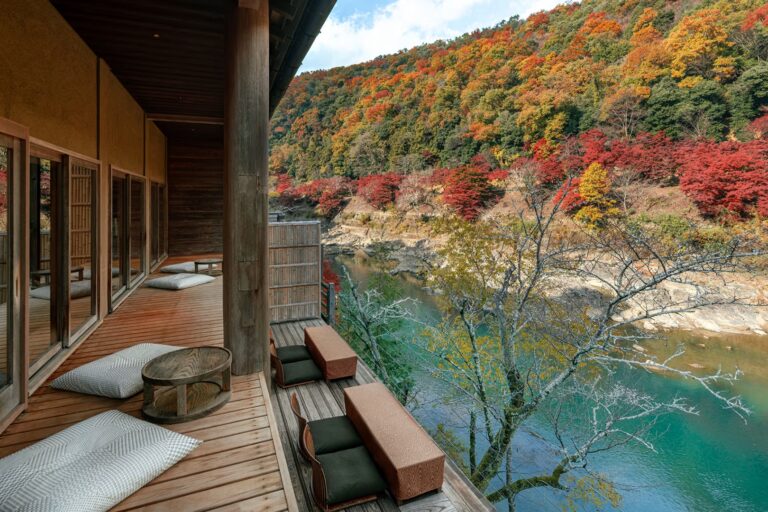
On the banks of the Oi River in Arashiyama, HOSHINOYA Kyoto welcomes guests by private boat to a contemporary ryokan created from a century-old Meiji-era inn.

Hotels|Kyoto, Japan

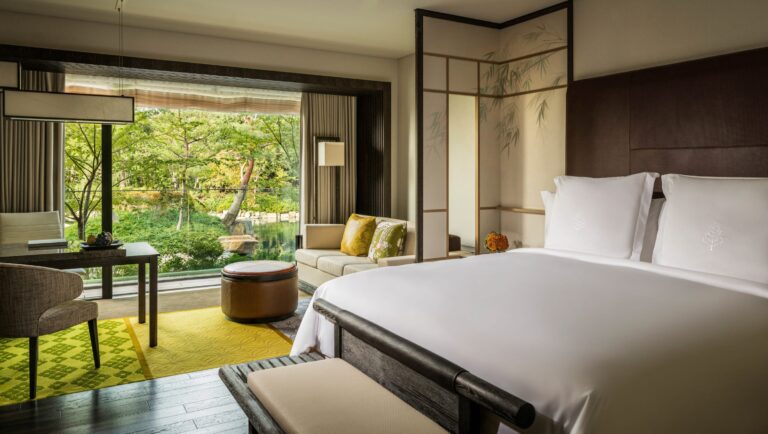
Four Seasons Hotel Kyoto: A Historic Garden at Its Heart

In Kyoto's Higashiyama district, Four Seasons Hotel Kyoto is built around Shakusui-en, a pond garden with a history of about 800 years, placing a historic landscape at the heart of its modern architecture.

Hotels|Tokyo, Japan

Conrad Tokyo: Art, Seasons and the Gardens of Hamarikyu

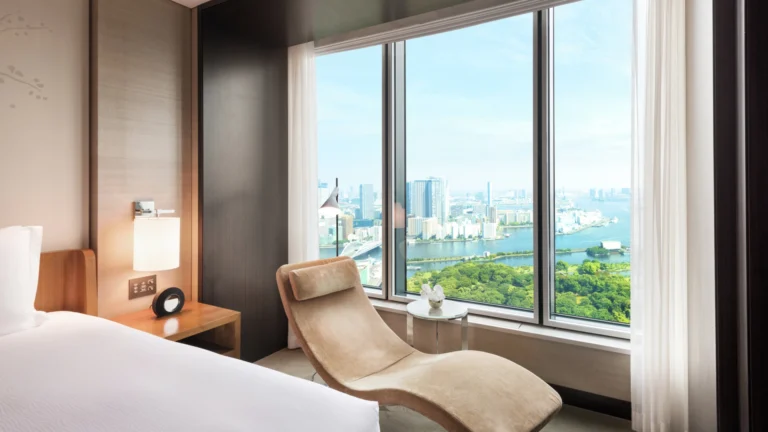
High above Shiodome, Conrad Tokyo brings together contemporary art exploring Japanese nature and the seasons, sumi-e-inspired design details and views towards Hamarikyu Gardens and Tokyo Bay.

Hotels|Tokyo, Japan

Fairmont Tokyo: Framing the City and the Bay

On the upper floors in Shibaura, Fairmont Tokyo faces Tokyo Tower to the west and Tokyo Bay to the east. BAR Studio brings weaving and kintsugi into the interiors, linking the two sides of the city.

Hotels|Tokyo, Japan

The Peninsula Tokyo: Facing the Imperial Palace

Facing Tokyo's Imperial Palace, The Peninsula Tokyo brings the brand's tradition of hospitality together with architecture inspired by Japan, interiors by Yukio Hashimoto and an extensive art collection.

Hotels|Osaka, Japan

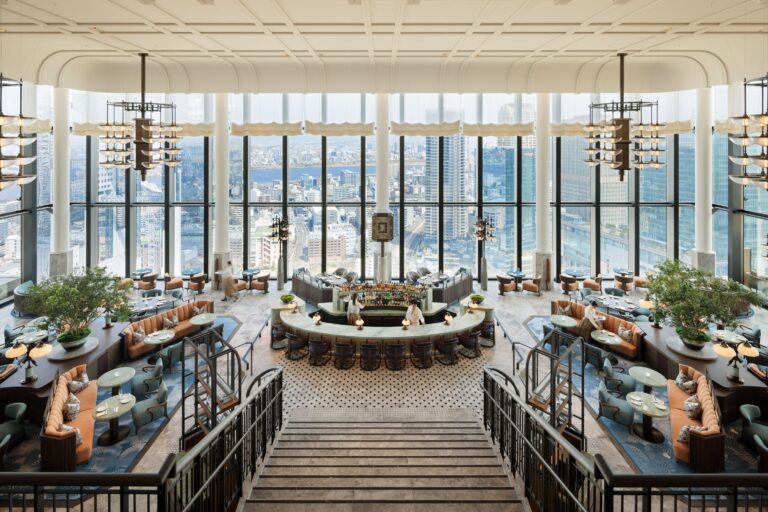
Waldorf Astoria Osaka: Art Deco Through Japanese Craft

Japan's first Waldorf Astoria opened in 2025, occupying the upper floors of a tower overlooking Umekita Park. André Fu brings the brand's Art Deco heritage into an interior design combining oak, bronze, washi paper and the Japanese craft of kumiko.
Hotels|Osaka, Japan

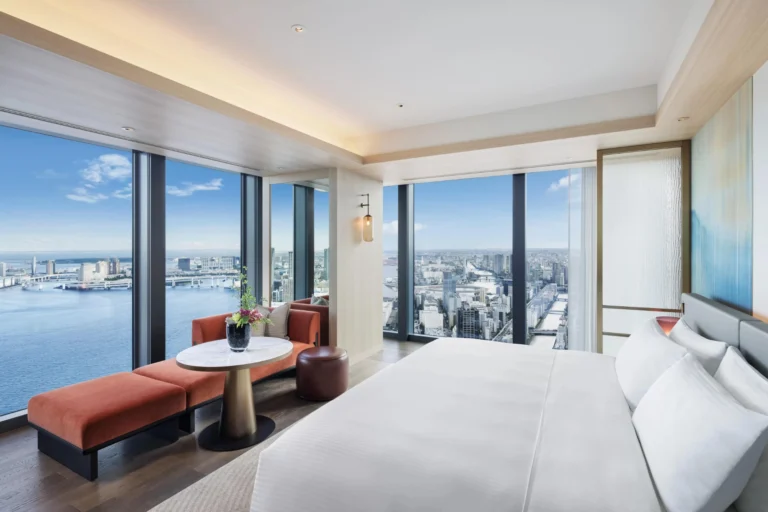
Four Seasons Hotel Osaka: The Spirit of the Ryokan on the 28th Floor

Occupying part of the 195-metre One Dojima tower, Four Seasons Hotel Osaka explores the city's waterways, architecture and local craftsmanship through seven design stories, from its arrival spaces to the ryokan-inspired GENSUI floor.

Hotels|Osaka, Japan

The St. Regis Osaka: From Momoyama Gold to Osaka’s Waterways

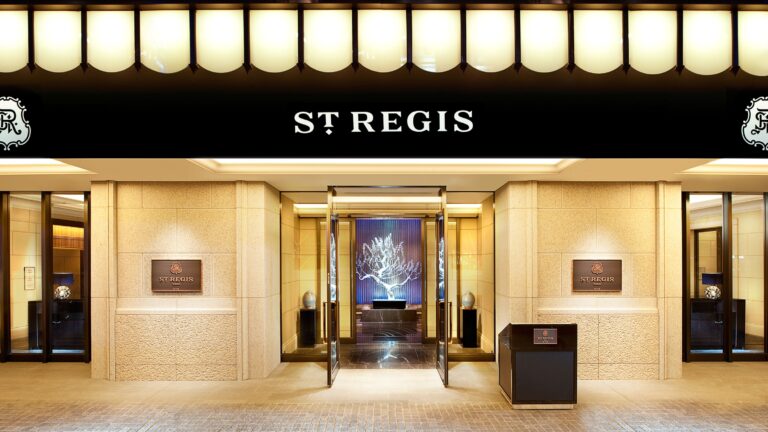
Opened in 2010 on Midosuji, The St. Regis Osaka draws on the artistic heritage of the Momoyama period in its interior design. A renovation programme completed in November 2026 introduced the imagery of Osaka's waterways throughout all 160 rooms and suites, continuing the Japanese cultural influences that have shaped the hotel since its opening.

Hotels|Kyoto, Japan

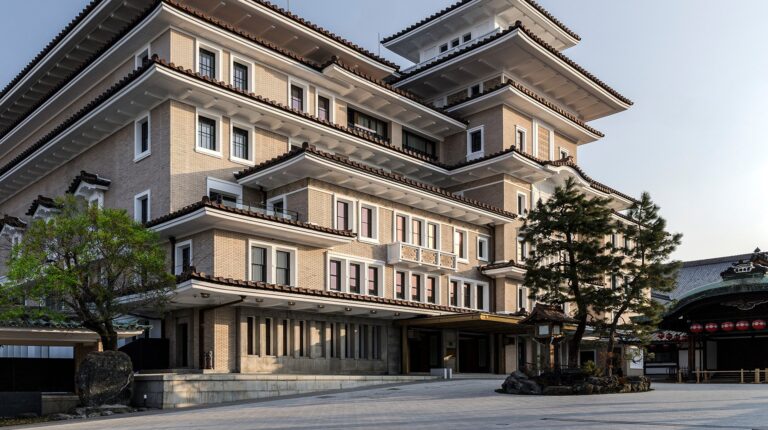
Park Hyatt Kyoto: When New Architecture Makes Room for Heritage

Among the tiled roofs and old gardens of Higashiyama, Park Hyatt Kyoto brings together Takenaka's architecture, Tony Chi's interiors and the heritage of Kyoyamato in a building designed to blend into Kyoto.
Hotels|Tokyo, Japan

HOSHINOYA Tokyo: A Ryokan Among Otemachi’s High-Rises

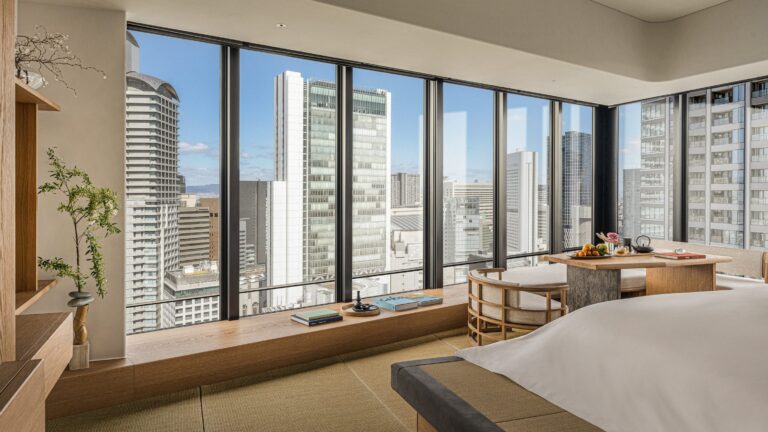
In Tokyo's financial district, HOSHINOYA brings the rhythms of a ryokan into a high-rise building, with tatami flooring throughout, a lounge on each guest floor and an onsen open to the sky.

Cuisine|Tokyo, Japan

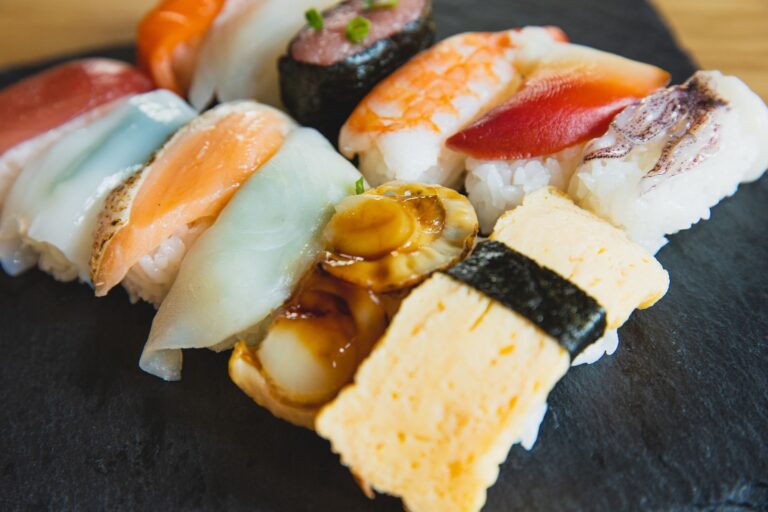
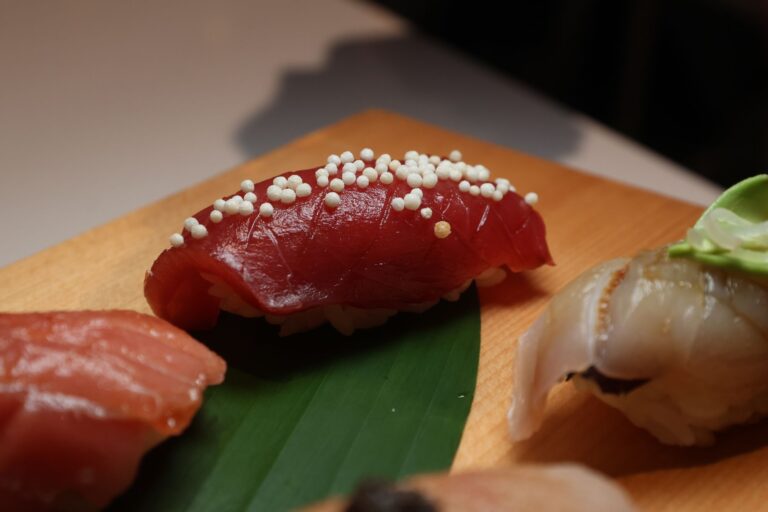
Edomae Sushi: The Work Behind the Fish

From seafood cured with salt, marinated in vinegar or gently cooked to carefully seasoned sushi rice, Edomae sushi draws its distinctive flavours from the preparation that comes before serving.

Cuisine|Kyoto, Japan

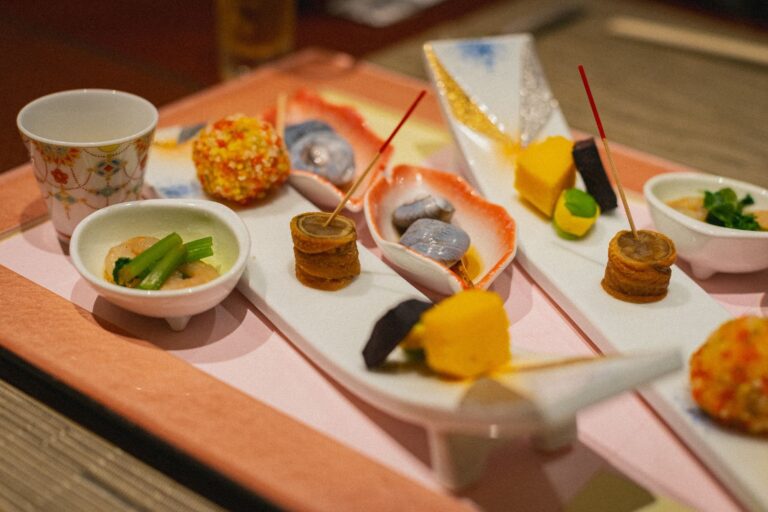
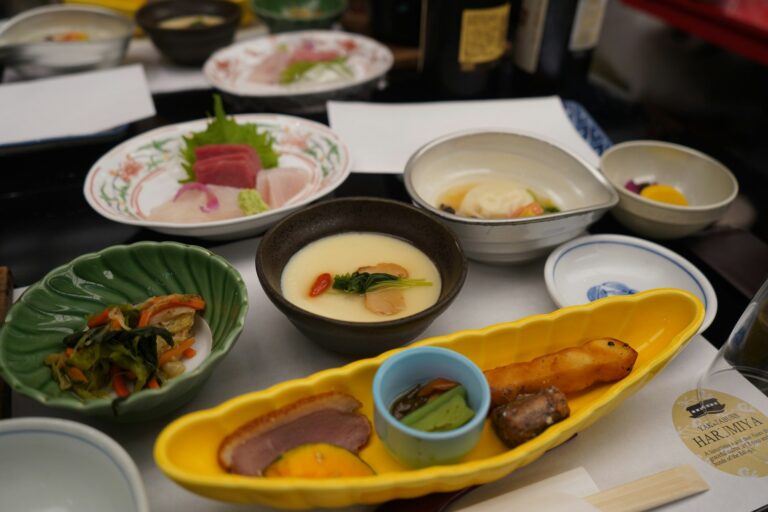
Kaiseki: When the Season Sets the Table

Seasonal ingredients, individually prepared dishes and a carefully paced succession of courses come together in Japan's kaiseki dining tradition.

Cuisine|Nagoya, Japan

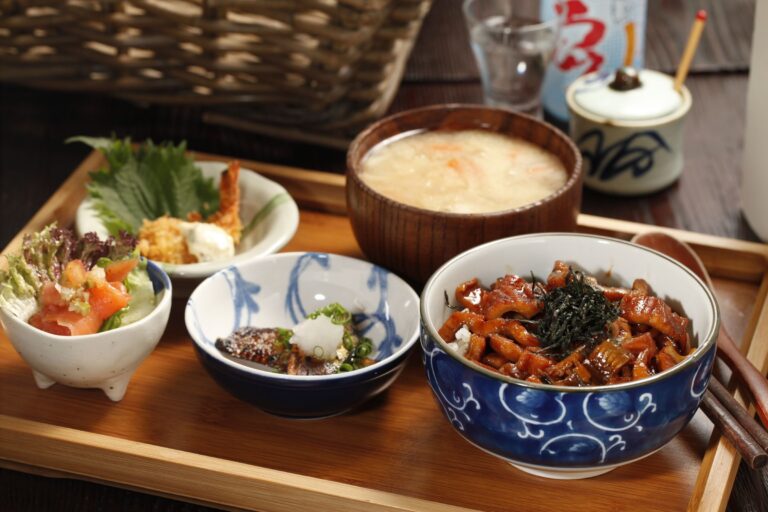
Hitsumabushi: Nagoya’s Eel Rice, a Change in Every Bowl

Grilled eel glazed with a sweet and savoury sauce, warm rice, fresh condiments and hot broth come together in hitsumabushi, Nagoya’s distinctive way of enjoying eel and rice.

Cuisine|Hiroshima, Japan

Hiroshima Okonomiyaki: Built in Layers

From cabbage and pork to noodles and eggs, Hiroshima-style okonomiyaki is cooked in layers on a hot griddle, then finished with a rich, savoury sauce.

Airlines

Japan Airlines: Japan Begins Before Landing

From its first transpacific flights to today's domestic network and onboard service, Japan Airlines brings something of its home country into the journey, through decisions both large and small.

Resorts

HOSHINOYA Asuka Opens Bookings for July 2027 Debut

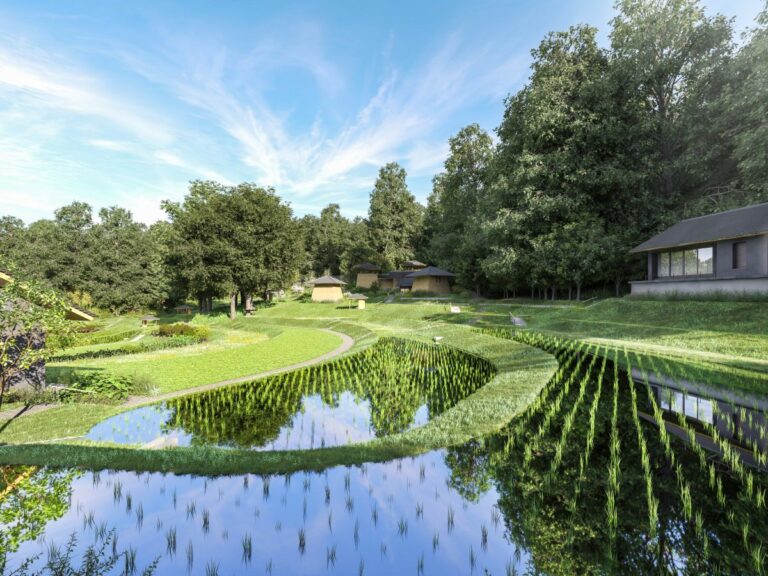
The 35-room property in Nara Prefecture will combine detached, single-storey accommodation with a garden inspired by Asuka’s rice terraces.